- Cognitive Behavioral Therapy
- Motivational Interviewing
- HIV and AIDS focus
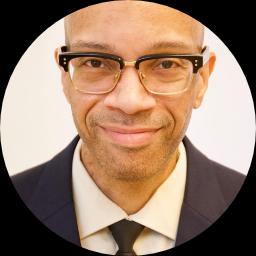
About Chris
Chris uses straightforward talk and goal-focused tools in session. He draws on Cognitive Behavioral Therapy to identify unhelpful thoughts and patterns, and Motivational Interviewing to support decisions about change. Sessions tend to be concrete and action oriented, with time spent on small skills people can try between meetings.
His approach is direct but respectful. He aims to listen first, then help clarify what is getting in the way and what might help next. When someone is struggling with substance use or strong feelings like anger, conversations focus on manageable steps rather than broad theory.
Chris also works with people affected by HIV and AIDS, addressing related stressors and health-related worries alongside other concerns. He helps people break problems into parts they can handle and track progress over time.
People who prefer a practical, clear approach often find this style useful. Chris asks clients to help set goals and to test changes between sessions. If you want a therapist who uses evidence-based tools and keeps work concrete, he may be a good match.
Areas of expertise
Primary focus
Additional focus areas
Therapeutic approaches
Experience
8+ years
Credentials
New York
Languages
English
License and NPI
- LCSW, New York
- No. 094439
- NPI
- 1649042904
As listed on the therapist's profile; we have not checked them. A license can be checked with the state board, and an NPI in the national registry.
How his approaches translate to online work
Chris uses Cognitive Behavioral Therapy to help people notice and change unhelpful thoughts and behaviors; this approach breaks problems into manageable steps and often includes exercises to try between meetings. He also uses Motivational Interviewing, which focuses on exploring a persons own reasons for change and building commitment through conversation rather than pressure.Finding the right method is part of care. He will work collaboratively to decide which approach fits best, checking goals and adjusting methods as progress is reviewed. Clients and the therapist set priorities together and pick practical tasks that match those goals.
Session formats are not specified in the biography, so confirm current session options before booking. Online work can make it easier to fit therapy into a busy life, such as shorter check-ins during a break or sessions that avoid travel time. It can also allow for flexible scheduling and steady follow-up between appointments, helping people maintain progress while balancing other commitments.
Frequently asked questions
What issues does he help with most often?
He commonly helps people with addictions, trauma and abuse, anger, low self-esteem, and depression.
What is his therapeutic style like?
Sessions are practical and goal-focused, using clear conversation and skill-building rather than abstract theory.
How much clinical experience does he have?
He has eight years of professional experience as a social worker in clinical settings.
What are his credentials and practice location?
He is an LCSW licensed in New York and practices from that state.
Which languages are sessions offered in?
Sessions are offered in English.
Can people outside the United States work with him?
He does not accept international clients at this time.
How are sessions scheduled and paid for?
Fees vary by location and sessions use a subscription that can be canceled at any time.
How do I begin working with him?
Select the See online therapy options button, complete the short matching questionnaire, and schedule a first session.