- Stress and anxiety
- Trauma and abuse
- Communication problems
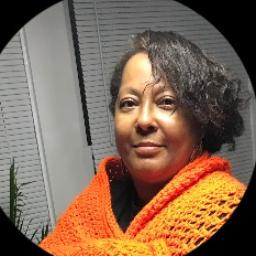
About Felicia
Her approach centers on practical, evidence-based techniques and clear conversation. Sessions focus on understanding what feels hardest now and breaking problems into manageable steps. She adapts how she talks and plans work to fit what each person needs and prefers.
Felicia has a decade-plus of clinical experience in community and outpatient settings. That background means she is familiar with everyday pressures like work stress and relationship friction. She draws on methods that help reduce symptoms and improve daily functioning.
In early meetings she prioritizes listening and clarifying goals. Together with the client she outlines treatment ideas and tracks progress. Sessions may include skill practice, problem-solving, and exploring how past experiences affect current feelings and reactions.
People who want a clear, practical approach to trauma, anxiety, or relationship strain will find a straightforward working style. She asks clients to take small steps between sessions and checks in on how those steps are going. To begin, follow the site's process for scheduling an initial session.
Areas of expertise
Primary focus
Additional focus areas
Experience
11+ years
Credentials
Illinois
Languages
English
License and NPI
- LCPC, Illinois
- No. 180.016407
- NPI
- 1912503731
As listed on the therapist's profile; we have not checked them. A license can be checked with the state board, and an NPI in the national registry.
How evidence-based approaches are used in online sessions
Felicia uses evidence-based therapeutic techniques that focus on practical change and symptom relief. Cognitive strategies help identify unhelpful thoughts and test new ways of thinking; these techniques are helpful for anxiety, depression, and social fears. Exposure-based steps or graded practice address avoidance and social anxiety by building tolerance through small, supported steps.Finding the right approach is a collaborative process. She and the client review goals, preferences, and reactions to treatment together and adjust methods as needed. The therapist treats selecting techniques as an ongoing conversation rather than a one-time decision.
Confirm the specific session formats before booking as the biography does not list formats explicitly. Online work can make it easier to fit appointments into a weekday or evening routine and reduce travel time. It can also allow shorter check-ins when schedules are tight or use of audio-only when video is difficult. These practical options help therapy fit into everyday life while the therapist and client focus on realistic steps and measurable progress.
Frequently asked questions
What kinds of concerns does she address?
She works with stress, anxiety, relationship and family issues, trauma and abuse, and depression. Additional focus areas include communication problems, post-traumatic stress, self-love, social anxiety, and workplace issues.
What is her therapeutic style?
She uses practical, evidence-based techniques and clear conversation. Sessions focus on steps clients can use between meetings to reduce symptoms and manage daily life.
How long has she been practicing?
She has 11 years of professional experience working in clinical settings. That experience includes helping people with trauma-related concerns and everyday stressors.
What are her credentials and location?
She is an Illinois LCPC. She practices in Illinois.
Which languages are supported?
Sessions are offered in English.
Can people outside the U.S. work with her?
She does not take international clients at this time.
How does payment and cost work?
Cost varies with location and sessions use a subscription that can be canceled at any time. Exact fees are provided during the sign-up process.
How do I begin a first session?
Click the See online therapy options button, complete a short matching questionnaire, and schedule a first session. That starts the intake and scheduling process.