- Client-Centered Therapy
- Cognitive Behavioral Therapy
- Trauma-Focused Therapy
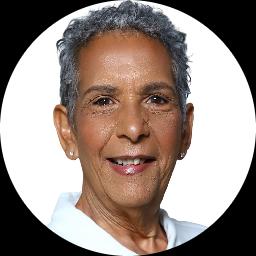
About Irenaida
Diaz focuses on practical, direct conversation about what is happening now and what the person wants to change. She uses client-centered methods to listen and prioritize the person's goals. Cognitive Behavioral Therapy is used to identify unhelpful thinking and try new behaviors that reduce distress.
Solution-Focused Therapy appears in her approach when people want concrete steps and short-term goals. Trauma-Focused Therapy informs her work with people who have been harmed or frightened, helping them process memories and reactions at a manageable pace.
Her background includes long-term work with substance use and process addictions, as well as eating and food-related issues. She also has experience with gender dysphoria, HIV/AIDS concerns, immigration-related stress, and multicultural issues that affect daily life.
Sessions include practical coping skills, clear goal-setting, and regular review of progress. People can expect a straightforward approach that emphasizes respect and sensitivity while working toward clearer choices and improved functioning.
Areas of expertise
Primary focus
Also works with
Additional focus areas
Therapeutic approaches
Experience
40+ years
Credentials
Florida
Languages
English, Spanish
License and NPI
- LCSW, Florida
- No. SW15288
- NPI
- 1821749300
As listed on the therapist's profile; we have not checked them. A license can be checked with the state board, and an NPI in the national registry.
Approaches used in remote sessions
Client-Centered Therapy focuses on listening and on the person's goals. The therapist follows the client's lead, clarifies priorities, and helps the person decide what to work on next. Cognitive Behavioral Therapy (CBT) looks at patterns of thinking and behavior. It involves practicing new responses and testing small changes to reduce distress and improve daily functioning.Choosing the right approach is part of the work together. The therapist will discuss goals, preferences, and how symptoms show up, then try methods that fit those needs. That decision is collaborative and can change over time as progress is reviewed.
The biography does not list specific session formats, so confirm the available options before booking. Online work can make scheduling easier and reduce travel time, and some formats can fit a short break at work or require less camera use. Therapists can use focused exercises, skill practice, and verbal processing in remote sessions to address trauma reactions, addictive behavior, eating concerns, and ADHD-related difficulties.
Frequently asked questions
What concerns does she work with most often?
She works with addictions, LGBTQ issues, trauma and abuse, eating problems, ADHD, and provides coaching for professional concerns.
What style of therapy does she use?
Her work combines Client-Centered Therapy with Cognitive Behavioral Therapy and Solution-Focused techniques, plus Trauma-Focused Therapy when relevant.
How much experience does she have?
She has 40 years of professional experience in social work and clinical practice.
What are her credentials and where is she based?
She is a Florida LCSW and practices from Florida.
Does she work in other languages or with international clients?
Sessions are offered in English and Spanish, and she accepts international clients.
What session formats are available?
The original biography does not list specific session formats; please confirm current session options before booking.
How are sessions paid for and what do they cost?
Cost varies with location; sessions use a subscription that can be canceled at any time.
How do I begin working with her?
Select the See online therapy options button, complete a short matching questionnaire, and schedule a first session.