
Somer Robb
LPCOklahoma · 10 yrs exp
Licensed Professional Counselor - Trauma and relationships
Stress, Anxiety · Relationship · Family · Trauma and abuse · +1 more
Read profileTherapist listings come from BetterHelp. If you sign up through our links, we will earn a commission at no extra cost to you.
Compare profiles of therapists who list codependency alongside trauma and abuse to find practitioners who match your needs. Browse profiles to compare approaches, credentials, languages, and listed location.
Oklahoma · 10 yrs exp
Licensed Professional Counselor - Trauma and relationships
Stress, Anxiety · Relationship · Family · Trauma and abuse · +1 more
Read profile
Alabama · 15 yrs exp
Alabama LPC - trauma and mood concerns
Stress, Anxiety · Addictions · Relationship · Family · +12 more
Read profile
Missouri · 27 yrs exp
Licensed Professional Counselor - Trauma and anxiety
Stress, Anxiety · Grief · Self esteem · Depression · +15 more
Read profile
Florida · 30 yrs exp
Dr. Douglass Lobo, LMHC - Trauma and family concerns
Stress, Anxiety · Family · Trauma and abuse · Parenting · +14 more
Read profile
California · 14 yrs exp
Licensed counselor - Trauma and relationships
Stress, Anxiety · Relationship · Family · Intimacy-related issues · +9 more
Read profile
Illinois · 7 yrs exp
Illinois LCPC - Trauma and relationship work
Stress, Anxiety · Relationship · Trauma and abuse · Self esteem · +1 more
Read profile
Ohio · 16 yrs exp
Ohio LISW - Trauma and abuse, grief support
Stress, Anxiety · Grief · Self esteem · Depression · +10 more
Read profile
Texas · 18 yrs exp
LPC in Texas - Trauma and addiction focus
Stress, Anxiety · Addictions · LGBT · Relationship · +14 more
Read profile
Nebraska · 25 yrs exp
Licensed Mental Health Practitioner - Trauma and family concerns
Addictions · Grief · Self esteem · Depression · +15 more
Read profile
North Carolina · 5 yrs exp
Licensed Clinical Social Worker - Trauma and addictions
Stress, Anxiety · Addictions · Trauma and abuse · Self esteem · +1 more
Read profile
Texas · 25 yrs exp
Licensed Professional Counselor - Relationships and Trauma
Relationship · Family · Grief · Coping with life changes · +12 more
Read profile
Mississippi · 20 yrs exp
MS LPC - Trauma and abuse, Anxiety and mood concerns
Stress, Anxiety · Addictions · Trauma and abuse · Anger · +14 more
Read profile
South Carolina · 8 yrs exp
Licensed Professional Counselor - Trauma and relationships
Stress, Anxiety · Relationship · Family · Coping with life changes · +11 more
Read profile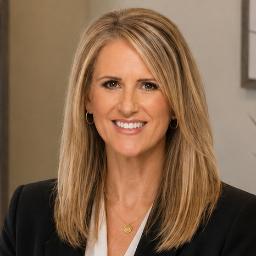
Texas · 13 yrs exp
Licensed Professional Counselor - Trauma and relationships
Stress, Anxiety · Relationship · Trauma and abuse · Depression · +1 more
Read profile
Colorado · 4 yrs exp
LPC - Relationships and Trauma
Relationship · Family · Trauma and abuse · Coping with life changes · +1 more
Read profile
California · 8 yrs exp
Licensed Clinical Social Worker - Trauma and abuse
Stress, Anxiety · Relationship · Self esteem · Career · +9 more
Read profile
Arizona · 13 yrs exp
LPC - Trauma and addiction focused
Stress, Anxiety · Addictions · Self esteem · Depression · +15 more
Read profile
Alabama · 14 yrs exp
LICSW - Family and trauma support
Family · Trauma and abuse · Intimacy-related issues · Parenting · +1 more
Read profile
Illinois · 30 yrs exp
Licensed Clinical Professional Counselor - Family and Trauma
Family · Trauma and abuse · Grief · Depression · +7 more
Read profile
Oklahoma · 37 yrs exp
Licensed counselor - Trauma and mood concerns
Stress, Anxiety · Anger · Self esteem · Depression · +14 more
Read profile
Colorado · 5 yrs exp
LCSW - Relationships and Trauma
Stress, Anxiety · Relationship · Family · Trauma and abuse · +10 more
Read profile
Texas · 8 yrs exp
Licensed Professional Counselor - Trauma and relationships
Stress, Anxiety · Relationship · Family · Self esteem · +10 more
Read profile
Texas · 4 yrs exp
Licensed Professional Counselor - Trauma and relationships
Self esteem · Stress, Anxiety · Relationship · Trauma and abuse · +2 more
Read profile
Iowa · 3 yrs exp
Iowa LISW - Trauma and relationship concerns
Stress, Anxiety · Relationship · Family · Trauma and abuse · +1 more
Read profileIf you are exploring codependency, you are likely trying to understand patterns that affect your relationships, boundaries, and sense of self. Codependency typically describes ways of relating that prioritize another person’s needs to the detriment of your own emotional or practical needs. You may find that patterns linked with codependency appear alongside experiences of trauma, abuse, or other distressing events, but a listing of both codependency and trauma or abuse in a profile does not establish a specific cause-and-effect relationship. Each person's history is different, and how codependency shows up for you may reflect family dynamics, past relationships, survival strategies, or the aftermath of stressful events.
When you read profiles, expect to see therapists who describe codependency as an area of focus and who may also list trauma and abuse among their specialties. Those mentions indicate that a clinician has chosen to highlight these concerns in their profile, which can be a helpful starting point for determining whether to reach out and learn more about their approach. Keep in mind that a listed focus is not evidence of a particular certification or a guarantee of a specific therapeutic outcome. Your experience will depend on the therapeutic relationship, the approaches the clinician uses with you, and the pace at which you and the clinician work together.
It can be tempting to assume a straightforward link between trauma or abuse and codependency, but the relationship is often complex and personal. For some people, patterns of caretaking, difficulty setting boundaries, or a tendency to minimize personal needs develop as adaptive responses in certain environments. For others, those patterns emerge as part of broader interpersonal or emotional difficulties that are not directly tied to a single event. When a profile lists both codependency and trauma or abuse, it indicates the clinician has an interest in working with people who experience both sets of concerns, but it does not confirm a uniform clinical approach or a shared definition between clinicians.
As you compare profiles, pay attention to how therapists describe their focus areas and the language they use to describe codependency and trauma-related work. Some clinicians may emphasize relational dynamics and boundary setting, while others may highlight coping skills for intense emotions that arise after distressing experiences. You will also encounter therapists who list specific approaches among their methods. For example, you may find clinicians who list EMDR among their approaches or who list trauma-focused CBT among their approaches. These listings indicate an approach the therapist uses with some clients and are not evidence of formal certification. Use these profile details to decide which clinicians to contact to ask more precise questions about how they would work with your particular set of concerns.
When you contact a therapist whose profile interests you, asking concrete questions helps you evaluate fit. You can ask how they typically conceptualize codependency and what kinds of interventions they find helpful for people with similar concerns. You might ask how they balance exploring relationship patterns with skills for emotion regulation, or how they approach boundary-setting work. If you are concerned about trauma or abuse, it is reasonable to ask whether they have experience working with people who describe similar histories and what strategies they commonly consider, remembering that a profile mention is not evidence of a particular credential.
It is also important to clarify professional standing. Ask about the therapist's degree and their current licensure or registration. Degrees such as PhD, PsyD, MD, MA, or MSW indicate academic preparation, but a degree alone does not establish current permission to practice. Licenses or registrations and the professional title they use are what indicate legal permission to provide mental health services in a given jurisdiction. You should ask whether the clinician is licensed to work with you in your listed location, and whether that license is in active standing. These are practical, relevant questions that you can verify independently if you wish.
If you are considering remote sessions, discuss practical details upfront. You can ask how the clinician handles session logistics, what platform they use, and how they manage recordkeeping and who has access to notes. Because terminology about technology and data protection varies, you can ask specifically how your information will be stored and what measures are in place to control access. It is also reasonable to ask how they handle scheduling across different time zones and whether they are authorized to provide care to your listed location. Authorization to practice in a particular state or jurisdiction is separate from academic degrees and should be confirmed before you proceed.
Before beginning work, make sure you and the clinician agree on how to handle moments of crisis or increased risk between appointments. Therapists cannot replace emergency services, so ask what resources they recommend and what steps you should take if you are in immediate danger. If you are in immediate danger, call 911. If you are experiencing suicidal thoughts or severe emotional distress, you can call or text 988 for crisis support in the United States. These numbers are available to help you access immediate assistance. You should also consider establishing a personal plan for reaching out to trusted contacts when you need support between sessions.
When you browse profiles on this page, look for the details that matter most to you. Focus areas describe the kinds of concerns a clinician highlights, so a profile that lists codependency and trauma may indicate a clinician who works with relational patterns that emerge after distressing events. Contrast that with profiles that emphasize family dynamics, grief, or substance-related concerns if those are relevant to your situation. Language offerings are important if you prefer sessions in a language other than English; a profile that lists multiple languages can help you find clinicians who communicate in the language you are most comfortable using.
Credentials tell you about educational background and professional authorization. A description of degrees such as PhD or PsyD indicates doctoral-level academic training. An MD indicates a medical degree. Degrees provide context about training, but you should look for license titles or registration information in the profile and verify that the license is valid for your listed location. Finally, consider therapeutic style and the ways clinicians describe working with clients. Some profiles will emphasize a collaborative, exploratory approach focused on relationships and boundaries. Others may highlight practical strategies for managing intense emotions or restructuring patterns in day-to-day life. Use the language in profiles to form questions you can ask directly, such as how a therapist typically helps someone build boundaries or what they recommend when patterns of caretaking feel overwhelming.
Choosing a therapist is a personal decision. Profiles can help you narrow options and prepare thoughtful questions, but nothing replaces an initial conversation with a clinician to determine whether their approach and professional standing match your needs. If you are unsure where to begin, consider focusing on profiles that describe experience with the combination of concerns you want to address and reach out to ask the specific questions that matter to you.
Alabama
64 therapists
Alaska
10 therapists
Arizona
57 therapists
Arkansas
26 therapists
California
352 therapists
Colorado
102 therapists
Connecticut
42 therapists
Delaware
13 therapists
District of Columbia
11 therapists
Florida
421 therapists
Georgia
132 therapists
Hawaii
14 therapists
Idaho
23 therapists
Illinois
158 therapists
Indiana
55 therapists
Iowa
12 therapists
Kansas
25 therapists
Kentucky
56 therapists
Louisiana
77 therapists
Maine
23 therapists
Maryland
70 therapists
Massachusetts
60 therapists
Michigan
130 therapists
Minnesota
48 therapists
Mississippi
42 therapists
Missouri
94 therapists
Montana
23 therapists
Nebraska
16 therapists
Nevada
28 therapists
New Hampshire
13 therapists
New Jersey
82 therapists
New Mexico
29 therapists
New York
218 therapists
North Carolina
159 therapists
North Dakota
5 therapists
Ohio
109 therapists
Oklahoma
73 therapists
Oregon
30 therapists
Pennsylvania
140 therapists
Rhode Island
8 therapists
South Carolina
78 therapists
South Dakota
10 therapists
Tennessee
76 therapists
Texas
441 therapists
Utah
26 therapists
Vermont
10 therapists
Virginia
83 therapists
Washington
58 therapists
West Virginia
8 therapists
Wisconsin
69 therapists
Wyoming
4 therapists
This directory is not a crisis line or an emergency service. These lines are free and open day and night.