- Attachment-Based Therapy
- Cognitive Behavioral Therapy
- Narrative Therapy
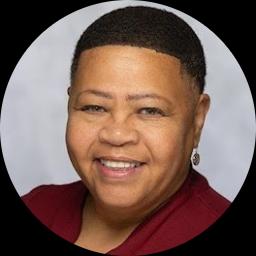
About Jean
Her approach is straightforward and conversational. Sessions focus on talking through current problems, identifying patterns, and trying practical steps that can change day-to-day life. She uses methods drawn from attachment work, cognitive behavioral ideas, narrative and psychodynamic perspectives, and solution-focused techniques.
Jean aims to make sessions a place to sort through difficult feelings and confusing situations. She listens for repeated patterns in relationships and for ways shame, guilt, or past hurt show up now. Then she helps people test small changes and notice different results.
She has worked with issues that include abandonment, adoption and foster care concerns, domestic violence effects, forgiveness, and the impact of prejudice and discrimination. She also addresses workplace stress, finding life purpose, self-love, and concerns common to young adults and veterans.
Her style balances exploring early relationship patterns with practical steps for coping in the present. People who prefer a mix of talking about history and trying concrete tools may find this approach useful. To begin, the site questionnaire helps match goals and schedule a first session.
Areas of expertise
Primary focus
Additional focus areas
Therapeutic approaches
Experience
30+ years
Credentials
Arkansas, Missouri
Languages
English
License and NPI
- LCSW, Arkansas
- No. 1305-C
- LCSW, Missouri
- No. 2024016771
- NPI
- 1326234352
As listed on the therapist's profile; we have not checked them. A license can be checked with the state board, and an NPI in the national registry.
Therapeutic approaches and remote sessions
Attachment-Based Therapy looks at how early relationships affect current connections. It helps people who notice repeated patterns in close relationships or who find trust and emotional closeness difficult. Cognitive Behavioral Therapy, or CBT, focuses on clear links between thoughts, feelings, and actions and uses practical steps to change unhelpful patterns; it is often used for depression, anxiety, and low self-esteem.Choosing the right approach is part of the work. The therapist will collaborate with each person to identify goals, try an approach, and adjust based on what helps. That means starting with a conversation about needs and preferences, then testing methods and shifting as needed.
Confirm the current session formats before booking, as the biography does not list specific delivery methods. Online work can make it easier to fit sessions into a busy life and to keep appointments when travel or scheduling is difficult. It can also allow shorter check-ins, or sessions that do not require video when that suits someone's needs. Ask about the available formats when you complete the matching questionnaire so sessions match your routine.
Frequently asked questions
What concerns does she most often address?
She works with relationship issues, trauma and abuse, self-esteem, career matters, and depression, along with related topics such as abandonment and workplace stress.
How would you describe her therapy style?
Her style mixes talking about past relationship patterns with practical steps to change current behavior and feelings.
How much clinical experience does she have?
She has 30 years of professional experience as a clinician.
What are her credentials and where is she based?
She is a Licensed Clinical Social Worker (LCSW) with licenses in Arkansas and Missouri, and she practices from Missouri.
Can sessions be held in languages other than English?
Sessions are offered in English.
Does she see clients outside the United States?
She accepts international clients; confirm any cross-border details before booking.
How are sessions paid for and what does it cost?
Cost varies with location and sessions use a subscription that can be canceled at any time.
How do I start working with her?
Select the See online therapy options button, complete the short matching questionnaire, and schedule a first session.