
Deborah Whalen
LCSW-R, LCSWNew Mexico · 25 yrs exp
Licensed Clinical Social Worker - Trauma and family concerns
Family · Trauma and abuse · Intimacy-related issues · Eating · +1 more
Read profileTherapist listings come from BetterHelp. If you sign up through our links, we will earn a commission at no extra cost to you.
This page groups profiles of therapists who list trauma and abuse and who also note isolation / loneliness as a focus. You can compare approaches, credentials, languages, and listed location to find profiles that match your needs.
Browse the profiles below to learn more about each clinician’s focus areas and professional background before reaching out.
New Mexico · 25 yrs exp
Licensed Clinical Social Worker - Trauma and family concerns
Family · Trauma and abuse · Intimacy-related issues · Eating · +1 more
Read profile
Texas · 3 yrs exp
LCSW - Trauma and relationship support
Stress, Anxiety · Relationship · Family · Trauma and abuse · +1 more
Read profile
Georgia · 3 yrs exp
Licensed Professional Counselor - Anxiety and Maternal Mental Health
Stress, Anxiety · Anger · Self esteem · Depression · +10 more
Read profile
Texas · 3 yrs exp
Licensed Professional Counselor - Trauma and relationships
Stress, Anxiety · Relationship · Trauma and abuse · Self esteem · +1 more
Read profile
Missouri · 27 yrs exp
Licensed Professional Counselor - Trauma and anxiety
Stress, Anxiety · Grief · Self esteem · Depression · +15 more
Read profile
Florida · 3 yrs exp
LCSW - Trauma and relationship support
Stress, Anxiety · Relationship · Trauma and abuse · Self esteem · +1 more
Read profile
Florida · 30 yrs exp
Dr. Douglass Lobo, LMHC - Trauma and family concerns
Stress, Anxiety · Family · Trauma and abuse · Parenting · +14 more
Read profile
California · 14 yrs exp
Licensed counselor - Trauma and relationships
Stress, Anxiety · Relationship · Family · Intimacy-related issues · +9 more
Read profile
Illinois · 7 yrs exp
Illinois LCPC - Trauma and relationship work
Stress, Anxiety · Relationship · Trauma and abuse · Self esteem · +1 more
Read profile
Ohio · 16 yrs exp
Ohio LISW - Trauma and abuse, grief support
Stress, Anxiety · Grief · Self esteem · Depression · +10 more
Read profile
Michigan · 11 yrs exp
LMSW - Trauma and family concerns
Stress, Anxiety · Family · Trauma and abuse · Depression · +1 more
Read profile
North Carolina · 16 yrs exp
Licensed Clinical Social Worker - Trauma and Addictions
Stress, Anxiety · Addictions · Trauma and abuse · Anger · +13 more
Read profile
Texas · 18 yrs exp
LPC in Texas - Trauma and addiction focus
Stress, Anxiety · Addictions · LGBT · Relationship · +14 more
Read profile
New Jersey · 5 yrs exp
Licensed Professional Counselor - Trauma and relationship concerns
Stress, Anxiety · Relationship · Family · Anger · +12 more
Read profile
California · 8 yrs exp
Licensed Marriage and Family Therapist - Relationships and Trauma
Relationship · Trauma and abuse · Self esteem · Depression · +1 more
Read profile
Nebraska · 25 yrs exp
Licensed Mental Health Practitioner - Trauma and family concerns
Addictions · Grief · Self esteem · Depression · +15 more
Read profile
Louisiana · 30 yrs exp
LCSW - Trauma and mood concerns
Family · Grief · Anger · Self esteem · +11 more
Read profile
New York · 4 yrs exp
Licensed Mental Health Counselor - Trauma and Anxiety
Stress, Anxiety · Trauma and abuse · Self esteem · Career · +1 more
Read profile
South Dakota · 12 yrs exp
Clinical social worker - Trauma and addictions
Addictions · Trauma and abuse · Anger · Depression · +8 more
Read profile
Texas · 25 yrs exp
Licensed Professional Counselor - Relationships and Trauma
Relationship · Family · Grief · Coping with life changes · +12 more
Read profile
Oklahoma · 6 yrs exp
Licensed Professional Counselor - Trauma and anxiety
Stress, Anxiety · Trauma and abuse · Anger · Depression · +1 more
Read profile
Mississippi · 20 yrs exp
MS LPC - Trauma and abuse, Anxiety and mood concerns
Stress, Anxiety · Addictions · Trauma and abuse · Anger · +14 more
Read profile
South Carolina · 8 yrs exp
Licensed Professional Counselor - Trauma and relationships
Stress, Anxiety · Relationship · Family · Coping with life changes · +11 more
Read profile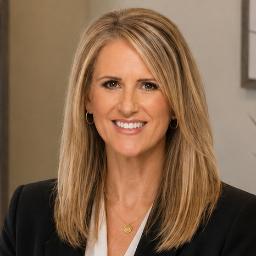
Texas · 13 yrs exp
Licensed Professional Counselor - Trauma and relationships
Stress, Anxiety · Relationship · Trauma and abuse · Depression · +1 more
Read profileIf you are feeling isolated or lonely after experiences of trauma, abuse, violence, an accident, or other stressful events, those feelings are a common human response. You may notice withdrawal from people or activities you once enjoyed, difficulty trusting others, or a sense that others do not understand what you went through. Those reactions can feel overwhelming and may affect your mood, sleep, concentration, or energy. You do not have to carry that experience without help, and you are allowed to go at your own pace as you explore support options.
If you are thinking about immediate help for an emergency, call 988; 911 if you are in danger. Crisis lines can connect you with someone right away. Outside of urgent situations, you may find it useful to look for therapists whose profiles mention trauma and abuse together with isolation or loneliness so you can start conversations about how they approach these concerns.
Isolation and loneliness do not always stem from a single cause, and they do not automatically indicate a diagnosis. For some people, experiences such as abuse, violence, or a life-changing accident create barriers to connection - feeling misunderstood, ashamed, or hypervigilant can make it harder to reach out. Other times, life transitions like moving, caregiving stress, or loss contribute to a growing distance from others. On this directory, profiles that list trauma and abuse alongside isolation or loneliness are offered so you can explore clinicians who identify those intersections when describing their work.
When you review profiles, pay attention to how clinicians describe the kinds of events and aftermaths they focus on. Some profiles will note work with survivors of interpersonal violence or single-incident trauma, while others may emphasize chronic stress or cumulative adversity. None of those profile statements is evidence of a particular credential or outcome. Use them to find profiles that reflect your concerns and to prepare questions about how a clinician would support you, respecting your timing and sense of safety.
When you find profiles that seem relevant, prepare specific questions that help you compare clinicians. Ask whether the therapist has experience working with people whose histories or circumstances parallel yours and what they typically focus on in early sessions. You can ask how they describe the pace of therapy, whether they emphasize skill-building, emotional processing, or practical problem-solving, and whether they incorporate body-focused approaches or mindfulness-based practices as options to discuss. If you see names of methods listed in a profile, such as EMDR, you might say "I noticed you list EMDR among your approaches - can you explain how you use it and with whom you typically use it?" Remember that a listed approach does not prove training or certification, so use such questions to clarify how those methods might be offered.
Clarify practical items that shape fit. Ask which populations the clinician works with, since a listed topic does not establish that they treat children, couples, or families. Ask about languages spoken and about cultural or community experience if that is important to you. Ask the clinician to describe their therapeutic style in everyday terms - for example, whether they tend to be more directive, collaborative, or exploratory - so you know whether their approach aligns with how you like to work.
If you are considering remote or online sessions, discuss logistics and professional permissions up front. Ask whether the clinician is authorized to practice in your listed location, and whether their license and registration allow them to offer telehealth where you live. Distinguish between academic degrees and professional permission to practice: degrees such as PhD, PsyD, MD, MA, or MSW indicate educational background, while licenses or registrations indicate current legal permission to provide care. Ask for the clinician’s license type and the state or jurisdiction where they are authorized, and verify that information directly with the licensing board if you want confirmation.
Also discuss how your information is protected and what to expect about records, communication channels, session length, cancellation policies, and any intake paperwork. It is reasonable to ask how the clinician responds if you become distressed between sessions and what local resources they recommend in a crisis. If you are ever in immediate danger, call 911; for suicidal crises or urgent emotional distress, call 988. Those resources are available even if you are not already connected with a therapist.
As you move through profiles on this page, compare several dimensions that matter to your comfort and goals. Focus areas tell you what clinicians emphasize in their work and may include trauma and abuse paired with isolation or loneliness. Approaches listed in a profile, such as cognitive or somatic approaches, should be taken as options to explore rather than proof of expertise. Look at languages spoken to ensure you can communicate in the language you prefer, and read descriptions for clues about cultural competence or community experience that matter to you.
Examine academic degrees carefully and treat them as different from licensure. A PhD or PsyD indicates professional doctoral education in psychology, an MD indicates medical training, and an MA or MSW indicates graduate-level study in counseling or social work. Licenses such as LCSW, LMFT, LPC, LPCC, or similar notations are the indicators you should verify to confirm a clinician’s legal permission to practice in the state or jurisdiction listed in their profile. If a profile lists a listed location, use that to guide your verification steps and to ask whether the clinician can work with you from that site.
Finally, consider therapeutic style and messaging on the profile. Some clinicians describe a more structured, skills-based work pattern while others emphasize exploration and meaning-making. Think about whether you prefer a clinician who offers clear steps and tools, or someone who focuses more on processing and relationship-building. Use the profiles to assemble a short list of clinicians whose descriptions resonate, prepare the concrete questions suggested above, and reach out to begin a conversation at your own pace.
Use the profiles below to compare clinicians who list both trauma and abuse and isolation or loneliness as areas of focus. Confirm credentials and permission to practice in your location, ask targeted questions about approach and experience, and remember that you can set the pace for any next step. If you are in crisis call 988; call 911 if you are in immediate danger.
Alabama
64 therapists
Alaska
10 therapists
Arizona
57 therapists
Arkansas
26 therapists
California
352 therapists
Colorado
102 therapists
Connecticut
42 therapists
Delaware
13 therapists
District of Columbia
11 therapists
Florida
421 therapists
Georgia
132 therapists
Hawaii
14 therapists
Idaho
23 therapists
Illinois
158 therapists
Indiana
55 therapists
Iowa
12 therapists
Kansas
25 therapists
Kentucky
56 therapists
Louisiana
77 therapists
Maine
23 therapists
Maryland
70 therapists
Massachusetts
60 therapists
Michigan
130 therapists
Minnesota
48 therapists
Mississippi
42 therapists
Missouri
94 therapists
Montana
23 therapists
Nebraska
16 therapists
Nevada
28 therapists
New Hampshire
13 therapists
New Jersey
82 therapists
New Mexico
29 therapists
New York
218 therapists
North Carolina
159 therapists
North Dakota
5 therapists
Ohio
109 therapists
Oklahoma
73 therapists
Oregon
30 therapists
Pennsylvania
140 therapists
Rhode Island
8 therapists
South Carolina
78 therapists
South Dakota
10 therapists
Tennessee
76 therapists
Texas
441 therapists
Utah
26 therapists
Vermont
10 therapists
Virginia
83 therapists
Washington
58 therapists
West Virginia
8 therapists
Wisconsin
69 therapists
Wyoming
4 therapists
This directory is not a crisis line or an emergency service. These lines are free and open day and night.