- Cognitive Behavioral Therapy
- Solution-Focused Therapy
- Mindfulness Therapy
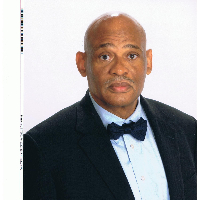
About Michael
Dr. Mitchell uses cognitive behavioral techniques alongside brief solution-focused and humanistic methods to help people make practical changes. Sessions often focus on breaking patterns that get in the way of daily functioning. He also addresses communication problems, codependency, anger, and intimacy-related issues.
He supports people dealing with grief, career and workplace stress, and challenges related to caregiving or blended family situations. Treatment can include exercises to build everyday skills for managing work, school, or home responsibilities. He also works with process addictions and substance issues when they affect functioning.
Dr. Mitchell blends approaches such as existential ideas and mindfulness where they fit the client’s needs. He aims to keep sessions interactive and focused on concrete steps toward improvement. He invites clients to say a few sentences about their main concerns when they first make contact so he can propose an initial direction.
People who want to address post-traumatic stress, coping after disasters, multicultural concerns, or HIV/AIDS related stress can bring those issues into sessions. He encourages collaboration on goals and practical strategies that help people move forward in daily life.
Areas of expertise
Primary focus
Also works with
Additional focus areas
Therapeutic approaches
Experience
3+ years
Credentials
Georgia
Languages
English
License and NPI
- LMFT, Georgia
- No. MFT000712
- NPI
- 1891852059
As listed on the therapist's profile; we have not checked them. A license can be checked with the state board, and an NPI in the national registry.
How his approaches translate to online work
Dr. Mitchell commonly combines Cognitive Behavioral Therapy and Solution-Focused Therapy in sessions. CBT focuses on identifying and changing unhelpful thinking and behavior patterns to reduce symptoms like anxiety or depression. Solution-Focused Therapy concentrates on small, achievable changes and practical steps that move a person toward their goals.He also draws on Mindfulness Therapy to help people notice their reactions and learn brief practices for calming and focus. These approaches suit concerns such as stress, addictions, and relationship difficulties because they emphasize concrete skills and short-term change.
Finding the right approach is part of the work together. The therapist will review your goals and preferences and recommend techniques that fit what you want to address. This is a collaborative process and plans can change as needs shift.
Session formats were not specified in the biography, so confirm current options before booking. In general, online sessions can make it easier to fit therapy into a busy schedule, allow shorter check-ins when needed, and reduce time spent traveling. Therapists can use structured exercises, thought records, and mindfulness practices in remote sessions to support progress.
Frequently asked questions
What kinds of problems does he help with most often?
He works with stress, anxiety, addictions, relationship and intimacy problems, depression, parenting and trauma and abuse.
What is his general therapy style?
He uses cognitive behavioral techniques and brief solution-focused methods with a humanistic approach to keep sessions interactive and action oriented.
How much clinical experience does he have?
He has three years of clinical experience as an LMFT working with a range of concerns including grief, substance issues and workplace stress.
Where is he licensed and practicing?
He is an LMFT licensed in Georgia.
Which languages does he offer therapy in?
Sessions are offered in English and international clients are accepted.
What session formats are available?
The original biography does not specify formats; confirm current session options before booking.
How are fees handled?
Cost varies with location and sessions use a subscription model that can be canceled at any time.
How do I begin working with him?
Select the See online therapy options button, complete a short matching questionnaire, and schedule a first session.