- CBT methods
- DBT skills
- Trauma focus
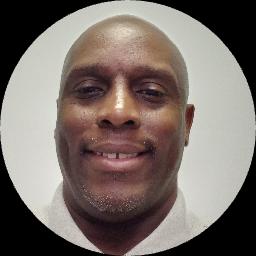
About Rochester
Rochester focuses on practical strategies that help people manage symptoms day to day. He uses approaches like cognitive behavioral methods to notice and change unhelpful thinking. He adds skills-based work from dialectical behavior therapy to help with strong emotions and interpersonal stress.
He also integrates mindfulness techniques to increase present-moment awareness and Trauma-Focused Therapy when trauma or abuse has been part of someone's experience. Motivational interviewing is used to clarify goals and support small steps toward change.
In sessions he aims for straightforward conversation and clear strategies. People can expect to talk through recent problems, learn specific coping skills, and practice them between meetings. Rochester emphasizes collaboration on treatment goals and practical steps to try outside of sessions.
His practice model uses a subscription billing structure that can be canceled at any time. Prospective clients complete a short matching questionnaire and schedule an initial session to get started. If you want to know which session formats are currently offered, confirm the options before booking.
Areas of expertise
Primary focus
Therapeutic approaches
Experience
7+ years
Credentials
North Carolina, Texas
Languages
English
License and NPI
- LCMHC, North Carolina
- No. 14107
- LPC, Texas
- No. 97094
- NPI
- 1659859882
As listed on the therapist's profile; we have not checked them. A license can be checked with the state board, and an NPI in the national registry.
How therapeutic approaches translate to online work
Rochester commonly uses cognitive behavioral therapy and dialectical behavior therapy in his work. CBT involves identifying patterns of thought and behavior that contribute to distress and practicing concrete strategies to change them. It is often used for anxiety, depression, and stress. DBT focuses on teaching emotion regulation, distress tolerance, and interpersonal skills to manage intense feelings and reduce reactive behavior.He also draws on Trauma-Focused Therapy when past harm affects daily functioning and uses motivational interviewing to help clarify goals and build readiness for change. He approaches treatment collaboratively and will work with each person to decide which methods fit their needs and preferences.
Confirm the current session formats before booking, as specific options are not listed here. Online sessions can make it easier to fit meetings into a busy schedule, allow shorter check-ins when needed, and reduce travel time. Licensed professionals can adapt CBT and DBT exercises to remote sessions so people can practice skills between meetings and track progress over time.
Frequently asked questions
What concerns does he work with most often?
He works with stress, anxiety, trauma and abuse, parenting issues, anger, and depression.
What is his general approach in sessions?
He uses practical, skills-based approaches like cognitive behavioral techniques and DBT skills to address thoughts, emotions, and behavior.
How many years has he been practicing?
He has seven years of professional clinical experience in counseling and mental health work.
What are his credentials and where is he licensed?
He holds LPC and LCMHC credentials and is licensed in North Carolina.
In which language are sessions offered?
Sessions are offered in English.
Can people outside the United States work with him?
He does not accept international clients at this time.
How are fees handled?
Costs vary with location; sessions use a subscription that can be canceled at any time.
What are the first steps to begin working together?
Select the See online therapy options button, complete a short matching questionnaire, and schedule a first session.