
Linda Burbank
LCSWNorth Carolina · 30 yrs exp
LCSW - Trauma and relationship concerns
Stress, Anxiety · Relationship · Family · Parenting · +10 more
Read profileTherapist listings come from BetterHelp. If you sign up through our links, we will earn a commission at no extra cost to you.
Profiles listed for the North Carolina listed location highlight therapists who list trauma and abuse among their specialties. Use the profiles to compare credentials, clinical approaches, languages, and focus areas, then browse to learn more about each clinician.
North Carolina · 30 yrs exp
LCSW - Trauma and relationship concerns
Stress, Anxiety · Relationship · Family · Parenting · +10 more
Read profile
North Carolina · 4 yrs exp
LCSW - Trauma and anxiety support
Stress, Anxiety · Trauma and abuse · Anger · Self esteem · +1 more
Read profile
North Carolina · 16 yrs exp
Licensed Clinical Social Worker - Trauma and Addictions
Stress, Anxiety · Addictions · Trauma and abuse · Anger · +13 more
Read profile
North Carolina · 5 yrs exp
Licensed Clinical Social Worker - Trauma and addictions
Stress, Anxiety · Addictions · Trauma and abuse · Self esteem · +1 more
Read profile
North Carolina · 12 yrs exp
LCSW - Trauma and relationship concerns
Stress, Anxiety · Relationship · Trauma and abuse · Self esteem · +1 more
Read profile
North Carolina · 4 yrs exp
Licensed Clinical Social Worker - Trauma and Eating Concerns
Stress, Anxiety · Trauma and abuse · Eating · Parenting · +1 more
Read profile
North Carolina · 4 yrs exp
Licensed Clinical Social Worker - Trauma and relationship concerns
Stress, Anxiety · Relationship · Trauma and abuse · Self esteem · +1 more
Read profile
North Carolina · 10 yrs exp
Licensed Clinical Social Worker - Trauma and anxiety
Stress, Anxiety · Trauma and abuse · Self esteem · Depression · +1 more
Read profile
North Carolina · 13 yrs exp
LCSW - Trauma and relationship concerns
Stress, Anxiety · Relationship · Family · Self esteem · +13 more
Read profile
North Carolina · 13 yrs exp
LCSW - Trauma and mood concerns
Stress, Anxiety · Addictions · Trauma and abuse · Anger · +1 more
Read profile
North Carolina · 20 yrs exp
Licensed counselor - Trauma and addiction focus
Stress, Anxiety · Parenting · Self esteem · Depression · +15 more
Read profile
North Carolina · 7 yrs exp
LCSW - Trauma and family concerns
Stress, Anxiety · Relationship · Family · Parenting · +6 more
Read profile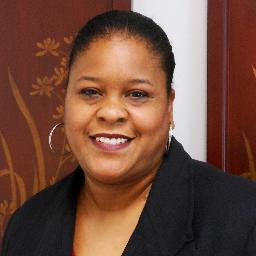
North Carolina · 15 yrs exp
LCMHC - Trauma and relationship concerns
Stress, Anxiety · Relationship · Self esteem · Depression · +10 more
Read profile
North Carolina · 16 yrs exp
LCMHC counselor - addictions and trauma
Addictions · Trauma and abuse · Self esteem · Coping with life changes · +1 more
Read profile
North Carolina · 13 yrs exp
Licensed counselor - Trauma and mood concerns
Stress, Anxiety · Trauma and abuse · Anger · Self esteem · +14 more
Read profile
North Carolina · 6 yrs exp
LICSW LCSW - Trauma and relationship focus
Stress, Anxiety · Relationship · Family · Trauma and abuse · +8 more
Read profile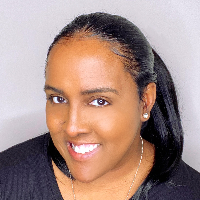
North Carolina · 20 yrs exp
LCSW - Trauma and addiction focus
Stress, Anxiety · Addictions · Family · Career · +16 more
Read profile
North Carolina · 5 yrs exp
LCMHC - Trauma and relationship concerns
Stress, Anxiety · Relationship · Trauma and abuse · Self esteem · +1 more
Read profile
North Carolina · 8 yrs exp
LCMHC - Trauma and mood concerns
Stress, Anxiety · Trauma and abuse · Depression
Read profile
North Carolina · 8 yrs exp
LCSW - Addictions and trauma care
Addictions · Family · Trauma and abuse · Self esteem · +1 more
Read profile
North Carolina · 7 yrs exp
Licensed counselor - Trauma and mood concerns
Stress, Anxiety · Trauma and abuse · Parenting · Anger · +1 more
Read profile
North Carolina · 12 yrs exp
LCSW - Trauma and anxiety focus
Stress, Anxiety · Addictions · Relationship · Family · +8 more
Read profile
North Carolina · 17 yrs exp
Licensed Clinical Mental Health Counselor - Trauma and relationships
Stress, Anxiety · Trauma and abuse · Parenting · Relationship · +9 more
Read profile
North Carolina · 14 yrs exp
LCSW - Trauma and life transitions
Stress, Anxiety · Addictions · Self esteem · Depression · +11 more
Read profileWhen you explore profiles grouped under the North Carolina listed location, you are viewing information the clinician has chosen to share about their practice focus, approaches, education, and languages. Those profiles indicate that trauma and abuse are among the topics a therapist lists as part of their work. That listing does not by itself mean a therapist holds a particular certification, uses a specific evidence-based technique, or is a match for every situation. Profiles are a starting point to gather names and to identify differences in emphasis and style.
As you review profiles, keep in mind the sensitive nature of trauma-related care. The aftermath of abuse, violence, accidents, or other traumatic experiences can include emotional, cognitive, and somatic reactions that unfold over time. You should move at a pace that feels manageable. If immediate danger is present, call 911. For urgent emotional distress or suicidal crisis, call or text 988. Directory listings are not emergency services and do not replace crisis care.
Listed location is the way profiles are grouped for browsing. It does not guarantee an in-person office at a given address or that a clinician is currently authorized to practice in every jurisdiction linked to that location. Licensure and scope of practice are determined by state boards and professional registries. Academic degrees such as PhD, PsyD, MD, MA, or MSW describe educational achievement. A degree alone does not confirm current permission to practice. You should look for information on a profile that clarifies the clinician's license type and the state or states where they hold permission to work, and then verify that information directly with the practitioner or the appropriate licensing board.
Before relying on any single detail listed in a profile, confirm that a therapist has legal permission to work with you where you live or where you will be located during sessions. This is important for online or remote care as well as in-person work. Profiles may show the languages a clinician speaks and the populations they state they focus on, but those statements are not regulatory proof of competency. Treat them as conversation starters rather than definitive endorsements.
When you contact a clinician, prepare questions that help you understand how they work with trauma. Ask about the types of trauma and the populations they have experience supporting. Rather than assuming a particular technique, ask whether they list certain approaches among their methods - for example, therapists who list EMDR among their approaches or those who mention trauma-focused cognitive-behavioral strategies. Ask what you might expect in early sessions, how progress tends to be tracked, and how they adapt if a particular approach does not feel right to you.
It can be useful to ask how a clinician handles distress that emerges in sessions, what supports they suggest outside of appointments, and whether they collaborate with medical providers or legal advocates when needed. Be explicit about any health conditions, medications, or ongoing legal or safety concerns that are part of your situation so the clinician can describe how they have worked with similar circumstances. Remember that a mention of an approach on a profile is not evidence of specialized certification; use direct conversation to understand a clinician's competence and comfort with the techniques they list.
If you are considering remote sessions, clarify practical and ethical details before beginning. Confirm whether the clinician has permission to provide care to people in North Carolina, or to the state where you are physically located during sessions. Ask about preferred video platforms, how technology disruptions are handled, and how records and billing will be managed. Discuss how emergencies are addressed in remote work - for example, whether the clinician requests a local emergency contact or knows the local emergency number you would use if immediate danger arises. Always call 911 if someone is in immediate danger and call or text 988 for acute emotional distress.
Talk about boundaries and session logistics such as start and end procedures, plans for missed sessions, and how to raise concerns about the therapeutic relationship. If there are accessibility needs or language preferences, ask how the clinician can meet them. You should feel comfortable asking how the therapist will tailor their approach if trauma symptoms become intense, and whether they work alongside other supports such as primary care, psychiatry, or community resources. Confirming these details helps set expectations and reduces the need to resolve operational questions after a therapy relationship begins.
Comparing profiles effectively means looking beyond brief tags and focusing on specifics that matter to you. Read how clinicians describe the kinds of trauma they work with - for instance, interpersonal violence, accidents, medical trauma, or military-related experiences. Consider whether a clinician lists experience with similar circumstances to yours and how they describe their approach to healing. Profiles that note additional focus areas such as grief, substance-related difficulties, or chronic stress can indicate a broader context in which trauma work takes place.
Language capabilities are important if you prefer counseling in a language other than English; verify the degree of fluency on the profile and ask directly if interpretation or bilingual work is part of the clinician's routine. Review listed credentials and remember to distinguish degree titles from licenses - a clinician's PhD describes education, while a license indicates legal permission to practice. Pay attention to how clinicians describe their therapeutic style - whether they emphasize a skills-oriented approach, a reflective talk-based style, body-informed techniques, or a strengths-based orientation. If a profile mentions approaches such as EMDR, somatic methods, or trauma-focused cognitive-behavioral ideas, treat those as topics to discuss rather than guarantees of specific training.
Ultimately, matching with a clinician is a personal process. Use profiles to narrow choices by focus area, language, credentials, and style, then reach out to ask concrete questions. Confirm the clinician's permission to work with you where you live, talk about your priorities for care, and move at a pace that respects your comfort and safety. If immediate danger or a mental health crisis arises, call 911 or call or text 988 for urgent help.
These profiles are intended to help you gather information and start conversations. They are not a substitute for verifying licensure, asking about clinical experience, or seeking urgent care when needed. Take your time, prepare questions that reflect your needs, and prioritize your safety and well-being as you explore care options in North Carolina.
Addictions
1581 therapists
ADHD
1412 therapists
Anger
2045 therapists
Bipolar
1201 therapists
Control Issues
1017 therapists
Depression
3301 therapists
Grief
1847 therapists
Guilt and Shame
1913 therapists
Intimacy Issues
1359 therapists
Isolation / Loneliness
1594 therapists
Panic Disorder and Panic Attacks
1023 therapists
Post-Traumatic Stress
1738 therapists
Self Esteem
3152 therapists
Social Anxiety and Phobia
1541 therapists
Stress & Anxiety
3670 therapists
Abandonment
1005 therapists
Attachment Issues
1161 therapists
Blended Family Issues
852 therapists
Career
1614 therapists
Caregiver Issues and Stress
1170 therapists
Coaching
873 therapists
Codependency
1016 therapists
Communication Problems
2221 therapists
Compassion Fatigue
1461 therapists
Coping with Life Changes
2662 therapists
Divorce
1202 therapists
Family
2379 therapists
Family of Origin Issues
881 therapists
Forgiveness
1652 therapists
Life Purpose
1908 therapists
Parenting
1949 therapists
Relationship
2845 therapists
Self-Love
2076 therapists
Workplace Issues
1076 therapists
This directory is not a crisis line or an emergency service. These lines are free and open day and night.