- Addictions
- Trauma and abuse
- Self esteem
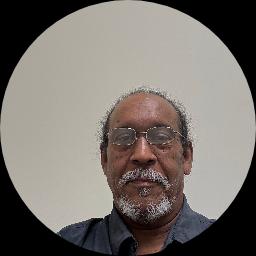
About Ruben
He uses straightforward, evidence-based techniques to help people manage overwhelming feelings and make sense of difficult events. Sessions often involve setting small goals, practicing new ways to speak about problems, and learning methods to calm the body when stress rises. Ruben pays attention to attachment patterns and how past relationships influence present behavior.
Clients bring concerns such as midlife transitions, struggles with life purpose, and problems with self-love. He breaks these into manageable topics and works with people on one step at a time. Conversations can include looking at choices around work, adjusting expectations, or rebuilding trust in oneself.
Ruben describes his method as collaborative. He helps people test strategies in everyday life and adjusts plans based on what works. He also integrates cultural awareness into conversations about identity and decision making.
Practical skills are a common focus. Sessions may cover communication practice, relapse prevention planning for addictions, and techniques to rebuild self-esteem. Ruben encourages clear action and review so people can track progress between meetings.
Areas of expertise
Primary focus
Additional focus areas
Experience
10+ years
Credentials
Oklahoma
Languages
English
License and NPI
- LPC, Oklahoma
- No. LPC06685
- NPI
- 1770772253
As listed on the therapist's profile; we have not checked them. A license can be checked with the state board, and an NPI in the national registry.
Therapeutic approaches and online sessions
Ruben uses evidence-based therapeutic techniques that focus on practical skills and making sense of difficult experiences. One common approach is cognitive behavioral work, which helps people notice unhelpful thinking patterns and practice different responses to reduce distress. This method is useful for low self-esteem, coping with life changes, and some addiction-related challenges.Another area of focus is techniques that address the emotional and relational effects of trauma. These methods help people regulate strong emotions, reduce reactivity, and rebuild more effective communication patterns. They are often used for trauma and abuse recovery and for attachment-related concerns.
Finding the right approach is part of the work. Ruben collaborates with each person to choose methods that fit their goals and preferences, then adjusts the plan as needed. He checks in on what helps and what needs changing so the plan remains practical and relevant.
Session formats are not specified in the biography, so confirm current options before booking. Online sessions can make it easier to fit therapy into a busy schedule, reduce travel time, and allow for shorter check-ins when needed. These practical benefits often help people maintain steady progress while juggling work and family commitments.
Frequently asked questions
What concerns does he help with most often?
He works with addictions, trauma and abuse, low self-esteem, career issues, and coping with life changes. Additional focus areas include attachment issues, communication problems, life purpose, midlife crisis, and self-love.
What is his therapeutic style?
He takes a collaborative, practical approach that emphasizes skill building and clear steps. Conversations focus on communication practice, coping tools, and testing what helps in daily life.
How much experience does he have?
He has ten years of experience working with people on addiction recovery, trauma, career concerns, and self-esteem development.
What credentials and location are listed?
He is a Licensed Professional Counselor (LPC) in Oklahoma.
Which languages are sessions offered in?
Sessions are offered in English.
Does he work with international clients?
He does not accept international clients at this time.
How are sessions paid for and what does it cost?
Cost varies with location and sessions use a subscription that can be canceled at any time.
How do I begin a first session?
Select the See online therapy options button, complete a short matching questionnaire, and schedule a first session.