
Hailey Reed
LPCIdaho · 8 yrs exp
Licensed Professional Counselor - Trauma and relationships
Stress, Anxiety · LGBT · Trauma and abuse · Grief · +16 more
Read profileTherapist listings come from BetterHelp. If you sign up through our links, we will earn a commission at no extra cost to you.
Use this page to compare profiles of therapists who list trauma and abuse and Coping with Life Changes among their specialties. Review approach, professional credentials, languages, and listed location to find clinicians who match what you want to explore. Browse the profiles below to learn more about each clinician's focus and style.
Idaho · 8 yrs exp
Licensed Professional Counselor - Trauma and relationships
Stress, Anxiety · LGBT · Trauma and abuse · Grief · +16 more
Read profile
Georgia · 3 yrs exp
Licensed Professional Counselor - Anxiety and Maternal Mental Health
Stress, Anxiety · Anger · Self esteem · Depression · +10 more
Read profile
Alabama · 15 yrs exp
Alabama LPC - trauma and mood concerns
Stress, Anxiety · Addictions · Relationship · Family · +12 more
Read profile
North Carolina · 30 yrs exp
LCSW - Trauma and relationship concerns
Stress, Anxiety · Relationship · Family · Parenting · +10 more
Read profile
Missouri · 27 yrs exp
Licensed Professional Counselor - Trauma and anxiety
Stress, Anxiety · Grief · Self esteem · Depression · +15 more
Read profile
Arizona · 6 yrs exp
Licensed Clinical Social Worker - Trauma and mood concerns
Stress, Anxiety · Anger · Self esteem · Bipolar · +14 more
Read profile
Michigan · 14 yrs exp
Licensed Master Social Worker - Trauma and anxiety
Stress, Anxiety · Family · Trauma and abuse · Grief · +12 more
Read profile
Florida · 30 yrs exp
Dr. Douglass Lobo, LMHC - Trauma and family concerns
Stress, Anxiety · Family · Trauma and abuse · Parenting · +14 more
Read profile
California · 14 yrs exp
Licensed counselor - Trauma and relationships
Stress, Anxiety · Relationship · Family · Intimacy-related issues · +9 more
Read profile
Georgia · 12 yrs exp
LPC in Georgia - Trauma and relationship support
LGBT · Relationship · Bipolar · Coping with life changes · +6 more
Read profile
California · 5 yrs exp
Licensed Clinical Social Worker - Trauma and anxiety
Stress, Anxiety · Trauma and abuse · Self esteem · Depression · +1 more
Read profile
Ohio · 16 yrs exp
Ohio LISW - Trauma and abuse, grief support
Stress, Anxiety · Grief · Self esteem · Depression · +10 more
Read profile
Michigan · 11 yrs exp
LMSW - Trauma and family concerns
Stress, Anxiety · Family · Trauma and abuse · Depression · +1 more
Read profile
Connecticut · 3 yrs exp
LCSW - Trauma and mood concerns
Stress, Anxiety · Trauma and abuse · Self esteem · Depression · +1 more
Read profile
North Carolina · 16 yrs exp
Licensed Clinical Social Worker - Trauma and Addictions
Stress, Anxiety · Addictions · Trauma and abuse · Anger · +13 more
Read profile
Texas · 3 yrs exp
Licensed Professional Counselor - Trauma and relationships
Stress, Anxiety · Relationship · Trauma and abuse · Coping with life changes · +1 more
Read profile
Texas · 18 yrs exp
LPC in Texas - Trauma and addiction focus
Stress, Anxiety · Addictions · LGBT · Relationship · +14 more
Read profile
Florida · 4 yrs exp
LCSW - Stress and trauma support
Stress, Anxiety · Trauma and abuse · Depression · Coping with life changes · +7 more
Read profile
Texas · 4 yrs exp
Licensed Professional Counselor - Relationships and Trauma
Relationship · Trauma and abuse · Depression · Coping with life changes
Read profile
New Jersey · 5 yrs exp
Licensed Professional Counselor - Trauma and relationship concerns
Stress, Anxiety · Relationship · Family · Anger · +12 more
Read profile
California · 8 yrs exp
Licensed Marriage and Family Therapist - Relationships and Trauma
Relationship · Trauma and abuse · Self esteem · Depression · +1 more
Read profile
Florida · 6 yrs exp
LCSW - Trauma and stress support
Stress, Anxiety · Grief · Self esteem · Coping with life changes · +5 more
Read profile
Nebraska · 25 yrs exp
Licensed Mental Health Practitioner - Trauma and family concerns
Addictions · Grief · Self esteem · Depression · +15 more
Read profile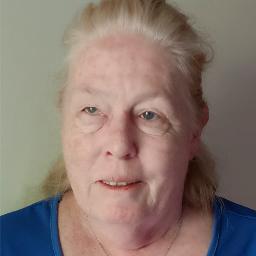
Massachusetts · 29 yrs exp
LICSW - Trauma and anxiety focused
Stress, Anxiety · Trauma and abuse · Intimacy-related issues · Depression · +7 more
Read profileMajor life transitions often come with emotional strain, loss of routines, and shifting roles. When those changes follow experiences of trauma, abuse, violence, accidents, or other destabilizing events, you may notice intensified reactions or recurring reminders of what happened. On this directory page you will find clinicians who list both trauma and abuse and Coping with Life Changes as specialties. That overlap does not imply causation in every case, nor does it establish a clinician's particular training in a named trauma therapy. It does indicate that these topics are described in the therapist's profile as areas they address.
You are the expert on how much a past event shapes your experience of a current change. You can move at your own pace when exploring profiles and when contacting a clinician. If you are feeling overwhelmed and are in immediate danger, call 911. If you are experiencing a suicidal crisis or severe mental health emergency, call or text 988. The directory is an information tool to help you find clinicians to talk with about transitions and the ways trauma or abuse may affect them.
When you look at profiles, focus on concrete signals of fit rather than assumptions. Ask whether the clinician lists experience with the kinds of aftermath that concern you, such as recovery from interpersonal violence, coping after an accident, or adapting to life after a major loss. Inquire about the populations they work with to determine if they typically work with individuals, adolescents, older adults, or particular cultural communities. Note that a listed topic does not prove work with couples, families, or children unless the profile specifically states those populations.
Also ask about the length and nature of that experience. You can ask how long they have worked with people naming similar concerns and what kinds of challenges they commonly address in that work. If a profile notes approaches such as EMDR, somatic methods, cognitive-behavioral strategies, or mindfulness-informed care, frame your questions around what those approaches look like in practice by asking what a typical session might involve and how goals are established together. Remember that academic degrees like PhD, PsyD, MD, MA, or MSW reflect a clinician's educational background and are distinct from professional licenses or registrations that authorize practice in a jurisdiction.
You will want to understand not only the names of approaches listed but how they translate into therapy style. Some clinicians describe a supportive, exploratory approach that prioritizes pacing and safety, while others emphasize skills for managing symptoms or structured work toward specific goals. When reviewing profiles, consider asking about the clinician's view on collaboration, how they include your priorities in treatment planning, and how they handle moments when processing material becomes intense. If a profile mentions specific tools or approaches, ask how those are adapted to meet your needs and preferences, and what alternatives they might offer if an approach does not feel right.
Concrete questions you might bring up include: How do you decide when to shift focus from coping skills to deeper processing? What does informed consent look like for the approaches you use? How do you measure progress in ways that align with what matters to me? Avoid assuming that a listed approach indicates certification or specialty training. Instead, ask clinicians how they apply any methods they list and how they stay current with practice through continuing education or peer consultation.
If you are considering remote sessions, discuss jurisdictional permissions and practice boundaries. Ask whether the clinician has permission to work with you from their listed location and whether they can legally provide services to your current location. Licensing rules vary by state and country, so verifying that the clinician is authorized to work with you in your location is important. Ask how they handle brief technical interruptions and what steps they recommend if a session is cut off unexpectedly.
Talk about crisis planning before you begin care. Ask what the clinician recommends if you experience an acute crisis between sessions. Understand that this directory does not provide emergency response or safety-planning services. If you feel you are in immediate danger, call 911. For suicidal crisis or mental health emergency support, call or text 988. You may also ask the clinician if they maintain a list of local in-person resources or referral partners in the clinician's and your listed location in case different types of support are needed.
As you move through profiles, let concrete comparison questions guide your decisions. Which clinicians describe helping people with similar life changes to yours? Which profiles note work with survivors of abuse or with aftermath of accidents and violence in a way that resonates with your situation? Which languages does the clinician list, and do those match your preferred language for nuanced emotional work? Consider the listed location as an indicator of jurisdiction rather than proof of service modality. If having a clinician who shares cultural knowledge or language is important to you, bring that up directly when you contact them.
Examine credentials with care. Academic degrees such as PhD, PsyD, MD, MA, and MSW show educational background. Licenses and registrations are what give a clinician legal permission to practice where they say they do. When you review a profile, ask which licenses the clinician currently holds and whether those licenses permit practice in your location. Ask if they belong to any professional organizations and whether they pursue ongoing consultation or continuing education in areas that matter to you. Finally, think about communication style - whether you prefer a clinician who is directive and skills-oriented or someone who is reflective and process-oriented - and use the language in profiles and initial conversations to assess fit.
Choosing someone to talk with about Coping with Life Changes and trauma-related concerns is a personal process. Use profiles to narrow options, prepare direct questions before you reach out, and trust your sense of comfort when you speak with a clinician. Verify licensure and permission to work with you in your location, distinguish between degrees and authorization to practice, and make an informed choice about the approach and style that feel right. If you ever feel unsafe, call 911; for a suicidal crisis or acute mental health emergency, call or text 988. Take your time, go at your own pace, and look for a clinician whose profile and initial conversation align with the needs you want to address.
Alabama
64 therapists
Alaska
10 therapists
Arizona
57 therapists
Arkansas
26 therapists
California
352 therapists
Colorado
102 therapists
Connecticut
42 therapists
Delaware
13 therapists
District of Columbia
11 therapists
Florida
421 therapists
Georgia
132 therapists
Hawaii
14 therapists
Idaho
23 therapists
Illinois
158 therapists
Indiana
55 therapists
Iowa
12 therapists
Kansas
25 therapists
Kentucky
56 therapists
Louisiana
77 therapists
Maine
23 therapists
Maryland
70 therapists
Massachusetts
60 therapists
Michigan
130 therapists
Minnesota
48 therapists
Mississippi
42 therapists
Missouri
94 therapists
Montana
23 therapists
Nebraska
16 therapists
Nevada
28 therapists
New Hampshire
13 therapists
New Jersey
82 therapists
New Mexico
29 therapists
New York
218 therapists
North Carolina
159 therapists
North Dakota
5 therapists
Ohio
109 therapists
Oklahoma
73 therapists
Oregon
30 therapists
Pennsylvania
140 therapists
Rhode Island
8 therapists
South Carolina
78 therapists
South Dakota
10 therapists
Tennessee
76 therapists
Texas
441 therapists
Utah
26 therapists
Vermont
10 therapists
Virginia
83 therapists
Washington
58 therapists
West Virginia
8 therapists
Wisconsin
69 therapists
Wyoming
4 therapists
This directory is not a crisis line or an emergency service. These lines are free and open day and night.