- Trauma and abuse
- Cognitive behavioral therapy
- Family and relationship issues
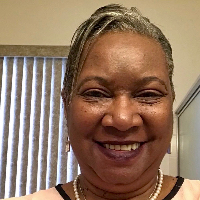
About Stephanie
She holds a Master of Arts in Community Counseling from the University of North Carolina at Charlotte and a Master of Theology in Pastoral Care and Counseling from Hood Theological Seminary. Stephanie has provided counseling across many settings, including emergency rooms, community counseling centers, schools, churches, group programs, and independent practice. She has also taught locally and nationally on supporting people living with HIV and AIDS.
Her approach mixes practical methods from several schools of therapy. Cognitive behavioral techniques are used to look at thoughts and behaviors and to teach skills like relaxation and assertiveness. Narrative and psychodynamic ideas help people make sense of past experiences and relationship patterns. Solution-focused tools are brought in to set concrete goals and monitor progress.
Stephanie emphasizes a collaborative therapeutic relationship. She and the client work together to gather information, set achievable goals, and choose techniques that fit the client's situation. Clients are encouraged to take an active role in making changes and following through with agreed tasks.
Sessions can include behavior assignments, role play, reframing, and psychoeducation. Topics commonly addressed include early childhood experiences, interpersonal violence, the effects of addiction on families, grief, anger, fear of abandonment, workplace stress, and end-of-life or hospice concerns.
Areas of expertise
Primary focus
Additional focus areas
Therapeutic approaches
Experience
19+ years
Credentials
North Carolina
Languages
English
License and NPI
- LCMHC, North Carolina
- No. 5451
- NPI
- 1356422901
As listed on the therapist's profile; we have not checked them. A license can be checked with the state board, and an NPI in the national registry.
How her approaches are used in online work
Stephanie draws on cognitive behavioral therapy to identify unhelpful thoughts and test new behaviors, which can help with anxiety, stress, and mood changes. Client-centered ideas keep the focus on the person's concerns and goals, giving room for their perspective and priorities. Narrative therapy is used to look at the stories people tell about themselves and to try new, more helpful ways of talking about past events.Deciding which methods to use is part of the work. The therapist and client collaborate to weigh needs, goals, and preferences and then try approaches that fit. That process can include setting short-term goals, assigning small practice tasks between sessions, and checking progress together.
If you are considering online sessions, confirm the specific session options before booking since the biography does not list them. Online work can make it easier to fit appointments into a busy week, allow shorter check-ins when needed, and remove travel time. Video work supports exercises like role play and behavioral experiments, while phone sessions can work well for brief updates or when bandwidth is limited.
Frequently asked questions
What kinds of problems does she help with?
She helps people with stress, anxiety, relationship and family concerns, trauma and abuse, and depression, plus related issues like attachment, caregiver stress, and workplace problems.
What is her therapy style like?
She uses a mix of practical techniques including cognitive behavioral methods, narrative work, psychodynamic ideas, and solution-focused tasks to set goals and practice new behaviors.
How long has she been practicing?
She has 19 years of experience working in a variety of settings such as emergency rooms, community centers, schools, churches, group programs, and independent practice.
What credential does she hold and where is she based?
She is a Licensed Clinical Mental Health Counselor (LCMHC) licensed in North Carolina.
Can I work with her if I live outside the United States?
International clients are not currently accepted; sessions are offered in English and occur within her North Carolina practice context.
What session formats are offered?
Please confirm available session formats before booking, as the biography does not list specific formats.
How does payment work?
Cost varies with location and sessions use a subscription model that can be canceled at any time.
How do I begin working with her?
Begin by selecting the See online therapy options button, completing a short matching questionnaire, and scheduling a first session.