- Client-Centered Therapy
- CBT
- Gottman Method
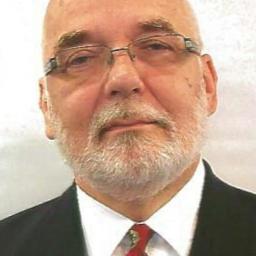
About Alfred
Alfred uses talk-based therapy to help people who feel stuck or overwhelmed. He listens, asks questions, and helps people identify small changes they can make. Sessions focus on the problems a person brings and on developing practical steps to manage symptoms and improve daily functioning.
He blends several approaches to fit each person’s needs. Client-Centered Therapy shapes sessions around what matters to the client. Cognitive Behavioral Therapy (CBT) looks at thoughts and behaviors that keep symptoms going. The Gottman Method addresses relationship patterns when couples work together on communication and conflict.
Alfred also draws on Psychodynamic Therapy to consider how past experiences affect current feelings and Solution-Focused Therapy to set clear, achievable goals. He has experience offering individual psychotherapy, couples counseling, group therapy, and substance use counseling from previous roles.
Sessions are offered in English and he practices in Connecticut. The sign-up process uses a subscription model that can be canceled at any time. Prospective clients are invited to complete a short matching questionnaire and schedule a first session to begin the process.
Areas of expertise
Primary focus
Also works with
Additional focus areas
Therapeutic approaches
Experience
3+ years
Credentials
Connecticut
Languages
English
License and NPI
- LCSW, Connecticut
- No. 002400
- NPI
- 1912673351
As listed on the therapist's profile; we have not checked them. A license can be checked with the state board, and an NPI in the national registry.
How his approaches translate to online work
Alfred uses Client-Centered Therapy and Cognitive Behavioral Therapy as primary tools in his work. Client-Centered Therapy focuses on the client’s concerns and priorities, letting sessions follow what the person needs to talk about. CBT identifies thoughts and behaviors that contribute to distress and teaches practical skills to change them.He may also use elements of the Gottman Method for relationship work when appropriate, focusing on communication patterns and small behaviors that affect connection. Deciding which approaches to use is a collaborative process; he will work with each person to choose methods that match their goals and preferences.
For practical matters, confirm the current session options before booking since formats are not specified in the original biography. Online sessions can make it easier to fit therapy into a busy week, reduce travel time, and allow shorter check-ins when schedules are tight. Therapists and licensed professionals generally find that talk-based methods like CBT and Client-Centered Therapy adapt well to virtual work, and Alfred will discuss what will work best for scheduling and the client’s needs during the initial match and first session.
Frequently asked questions
What kinds of problems does he help with?
He works with stress, anxiety, depression, relationship and family concerns, trauma and abuse, grief, addictions, self-esteem, intimacy issues, eating concerns, anger, bipolar, ADHD, and end-of-life matters.
What is his therapeutic style?
He uses a talk-based, interactive approach that combines Client-Centered Therapy, CBT, the Gottman Method, Psychodynamic Therapy, and Solution-Focused Therapy to address practical problems and relationship patterns.
How much clinical experience does he have?
He has 3 years of experience as a Licensed Clinical Social Worker working with individuals and couples on a range of issues.
What are his credentials and location?
He is an LCSW licensed in Connecticut and provides services in that state.
Which languages are supported?
Sessions are offered in English.
Can international clients work with him?
International clients are not currently accepted; services are offered to people in Connecticut.
How are sessions priced?
Cost varies by location and sessions use a subscription that can be canceled at any time.
How do I get started?
Select the See online therapy options button, complete a short matching questionnaire, and schedule a first session.