
Hailey Reed
LPCIdaho · 8 yrs exp
Licensed Professional Counselor - Trauma and relationships
Stress, Anxiety · LGBT · Trauma and abuse · Grief · +16 more
Read profileTherapist listings come from BetterHelp. If you sign up through our links, we will earn a commission at no extra cost to you.
On this page you can compare clinician profiles that list Grief alongside trauma and abuse. Browse profiles to review approaches, academic degrees, languages, and listed location to find a potential match.
Use the information in profiles to identify clinicians whose focus areas and style may align with your needs, then reach out to learn more about their approach.
Idaho · 8 yrs exp
Licensed Professional Counselor - Trauma and relationships
Stress, Anxiety · LGBT · Trauma and abuse · Grief · +16 more
Read profile
Georgia · 3 yrs exp
Licensed Professional Counselor - Anxiety and Maternal Mental Health
Stress, Anxiety · Anger · Self esteem · Depression · +10 more
Read profile
Alabama · 15 yrs exp
Alabama LPC - trauma and mood concerns
Stress, Anxiety · Addictions · Relationship · Family · +12 more
Read profile
North Carolina · 30 yrs exp
LCSW - Trauma and relationship concerns
Stress, Anxiety · Relationship · Family · Parenting · +10 more
Read profile
Missouri · 27 yrs exp
Licensed Professional Counselor - Trauma and anxiety
Stress, Anxiety · Grief · Self esteem · Depression · +15 more
Read profile
Arizona · 6 yrs exp
Licensed Clinical Social Worker - Trauma and mood concerns
Stress, Anxiety · Anger · Self esteem · Bipolar · +14 more
Read profile
Michigan · 14 yrs exp
Licensed Master Social Worker - Trauma and anxiety
Stress, Anxiety · Family · Trauma and abuse · Grief · +12 more
Read profile
California · 14 yrs exp
Licensed counselor - Trauma and relationships
Stress, Anxiety · Relationship · Family · Intimacy-related issues · +9 more
Read profile
Ohio · 16 yrs exp
Ohio LISW - Trauma and abuse, grief support
Stress, Anxiety · Grief · Self esteem · Depression · +10 more
Read profile
North Carolina · 16 yrs exp
Licensed Clinical Social Worker - Trauma and Addictions
Stress, Anxiety · Addictions · Trauma and abuse · Anger · +13 more
Read profile
Texas · 18 yrs exp
LPC in Texas - Trauma and addiction focus
Stress, Anxiety · Addictions · LGBT · Relationship · +14 more
Read profile
Florida · 4 yrs exp
LCSW - Stress and trauma support
Stress, Anxiety · Trauma and abuse · Depression · Coping with life changes · +7 more
Read profile
New Jersey · 5 yrs exp
Licensed Professional Counselor - Trauma and relationship concerns
Stress, Anxiety · Relationship · Family · Anger · +12 more
Read profile
Florida · 6 yrs exp
LCSW - Trauma and stress support
Stress, Anxiety · Grief · Self esteem · Coping with life changes · +5 more
Read profile
Virginia · 7 yrs exp
Licensed Professional Counselor - Relationships and Trauma
Relationship · Trauma and abuse · Grief · Self esteem · +1 more
Read profile
Nebraska · 25 yrs exp
Licensed Mental Health Practitioner - Trauma and family concerns
Addictions · Grief · Self esteem · Depression · +15 more
Read profile
Texas · 10 yrs exp
Licensed Professional Counselor - Trauma and relationships
Stress, Anxiety · Relationship · Family · Grief · +13 more
Read profile
Louisiana · 30 yrs exp
LCSW - Trauma and mood concerns
Family · Grief · Anger · Self esteem · +11 more
Read profile
Texas · 25 yrs exp
Licensed Professional Counselor - Relationships and Trauma
Relationship · Family · Grief · Coping with life changes · +12 more
Read profile
Mississippi · 20 yrs exp
MS LPC - Trauma and abuse, Anxiety and mood concerns
Stress, Anxiety · Addictions · Trauma and abuse · Anger · +14 more
Read profile
South Carolina · 8 yrs exp
Licensed Professional Counselor - Trauma and relationships
Stress, Anxiety · Relationship · Family · Coping with life changes · +11 more
Read profile
Texas · 9 yrs exp
Licensed Clinical Social Worker - Trauma and Addictions
Addictions · Trauma and abuse · Grief · Self esteem · +11 more
Read profile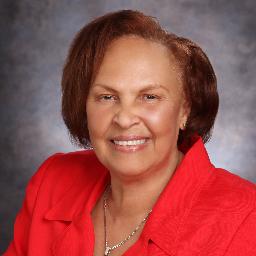
California · 20 yrs exp
Licensed Marriage and Family Therapist - Trauma and relationships
Stress, Anxiety · Relationship · Family · Parenting · +10 more
Read profile
California · 8 yrs exp
Licensed Clinical Social Worker - Trauma and abuse
Stress, Anxiety · Relationship · Self esteem · Career · +9 more
Read profileGrief after a traumatic event can take many forms. You might be grieving the loss of a person, a relationship, a sense of safety, or the life you expected before an accident, violence, or abusive situation. Those responses can happen together with fear, hypervigilance, sadness, anger, numbness, or difficulty concentrating. Because these reactions overlap with other stress responses, you may find it helpful to name what you are experiencing so you can describe it when you look at profiles and speak with a clinician.
You do not need to have a particular label to seek support, and feeling uncertain about what to call your experience is common. Going at your own pace is important. If you feel overwhelmed when reading about common reactions, pause and return when it feels manageable. If you are in immediate danger, call 911. In the United States, you can call or text 988 for crisis support if you are experiencing suicidal crisis or emotional distress. These resources are for urgent needs and are separate from ongoing therapeutic care.
Grief and trauma are often connected, but one does not always directly cause the other. An experience of abuse or a violent event can lead to grieving what was lost, while grief from a death or major life change can exist alongside prior trauma histories. This directory groups profiles that list Grief as a focus area and that also note trauma and abuse among their specialties so you can compare clinicians who acknowledge both domains. That organization does not indicate any specific causal relationship between the issues in an individual case.
When you read profiles, look for language that aligns with your situation. Some clinicians describe working with bereavement related to sudden loss or prolonged illness, while others list support for people coping with the aftermath of interpersonal violence, accidents, or other traumatic events. Neither listing is proof of a particular training or outcome. It simply signals that a clinician notes experience with these topics in their public profile. Use that information as a starting point for questions and conversations about fit.
Preparing specific questions helps you evaluate how a clinician might work with you. Ask how they typically support people who are managing grief alongside memories of violence, and how they pace conversations about painful events. You can ask whether they have experience working with adults, adolescents, or older adults, depending on your needs. Clarify whether they list particular approaches among those they use and frame that as a topic to discuss - for example, you might say, "I see you list EMDR among your approaches; could you tell me how you integrate that when someone is grieving after trauma?" Remember that a listing of an approach on a profile is not the same as documentation of specialty training.
It is also important to verify the clinician's credentials in terms you can understand. Distinguish academic degrees from professional permissions: degrees such as PhD, PsyD, MD, MA, or MSW indicate the clinician's education, while licensure or registration - for example a state psychologist license, LCSW, LMFT, LPC, or similarly titled credential - indicates whether they currently have professional permission to practice in a given jurisdiction. You should ask whether a clinician is licensed to practice in your state or region and whether their listed location corresponds to where they are allowed to provide care. These are practical questions that help you confirm whether a clinician can legally and ethically offer services to you where you live.
If you plan to connect with a clinician online, discuss logistical and safety-related elements ahead of time. Confirm the clinician's listed location and licensing permissions for providing services to people in your state or country. Talk about how you will manage emergencies - if you are in immediate danger, call 911, and if you need crisis support in the United States you can call or text 988. Ask the clinician how they handle crisis contacts and what local resources they recommend, since clinicians cannot provide on-the-spot emergency services across jurisdictions.
Before you begin, describe any experiences that might make conversations intense, such as exposures to violence or reminders of loss, so the clinician can explain how they support a paced approach. Discuss expectations about session structure, communication preferences, how to pause or slow a session if you need to, and whether you will have privacy at your end of the connection. For online work, identifying a quiet space where you feel comfortable is helpful. If you rely on accommodations such as interpreter services, cultural or faith-based considerations, or mobility supports, raise those needs early so you can confirm whether they are addressed in the clinician's practice.
When you review profiles, let your priorities guide which details matter most to you. Focus areas such as Grief, trauma, or abuse indicate topics a clinician lists; reading their descriptive text can give you a sense of emphasis and perspective. Languages spoken are a practical filter if you prefer to communicate in a language other than English or need work with a bilingual clinician. Academic degrees like PhD, PsyD, MD, MA, or MSW offer background on training, while the listings for licenses or registrations tell you about professional permission to practice. Verify licensing and permission to work in your location directly with the clinician or through the state licensing board.
Therapeutic style is another important attribute you can infer from profile language and then confirm in conversation. Some clinicians describe a more directive approach that offers specific strategies and homework, while others describe a reflective or client-led stance that centers your pace and narrative. You may find it helpful to prepare questions such as, "How do you work with someone who prefers to move slowly through painful memories?" or "How do you support people when grief intensifies unexpectedly?" Those concrete questions help you compare how different clinicians approach similar challenges.
After narrowing profiles that resonate with your needs, reach out to ask the practical questions that matter to you most. Confirm the clinician's listed location and whether they have permission to practice where you are. Ask about the kinds of issues they tend to address with clients who are grieving after trauma, and request examples of how they support pacing and stabilization without asking for clinical records or details about previous clients. If you have cultural, religious, or accessibility needs, discuss how they incorporate those factors into care. A short conversation can help you decide whether to proceed with that clinician or continue comparing profiles.
Remember that profiles are a starting point. They describe what clinicians choose to highlight publicly and do not replace direct verification of licensure, permissions, or the specifics of any therapeutic approach. If you are ever in immediate danger, call 911. For urgent emotional crises in the United States, call or text 988. Outside of urgent situations, taking time to compare profiles by focus areas, languages, credentials, and style can help you find a clinician whose approach aligns with your needs and preferences.
Alabama
64 therapists
Alaska
10 therapists
Arizona
57 therapists
Arkansas
26 therapists
California
352 therapists
Colorado
102 therapists
Connecticut
42 therapists
Delaware
13 therapists
District of Columbia
11 therapists
Florida
421 therapists
Georgia
132 therapists
Hawaii
14 therapists
Idaho
23 therapists
Illinois
158 therapists
Indiana
55 therapists
Iowa
12 therapists
Kansas
25 therapists
Kentucky
56 therapists
Louisiana
77 therapists
Maine
23 therapists
Maryland
70 therapists
Massachusetts
60 therapists
Michigan
130 therapists
Minnesota
48 therapists
Mississippi
42 therapists
Missouri
94 therapists
Montana
23 therapists
Nebraska
16 therapists
Nevada
28 therapists
New Hampshire
13 therapists
New Jersey
82 therapists
New Mexico
29 therapists
New York
218 therapists
North Carolina
159 therapists
North Dakota
5 therapists
Ohio
109 therapists
Oklahoma
73 therapists
Oregon
30 therapists
Pennsylvania
140 therapists
Rhode Island
8 therapists
South Carolina
78 therapists
South Dakota
10 therapists
Tennessee
76 therapists
Texas
441 therapists
Utah
26 therapists
Vermont
10 therapists
Virginia
83 therapists
Washington
58 therapists
West Virginia
8 therapists
Wisconsin
69 therapists
Wyoming
4 therapists
This directory is not a crisis line or an emergency service. These lines are free and open day and night.