- Client-Centered Therapy
- Cognitive Behavioral Therapy
- Existential Therapy
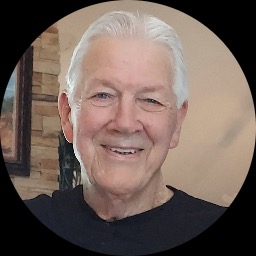
About Burton
Burt uses plain conversation and direct goal-setting in sessions. He focuses on identifying inner barriers and then challenging unhelpful thoughts and behaviors. Clients are invited to take an active role in choosing what to work on and in setting achievable steps and timeframes.
His work with substance use grew from years of involvement in recovery projects, documentary production, and teaching. That background informs how he talks about process addictions and alcohol or drug-related difficulties, including motivation and stigma reduction. He also helps people cope with life transitions and end-of-life concerns tied to aging and hospice contexts.
Burt describes therapy as a collaborative process that asks for courage and participation. He draws on practical methods to reset routines, strengthen self-esteem, and improve interpersonal functioning. His approach leans on listening, direct feedback, and structured goal work.
Outside clinical work he has produced films and written about recovery and relationships. Those projects reflect long-term commitment to supporting people through addiction and recovery issues. His experience is a resource he brings to sessions in Utah and California.
Areas of expertise
Also works with
Additional focus areas
Therapeutic approaches
Experience
50+ years
Credentials
Utah, California
Languages
English
License and NPI
- LCSW, Utah
- No. 11201705-3501
- LCSW, California
- No. 2658
- NPI
- 1295905784
As listed on the therapist's profile; we have not checked them. A license can be checked with the state board, and an NPI in the national registry.
How his therapeutic approaches translate to online work
Client-Centered Therapy emphasizes listening and building a working relationship so the client can set the topics and goals that matter most; it helps when someone needs support in clarifying values and priorities. Cognitive Behavioral Therapy (CBT) focuses on spotting and changing unhelpful thoughts and behaviors with practical exercises and homework; it is often used for anxiety, depression, and coping skills. Existential Therapy looks at meaning, choice, and responsibility and can help when life changes or loss raise big questions.Finding the right mix of approaches is part of the work. Burt collaborates with each person to decide which methods fit their needs, goals, and preferences. That choice can change over time as goals shift or progress is made.
Session formats are not specified in the profile, so confirm current options before booking. Online work can make it easier to fit sessions into a busy week, allow shorter check-ins when needed, and reduce travel time. Therapists and licensed professionals can also adapt exercises and homework for remote sessions so progress continues between meetings.
Frequently asked questions
What concerns does he typically address?
He works with stress, anxiety, depression, relationship and intimacy issues, addictions, grief, anger, and trauma and abuse among other concerns.
What is his general approach in sessions?
He uses client-centered conversation with active goal-setting and practical techniques to change thoughts and behaviors.
How much clinical experience does he have?
He has fifty years of professional experience in psychotherapy and recovery-related work.
What credentials and region are listed?
He is an LCSW licensed in California and Utah and practices from Utah as noted in his profile.
Which languages are offered in sessions?
Sessions are offered in English only.
Can international clients work with him?
International clients are not currently accepted.
How does payment and cost work?
Cost varies by location and sessions use a subscription that can be canceled at any time.
How do I begin the process?
Select the See online therapy options button, complete the short matching questionnaire, and schedule a first session.