- Client-centered approach
- Cognitive behavioral therapy
- Motivational interviewing
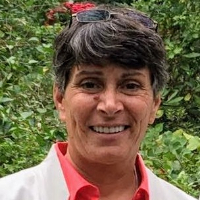
About Charlotte
She has worked in a range of treatment settings and with people who have struggled with opioid and alcohol dependence and dual diagnosis. Sessions often address low self-esteem, anger, interpersonal conflict, eating issues, bipolar concerns, and compassion fatigue. She also supports people who identify as LGBT and those coping with life changes.
Charlotte uses talk-based approaches that prioritize the therapeutic relationship. She draws on Client-Centered Therapy to follow the client’s lead and build trust. Cognitive Behavioral Therapy (CBT) is used to identify patterns of thinking and behavior that keep problems going, then try different responses.
Motivational Interviewing is part of her work when people are weighing change or facing addictive behavior. Solution-Focused Therapy is used to set short-term goals and notice small shifts that help daily functioning. Her sessions avoid confrontation and judgment while focusing on realistic steps forward.
Practical help is emphasized over labels. Charlotte encourages active collaboration on goals and regular check-ins on progress. To begin, people complete a brief matching questionnaire and schedule a first session.
Areas of expertise
Primary focus
Also works with
Additional focus areas
Therapeutic approaches
Experience
15+ years
Credentials
Massachusetts, Florida
Languages
English
License and NPI
- LMHC, Massachusetts
- No. 8749
- LMHC, Florida
- No. MH20103
- NPI
- 1861792624
As listed on the therapist's profile; we have not checked them. A license can be checked with the state board, and an NPI in the national registry.
How her approaches translate to online sessions
Charlotte commonly uses Client-Centered Therapy to build a collaborative relationship, following what the client brings to each session and prioritizing their concerns. This approach helps people who need someone to listen and reflect back their experience so they can make sense of it.She also uses Cognitive Behavioral Therapy (CBT) to identify unhelpful thinking and behavior patterns and try practical alternatives. CBT is useful for anxiety, depression, and many stress-related problems because it focuses on specific skills and practice between sessions. Motivational Interviewing is used when people are weighing change or dealing with substance use; it helps clarify goals and support readiness to take small steps.
Finding the right approach is part of the work together. The therapist will discuss options, try methods that fit the client's goals, and adjust based on how a client responds. That process is collaborative and ongoing rather than fixed from the start.
The practical benefits of remote sessions depend on the formats offered. The original biography does not list specific session formats, so confirm the current options before booking. Online work can make scheduling easier, reduce travel time, and allow shorter check-ins when needed, which helps therapy fit into a busy day.
Frequently asked questions
What concerns does she help with most often?
She works with stress, anxiety, depression, trauma and abuse, addictions, grief, impulsivity, and related issues such as low self-esteem and anger.
What style of therapy does she use?
Her style emphasizes the client-counselor relationship and practical techniques. She uses Client-Centered Therapy, CBT, Motivational Interviewing, and Solution-Focused Therapy.
How much experience does she have?
She has 15 years of experience working in a variety of treatment settings with people facing addiction, mental health, and trauma-related concerns.
What are her credentials and where is she based?
She is an MA LMHC and practices in Florida as a Licensed Mental Health Counselor.
Which languages are supported?
Sessions are offered in English.
Does she work with international clients?
International clients are not currently accepted.
How are sessions paid for?
Cost varies with location and sessions use a subscription that can be canceled at any time.
How do I get started?
Select the See online therapy options button, complete a short matching questionnaire, and schedule a first session.