- Client-Centered Therapy
- Trauma and abuse
- Parenting guidance
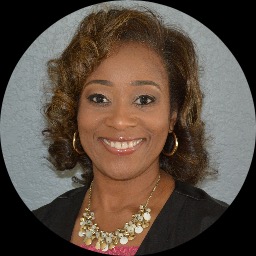
About Marlene
Hood uses a client-centered approach that treats the person, not just symptoms. She listens first, then works with each person to identify coping tools that fit day-to-day life. Conversations are aimed at clear, manageable steps rather than abstract theories.
Her background includes long experience in school counseling in Texas and Louisiana, where she handled crisis response, behavior plans, and educational support processes. That history informs how she assesses risk and organizes follow-up when someone is struggling.
In sessions she focuses on building practical skills to manage emotions and reactions. For people who have experienced upsetting events, she pays attention to safety, pacing, and concrete strategies for getting through difficult moments. She also supports people navigating parenting challenges and relationship stress.
People can expect straightforward talk about coping strategies, problem solving, and strengthening everyday routines. To begin, clients use the site matching steps to schedule an initial session and discuss which approaches will fit their goals.
Areas of expertise
Primary focus
Also works with
Therapeutic approaches
Experience
5+ years
Credentials
Texas
Languages
English
License and NPI
- LPC, Texas
- No. 82081
- NPI
- 1285379891
As listed on the therapist's profile; we have not checked them. A license can be checked with the state board, and an NPI in the national registry.
How Marlene applies client-centered work to online sessions
Client-Centered Therapy puts the person's experience at the center. It involves listening carefully, reflecting what the person says, and helping them choose practical steps they can try. This approach helps with anxiety, stress, self-esteem struggles, and everyday coping challenges.Because the method focuses on the person's goals, the therapist and client decide together which strategies to use. That means discussing pacing, what to try between sessions, and which tools feel most doable. The therapist supports the client in making those choices rather than prescribing a fixed plan.
The therapist's biography did not list specific session formats, so confirm the available formats before booking. Online therapy can make it easier to fit sessions into a busy week, reduce travel time, and allow shorter check-ins when needed. It can also let someone choose a quieter setting or avoid being on camera if that helps them participate more comfortably. Licensed professionals and therapists commonly use these practical options to help therapy fit real life.
Frequently asked questions
What concerns does she help with most often?
She works with stress, anxiety, trauma and abuse, depression, low self-esteem, grief, anger, parenting issues, and coping with life changes.
What approach does she use in sessions?
She practices Client-Centered Therapy, focusing on listening and helping people find their own workable coping strategies.
How much clinical experience does she have?
She has five years as an LPC and many more years working as a school counselor in Texas and Louisiana before becoming an LPC.
What are her credentials and where is she based?
She is an LPC (Licensed Professional Counselor) practicing in Texas.
Can I work with her if I live outside the United States?
Sessions are offered in English and she is not accepting international clients at this time.
Which session formats does she provide?
Session formats were not specified in the biography; confirm current session options before booking to know whether video or phone is offered.
How does pricing work for sessions?
Cost varies by location and sessions use a subscription model that can be canceled at any time.
How do I begin working with her?
Use the See online therapy options button, complete a short matching questionnaire, and schedule a first session.