- CBT tools
- Mindfulness therapy
- Strengths focused
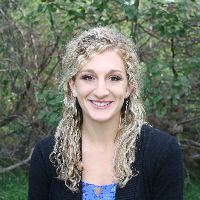
About Samantha
Evans uses a straightforward, strengths-focused style in sessions. She helps people identify what they do well and practice those skills in daily life. Her approach blends practical tools from cognitive behavioral therapy with listening-centered methods that let people speak about what matters to them.
Her background includes a Bachelor of Science from Bemidji State University and a graduate degree in Rehabilitation Counseling from St. Cloud State University, completed in 2016. Early in her career she managed group homes and adult foster care programs and later worked in schools and correctional settings. This gave her experience with adolescents and young adults in varied situations.
She has worked as a school-based CTSS practitioner, an ARMHS worker, and provided individual and group therapy in juvenile detention. She also has national certification in Trauma-Focused Cognitive Behavioral Therapy and has supported crisis response efforts offering assessment and short-term stabilization.
After a period focused on adult mental health case management, she is returning to online practice. She offers a relaxed, goal-oriented manner and commonly draws on CBT, mindfulness, narrative techniques, and motivational interviewing to address everyday problems and trauma-related concerns.
Areas of expertise
Primary focus
Additional focus areas
Therapeutic approaches
Experience
3+ years
Credentials
Minnesota
Languages
English
License and NPI
- LPCC, Minnesota
- No. cc02579
- NPI
- 1326654617
As listed on the therapist's profile; we have not checked them. A license can be checked with the state board, and an NPI in the national registry.
How her approaches translate to online work
Client-Centered Therapy focuses on listening and helping a person lead the conversation. It supports people who need space to talk through what feels hard and to build their own solutions. Cognitive Behavioral Therapy (CBT) emphasizes skills and short-term strategies. It helps with anxiety, depression, and patterns that get in the way of daily functioning by teaching practical techniques to test and change thoughts and behaviors.Choosing the right approach is part of the process. She will work together with each client to decide which methods fit best based on goals, needs, and how someone prefers to work. That collaborative planning can change over time as progress is made.
Confirm the available session options before booking, since specific formats are not listed in the biography. Online work can make it easier to fit therapy into a busy week, avoid travel time, or schedule shorter check-ins when needed. It can also allow people to use tools like CBT exercises or mindfulness practices between sessions to support progress.
Frequently asked questions
What kinds of problems does she help with most often?
She works with stress, anxiety, trauma and abuse, depression, low self-esteem, and life changes, along with relationship and workplace concerns.
What is her general therapy style?
Her style is relaxed and strengths-focused. She helps people notice strengths and practice them in everyday situations.
How much clinical experience does she have?
She has three years of clinical experience as an LPCC and prior work in schools, group homes, and juvenile detention settings.
What are her credentials and location?
She holds the LPCC credential and practices in Minnesota.
Which languages are sessions offered in?
Sessions are offered in English.
Can people outside the United States work with her?
International clients are not currently accepted.
What session formats does she offer?
Confirm current session options before booking, as the biography does not list specific formats here.
How does payment and scheduling work?
Cost varies with location and sessions use a subscription that can be canceled at any time. To begin, complete the short matching questionnaire and schedule a first session.