- Client-Centered Therapy
- Cognitive Behavioral Therapy
- Emotionally-Focused Therapy
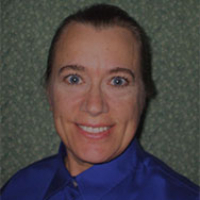
About Tiffany
She describes therapy as driven by what a person brings to sessions. She listens first and follows the topics a person wants to address. Sessions emphasize respect and acceptance while people name what feels most pressing to them.
Her work often involves helping people reduce anxious or depressive symptoms through practical skills and focused conversation. She also supports people dealing with grief, anger, eating concerns, bipolar mood challenges, and compassion fatigue. She frames problems as having layers and helps people look through those layers at a pace they choose.
Tiffany uses a mix of well-known methods. She draws from client-centered approaches, cognitive behavioral ideas, dialectical behavior tools, and emotionally focused ways of understanding relationships. She also brings existential questions into conversations when people want to consider meaning and values.
Her style is straightforward and steady. She encourages people to try strategies in daily life and to report back what worked. The aim is practical progress on issues people name, one step at a time.
Areas of expertise
Primary focus
Also works with
Therapeutic approaches
Experience
22+ years
Credentials
Montana
Languages
English
License and NPI
- LCPC, Montana
- No. BBH-LCPC-LIC-1119
- NPI
- 1669582128
As listed on the therapist's profile; we have not checked them. A license can be checked with the state board, and an NPI in the national registry.
Therapeutic approaches and online sessions
Client-centered work places the person and their concerns at the center of therapy. The counselor listens closely, reflects what is said, and helps people choose which areas to focus on. This approach helps with finding practical next steps when someone feels stuck.Cognitive Behavioral Therapy, or CBT, looks at links between thoughts, feelings, and actions. It uses clear strategies to test unhelpful thinking and to build new coping skills for anxiety, depression, and stress. Dialectical Behavior Therapy, or DBT, adds skills for managing strong emotions, improving distress tolerance, and strengthening relationships when intense feelings get in the way.
Finding the right approach is part of the work. The therapist will help figure out which methods fit a person's goals and preferences. That choice is made together and can change as needs evolve.
Session formats are not specified in the biography, so confirm current options before booking. Online sessions can make it easier to fit therapy into a busy day, reduce travel time, and allow shorter check-ins when needed. Discuss format and scheduling during the matching process to choose what works best for everyday life.
Frequently asked questions
What concerns does she address most often?
She works with people facing trauma and abuse, anxiety, depression, relationship and family stress, grief, parenting challenges, ADHD, eating concerns, bipolar mood issues, anger, and compassion fatigue.
What is her therapeutic style like?
She listens to what a person brings and follows their priorities. Her sessions focus on practical skills and steady, respectful conversation.
How much experience does she have?
She has 22 years of experience in the behavioral health field, including years working directly as a therapist.
What are her credentials and where is she located?
She is an LCPC - Licensed Clinical Professional Counselor based in Montana.
Which languages are supported?
Sessions are offered in English.
Can international clients work with her?
She does not accept international clients at this time.
How are sessions paid for and priced?
Cost varies with location; sessions use a subscription model that can be canceled at any time.
How do I begin working with her?
Select the See online therapy options button, complete the short matching questionnaire, and schedule a first session.