- CBT
- Mindfulness
- Motivational interviewing
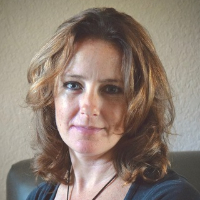
About Tracy
Tracy uses straightforward conversations to identify patterns that keep people feeling stuck. She asks clear questions and works with clients to develop practical steps. Her background combines social work training with personal experience of change, which she says informs how she listens and what she offers in sessions.
Her approach draws on client-centered principles and evidence-informed methods such as cognitive behavioral therapy (CBT), emotionally-focused therapy (EFT), mindfulness therapy, and motivational interviewing. Sessions focus on noticing unhelpful patterns, learning new ways to respond, and building everyday skills for coping and decision making.
Tracy emphasizes collaboration. She partners with clients to set goals and adjust strategies as needed. Sessions include reflection, skill practice, and planning for real-world situations that matter to each person.
People seeking more clarity about relationships, ongoing stress, or the aftereffects of harmful experiences may find the practical focus useful. She practices in Florida and conducts work in English. To begin, prospective clients complete a short matching questionnaire and schedule an initial session.
Areas of expertise
Primary focus
Also works with
Therapeutic approaches
Experience
3+ years
Credentials
Florida
Languages
English
License and NPI
- LCSW, Florida
- No. SW17854
- NPI
- 1184213431
As listed on the therapist's profile; we have not checked them. A license can be checked with the state board, and an NPI in the national registry.
How her main approaches work in online sessions
Client-centered therapy puts the person's experience first. It involves listening without judgment and shaping sessions around what matters most to the client. This approach helps clarify goals and priorities and supports people who want practical, focused conversations.Cognitive behavioral therapy, or CBT, looks at the links between thoughts, feelings, and behaviors. It usually involves identifying unhelpful thinking patterns and practicing specific skills to change reactions. CBT is often used for anxiety, stress, low mood, and problem-solving around daily life challenges.
Emotionally-focused therapy, or EFT, concentrates on emotions in relationships and attachment concerns. It helps people notice and name key feelings and learn new ways to respond that can improve closeness and communication.
Finding the right mix of methods is part of the work. The therapist will discuss goals, try approaches that fit those goals, and adjust methods together based on what helps. That collaboration helps shape individualized session plans.
Session formats are not listed in the biography, so confirm current online options before booking. Many people choose online sessions because they can fit therapy more easily into a busy week, reduce travel time, or pick a shorter check-in when needed. Licensed professionals can use different formats to match someone’s schedule and daily life demands.
Frequently asked questions
What concerns does she focus on?
She works with stress, anxiety, relationship difficulties, self-esteem, career questions, coping with life changes, trauma and abuse, grief, intimacy issues, parenting strain, anger, compassion fatigue, ADHD, and LGBT-related concerns.
What kind of therapy style does she use?
Her style is collaborative and practical, using client-centered conversations alongside methods like CBT, EFT, mindfulness, and motivational interviewing.
How much clinical experience does she have?
She has three years of professional experience as a practicing clinician.
What are her credentials and where does she practice?
She is a FL LCSW, which stands for Licensed Clinical Social Worker in Florida, and she practices in Florida.
Which languages are sessions offered in?
Sessions are offered in English.
Can international clients work with her?
She does not accept international clients at this time.
How are sessions paid for?
Cost varies with location and sessions use a subscription that can be canceled at any time.
How do I start a first session?
Select the See online therapy options button, complete the short matching questionnaire, and schedule the first session.