- Trauma and abuse
- Relationship issues
- Stress and anxiety
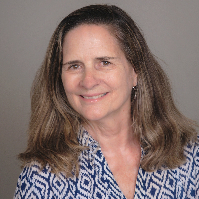
About Deborah
Deborah uses a conversational and interactive style in sessions. She treats the person, not just symptoms, and works together with clients to identify practical steps forward. Her background includes long-term work in community settings, which shaped her focus on real-life skills and problem solving.
Her approach draws on Acceptance and Commitment Therapy, Cognitive Behavioral Therapy, Client-Centered methods, Mindfulness, and Motivational Interviewing. Sessions often include talking through current problems, practicing new ways of responding, and trying short exercises to reduce stress and improve clarity.
Deborah emphasizes collaboration. She helps clients set goals, tests approaches in session, and gives direct feedback and strategies people can use between meetings. That can mean learning tools for managing strong emotions, improving communication, or coping with loss.
She has worked across different community programs and with a range of concerns for two decades. People who choose her often want a straightforward, experienced clinician who mixes practical techniques with reflective conversation.
Areas of expertise
Primary focus
Also works with
Additional focus areas
Therapeutic approaches
Experience
20+ years
Credentials
California
Languages
English
License and NPI
- LMFT, California
- No. 34637
- NPI
- 1972629343
As listed on the therapist's profile; we have not checked them. A license can be checked with the state board, and an NPI in the national registry.
How therapeutic approaches translate to online work
Acceptance and Commitment Therapy (ACT) focuses on helping people notice what matters to them and take small actions toward those values, even when difficult feelings are present. It can help with anxiety, depression, and decisions that feel stuck. Cognitive Behavioral Therapy (CBT) looks at how thoughts, feelings, and behaviors interact and uses practical exercises to change unhelpful patterns; it is often used for anxiety, anger, and low mood. Client-Centered Therapy emphasizes a collaborative relationship and listening that helps people clarify their own goals and solutions.Finding the right approach is part of the work. Deborah will review different methods with each client and decide together which techniques fit the client’s needs, goals, and preferences. That collaborative choice may change over time as progress is made.
The practical benefits of online sessions include easier fitting therapy into a busy week and fewer travel demands. If you are considering sessions, confirm which formats she currently offers before booking. Many people find online meetings useful for regular check-ins, focused skill practice, or shorter follow-ups when life is hectic.
Frequently asked questions
What kinds of problems does she address?
She works with stress, anxiety, grief, anger, low self-esteem, relationship and family concerns, trauma and abuse, depression, ADHD, and related areas like codependency and communication problems.
What is her therapeutic style like?
Her style is interactive and client-centered. She combines conversation with practical tools and short exercises drawn from CBT, ACT, mindfulness, and motivational interviewing.
How long has she been practicing?
She has 20 years of experience working in community mental health settings in California and Florida.
What are her credentials and where is she based?
She is a California Licensed Marriage and Family Therapist (LMFT) and practices in California.
Does she offer sessions in other languages or to international clients?
Sessions are offered in English and she is not accepting international clients at this time.
What session formats does she use?
Confirm current session options before booking, as the biography does not list specific formats. Please check available formats when you schedule.
How does payment and cost work?
Cost varies with location and sessions use a subscription that can be canceled at any time.
How do I get started with her?
Select the See online therapy options button, complete the short matching questionnaire, and schedule your first session.