- Stress and anxiety
- Addictions and substance use
- Cognitive Behavioral Therapy
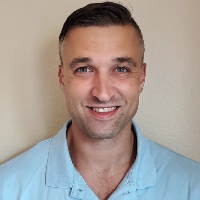
About John
He has spent much of his career supporting active duty service members and their families in areas such as family advocacy, substance use, and psychotherapy. That work included helping with occupational stress, parenting and divorce, depression, anxiety, and family conflict. He also has experience addressing issues related to LGBTQ identity, domestic violence, and child welfare.
John uses several evidence-based techniques to guide sessions. His approach includes Cognitive Behavioral Therapy, Cognitive Processing Therapy, Eye Movement Desensitization Reprocessing, Interpersonal Therapy, and Problem Solving Therapy. In practice he helps people notice unhelpful patterns, test new ways of coping, and process painful experiences.
Therapy sessions aim to be straightforward and honest, with an emphasis on skill building and practical problem solving. He focuses on clear goals such as reducing symptoms, improving relationships, or managing substance use. Work is collaborative and progresses at a pace people feel able to manage.
To begin, prospective clients are asked to use the site matching process. That starts with the See online therapy options button, a short questionnaire, and scheduling a first session. Costs vary with location and use a subscription that can be canceled at any time.
Areas of expertise
Primary focus
Also works with
Experience
11+ years
Credentials
Maryland
Languages
English
License and NPI
- LCSW-C, Maryland
- No. 15697
- NPI
- 1316276280
As listed on the therapist's profile; we have not checked them. A license can be checked with the state board, and an NPI in the national registry.
Therapeutic approaches and how they work online
John uses several evidence-based approaches that aim to reduce symptoms and improve coping. Cognitive Behavioral Therapy helps people identify and change unhelpful thoughts and behaviors; it is often used for anxiety, depression, and stress by teaching practical skills and exercises. Cognitive Processing Therapy focuses on understanding and reframing thoughts related to traumatic events to reduce ongoing distress and improve daily functioning. Eye Movement Desensitization Reprocessing combines focused recall with guided bilateral stimulation to help process distressing memories and reduce their intensity.Finding the right approach is part of the work. He will collaborate with each person to choose techniques that match their needs, goals, and pace. That includes testing methods and adjusting as progress is monitored, so the plan can change as needed.
Session formats are not listed in the biography, so confirm current options before booking. Online sessions can make it easier to fit therapy into a busy life, for example by avoiding travel time, using shorter check-ins when schedules are tight, or choosing audio-only when bandwidth is limited. Licensed professionals can also help structure sessions around work or family commitments to keep progress practical and consistent.
Frequently asked questions
What concerns does he commonly address?
He works with stress, anxiety, addictions, trauma and abuse, parenting, depression, relationship and family concerns, grief, and related issues.
What is his therapeutic style?
Sessions focus on clear, practical steps and skill building. He uses direct conversation and problem solving to address everyday challenges.
How long has he been practicing?
He has 11 years of clinical experience, including several years working with active duty service members and their families.
What are his credentials and where is he based?
He is an LCSW-C licensed in Maryland and practices there.
Which languages are sessions offered in?
Sessions are offered in English.
Does he work with international clients?
He is not currently accepting international clients.
How are sessions arranged and what do they cost?
Costs vary with location and sessions use a subscription that can be canceled at any time.
How do I begin working with him?
Click the See online therapy options button, complete a short matching questionnaire, and schedule a first session.