
Tonia Guzman
LCSW-CMaryland · 12 yrs exp
LCSW-C in Maryland - trauma and mood concerns
Stress, Anxiety · Grief · Self esteem · Depression · +12 more
Read profileTherapist listings come from BetterHelp. If you sign up through our links, we will earn a commission at no extra cost to you.
Compare profiles of therapists who list trauma and abuse as a specialty in Maryland, including focus areas, therapeutic approaches, languages, and credentials. Browse the profiles below to learn more and confirm a clinician's permission to work with you in your listed location.
Maryland · 12 yrs exp
LCSW-C in Maryland - trauma and mood concerns
Stress, Anxiety · Grief · Self esteem · Depression · +12 more
Read profile
Maryland · 8 yrs exp
Licensed counselor - Trauma and family focus
Stress, Anxiety · Family · Trauma and abuse · Parenting · +1 more
Read profile
Maryland · 3 yrs exp
LCSW-C in Maryland - Trauma and anxiety focus
Stress, Anxiety · Relationship · Trauma and abuse · Self esteem · +1 more
Read profile
Maryland · 10 yrs exp
LCPC in Maryland - Trauma and abuse focus
Stress, Anxiety · Relationship · Family · Parenting · +10 more
Read profile
Maryland · 16 yrs exp
LMFT - Trauma and relationship concerns
Stress, Anxiety · Relationship · Self esteem · Bipolar · +9 more
Read profile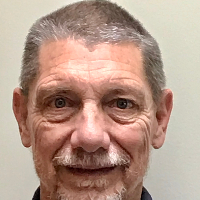
Maryland · 30 yrs exp
Licensed counselor - Trauma and mood concerns
Stress, Anxiety · Trauma and abuse · Anger · Bipolar · +11 more
Read profile
Maryland · 15 yrs exp
LCSW-C in Maryland - Trauma and mood concerns
Stress, Anxiety · Relationship · Trauma and abuse · Bipolar · +1 more
Read profile
Maryland · 5 yrs exp
Licensed social worker - Trauma and family
Relationship · Family · Trauma and abuse · Parenting · +6 more
Read profile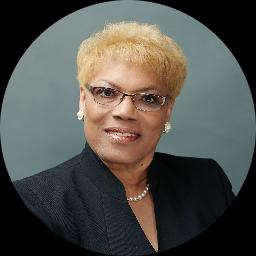
Maryland · 25 yrs exp
LCPC and LPC - Trauma and relationship concerns
Stress, Anxiety · Relationship · Family · Trauma and abuse · +11 more
Read profile
Maryland · 11 yrs exp
Licensed Clinical Professional Counselor - Trauma and mood concerns
Stress, Anxiety · Grief · Depression · Relationship · +5 more
Read profile
Maryland · 19 yrs exp
LCSW-C - Trauma and relationship concerns
Stress, Anxiety · Relationship · Trauma and abuse · Self esteem · +1 more
Read profile
Maryland · 40 yrs exp
LCSW-C in Maryland - trauma and grief focus
Stress, Anxiety · Relationship · Trauma and abuse · Grief · +1 more
Read profile
Maryland · 5 yrs exp
LCSW-C in Maryland - Trauma and relationship concerns
Stress, Anxiety · LGBT · Intimacy-related issues · Self esteem · +7 more
Read profile
Maryland · 30 yrs exp
LCSW-C in Maryland - Trauma and relationship concerns
Stress, Anxiety · Relationship · Trauma and abuse · Depression · +9 more
Read profile
Maryland · 11 yrs exp
Licensed Certified Social Worker - Clinical, Trauma and addiction
Stress, Anxiety · Addictions · Trauma and abuse · Parenting · +14 more
Read profile
Maryland · 20 yrs exp
LCSW-C in Maryland - Trauma and anxiety focus
Stress, Anxiety · Trauma and abuse · Self esteem · Depression · +1 more
Read profile
Maryland · 4 yrs exp
LCSW-C focused on trauma and anxiety
Stress, Anxiety · Trauma and abuse · Addictions · LGBT · +12 more
Read profile
Maryland · 33 yrs exp
Licensed social worker - Trauma and life change
Stress, Anxiety · Trauma and abuse · Grief · Coping with life changes · +10 more
Read profile
Maryland · 14 yrs exp
Licensed Clinical Professional Counselor - Trauma and anxiety
Stress, Anxiety · Family · Trauma and abuse · Coping with life changes · +1 more
Read profile
Maryland · 20 yrs exp
Licensed counselor - Trauma and anxiety
Stress, Anxiety · Trauma and abuse · Self esteem · Depression · +1 more
Read profile
Maryland · 8 yrs exp
LCPC in Maryland - Trauma and abuse, anxiety
Stress, Anxiety · Self esteem · Career · Depression · +12 more
Read profile
Maryland · 8 yrs exp
LCPC in Maryland - Trauma and relationships
Stress, Anxiety · Relationship · Trauma and abuse · Self esteem · +1 more
Read profile
Maryland · 5 yrs exp
LCSW-C LICSW - Trauma and family concerns
Stress, Anxiety · Family · Trauma and abuse · Depression · +1 more
Read profile
Maryland · 19 yrs exp
Licensed Clinical Professional Counselor - Trauma and relationship work
Stress, Anxiety · Relationship · Family · Trauma and abuse · +8 more
Read profileIf you are searching for help after violence, abuse, an accident, or another distressing experience, you may be looking for a therapist who lists trauma and abuse among their specialties in Maryland. Trauma can affect thinking, moods, relationships, work, and sleep in many different ways. Sessions with a clinician can provide a place to talk through reactions, learn skills for coping with distressing memories or triggers, and explore how past experiences affect your present life. A therapist can also help you set goals for what you want from care and work at a pace that feels manageable. Keep in mind that a listed specialty does not guarantee a particular training or therapeutic approach; it simply indicates that the clinician includes trauma and abuse in the areas they work with. If you are worried about immediate danger or suicidal thoughts, call 988 for the Suicide & Crisis Lifeline; call 911 if you are in immediate danger.
Profiles on this directory are grouped under the listed location Maryland, but the presence of a profile in that grouping is not evidence of an office, ongoing in-person work in Maryland, or eligibility for every resident. When you view a profile, check the practitioner’s biography and contact details, and confirm their permission to work with you in your location before proceeding. Professional identities on profiles often show academic degrees such as PhD, PsyD, MD, MA, or MSW. These are important achievements and indicate areas of study, yet a degree alone does not establish current permission to practice. Licenses or registrations are issued by state boards and are the credentials that determine whether someone can practice independently in a given jurisdiction. When reviewing a profile, look for statements about licensure and licensure jurisdiction, and ask the clinician directly about their current license if that information is not clear. Distinguishing degrees from licenses helps you understand who is qualified academically and who is legally permitted to provide services in your area.
Before you contact a clinician, think about the kinds of questions that will help you assess fit. You might ask which populations the therapist works with most often, how they describe their approach to trauma, and whether they have experience addressing issues similar to yours. If you are interested in specific interventions, ask whether the therapist lists EMDR among their approaches or whether they use trauma-focused cognitive behavioral strategies, while remembering that a listing does not equal a certification. You can also inquire about session structure - for example, how a clinician typically organizes a first few sessions or how they support clients who feel overwhelmed during work on difficult memories. Practical questions about language support and cultural competence are also important. Ask if the therapist speaks other languages or has experience working with people from backgrounds like yours. These conversations can give you a clearer sense of whether a clinician’s style and experience match what you need, and they can help you set expectations for how the work might proceed.
If you are considering online sessions, there are specific topics to cover before beginning. Confirm that the therapist has permission to provide services to people located in your state and in your listed location, because licensing rules vary across state lines. Clarify the technologies they use and what to do if a session is interrupted, and ask how they maintain boundaries around appointment times and electronic communication. Discuss any accessibility needs you have and how those will be met through remote sessions. You should also ask how the clinician handles situations when someone is experiencing intense distress during an online appointment and whether they can provide local crisis resources in your area; do not expect the clinician to offer emergency response services. It is reasonable to ask, "Who would you recommend I contact locally if I need immediate help?" or "How will we manage an interrupted session so I do not feel left without support?" These practical questions help you feel more informed and in control when starting care over video or phone.
When you scan profiles in Maryland, compare the ways clinicians describe their focus areas and therapeutic style. Some profiles emphasize work with survivors of interpersonal violence, others highlight support after accidents or sudden loss, and others may focus on long-term effects such as changes in relationships or mood. Look at how practitioners describe the populations they work with and whether they mention age ranges, cultural backgrounds, or community contexts that align with your needs. Language access is a key factor for many people; if you prefer to work in a language other than English, check profiles for language information and ask about interpretation options if needed. In addition to degrees like MSW or PhD, pay attention to the jurisdictions listed for licensure and confirm that the clinician currently has permission to practice in your location. Consider the clinician’s stated approach and whether they list specific approaches; you can frame questions such as, "How do you typically integrate the approaches you list when working with trauma?" and "How would you adapt your approach if I felt overwhelmed during a session?" Finally, think about interpersonal style - whether a clinician describes a directive, collaborative, or exploratory stance - and ask for an initial conversation to get a sense of fit. Your comfort with the clinician’s communication and approach is an essential part of effective work, so allow yourself to take time comparing profiles and asking questions until you feel ready to reach out.
Browsing profiles is an important step in finding a clinician whose focus and style align with your needs. Always confirm a clinician’s permission to work with you in your listed location and clarify any questions you have about credentials, languages, and approach before beginning care. If you are in crisis or at risk, call 988 for immediate support from the Suicide & Crisis Lifeline; call 911 if you are in immediate danger. If you prefer, start with a brief introductory conversation to learn whether a clinician’s way of working will feel like a fit. You deserve care that meets you where you are, and taking these steps can help you make informed choices as you look for the right match in Maryland.
Addictions
1581 therapists
ADHD
1412 therapists
Anger
2045 therapists
Bipolar
1201 therapists
Control Issues
1017 therapists
Depression
3301 therapists
Grief
1847 therapists
Guilt and Shame
1913 therapists
Intimacy Issues
1359 therapists
Isolation / Loneliness
1594 therapists
Panic Disorder and Panic Attacks
1023 therapists
Post-Traumatic Stress
1738 therapists
Self Esteem
3152 therapists
Social Anxiety and Phobia
1541 therapists
Stress & Anxiety
3670 therapists
Abandonment
1005 therapists
Attachment Issues
1161 therapists
Blended Family Issues
852 therapists
Career
1614 therapists
Caregiver Issues and Stress
1170 therapists
Coaching
873 therapists
Codependency
1016 therapists
Communication Problems
2221 therapists
Compassion Fatigue
1461 therapists
Coping with Life Changes
2662 therapists
Divorce
1202 therapists
Family
2379 therapists
Family of Origin Issues
881 therapists
Forgiveness
1652 therapists
Life Purpose
1908 therapists
Parenting
1949 therapists
Relationship
2845 therapists
Self-Love
2076 therapists
Workplace Issues
1076 therapists
This directory is not a crisis line or an emergency service. These lines are free and open day and night.