- Addictions
- Relationship issues
- Trauma and abuse
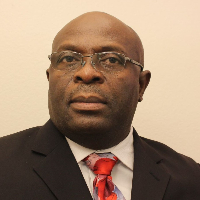
About John
John uses straightforward conversation and practical strategies in sessions. He blends cognitive-behavioral work with motivational interviewing and draws on relationship-focused approaches when needed. Sessions focus on what is most urgent for the client and on small steps that can make daily life easier.
People come to him for help with grief, anger, self-esteem struggles, sleep and eating concerns, parenting stress, career questions, and coping with life changes. He also addresses communication problems, control issues, and drug and alcohol addiction. This includes supporting those dealing with compassion fatigue and coaching for clearer goals.
His style is interactive and respectful. He avoids labels and centers conversations on strengths and options people can try between sessions. That means practical tools, behavioral experiments, and grounded reflection rather than abstract theory.
Sessions often include skills practice and problem-solving alongside talking. When relationships are part of the concern, he uses emotionally-focused and Imago-informed methods to help people identify patterns and try different approaches. John helps clients build plans they can use after therapy ends.
Areas of expertise
Primary focus
Also works with
Additional focus areas
Therapeutic approaches
Experience
10+ years
Credentials
Texas
Languages
English
License and NPI
- LPC, Texas
- No. 75931
- NPI
- 1780297770
As listed on the therapist's profile; we have not checked them. A license can be checked with the state board, and an NPI in the national registry.
How therapeutic approaches guide online sessions
Client-Centered Therapy focuses on listening and reflecting. The therapist follows the client's lead, helps clarify goals, and supports choices that feel manageable. Cognitive Behavioral Therapy (CBT) teaches practical strategies to change unhelpful thoughts and behaviors, which can help with anxiety, depression, and problems like sleep or eating. Emotionally-Focused Therapy (EFT) concentrates on patterns in close relationships, helping people notice feelings and try new ways of connecting.Finding the right mix of approaches is part of the work. The therapist will talk with the client about goals and preferences and then recommend methods to try. This is a collaborative process and plans can be adjusted as progress is made.
Confirm the available online session formats before booking because the biography does not list specific options. Online sessions can make it easier to fit therapy into a busy life, cut travel time, or allow a shorter check-in when schedules are tight. Therapists often adapt exercises, worksheets, and behavioral tasks so they work over distance and during ordinary weekdays and evenings.
Frequently asked questions
What kinds of problems does he work with most often?
He works with depression, anxiety, addictions, relationship concerns, trauma and abuse, grief, anger, self-esteem, and stress among other issues.
What is his therapeutic approach like?
He uses client-centered conversation alongside cognitive behavioral techniques and motivational interviewing. He also brings in emotionally-focused and Imago-informed approaches for relationship concerns.
How long has he been practicing?
He has 10 years of experience working as a therapist and life coach in clinical and coaching roles.
What are his credentials and where is he located?
He holds the LPC credential and is licensed in Texas.
What languages are supported and can international clients work with him?
Sessions are offered in English. He does not accept international clients at this time.
Which session formats does he offer?
Confirm current session options before booking, as the biography does not list specific formats.
How does payment and cost work?
Cost varies with location and sessions use a subscription that can be canceled at any time.
What are the first steps to get started?
Select the See online therapy options button, complete the short matching questionnaire, and schedule a first session.