
Deborah Whalen
LCSW-R, LCSWNew Mexico · 25 yrs exp
Licensed Clinical Social Worker - Trauma and family concerns
Family · Trauma and abuse · Intimacy-related issues · Eating · +1 more
Read profileTherapist listings come from BetterHelp. If you sign up through our links, we will earn a commission at no extra cost to you.
This page groups profiles of counselors who list Control Issues alongside trauma and abuse among their focuses. Visitors can compare listed location, languages, credentials, and therapeutic approaches to identify profiles that may match their needs. Browse the profiles below to learn more about each counselor and what they list on their profile.
New Mexico · 25 yrs exp
Licensed Clinical Social Worker - Trauma and family concerns
Family · Trauma and abuse · Intimacy-related issues · Eating · +1 more
Read profile
North Carolina · 30 yrs exp
LCSW - Trauma and relationship concerns
Stress, Anxiety · Relationship · Family · Parenting · +10 more
Read profile
Missouri · 27 yrs exp
Licensed Professional Counselor - Trauma and anxiety
Stress, Anxiety · Grief · Self esteem · Depression · +15 more
Read profile
Colorado · 3 yrs exp
Licensed Professional Counselor - Trauma and relationship support
Stress, Anxiety · Relationship · Trauma and abuse · Self esteem · +1 more
Read profile
Indiana · 7 yrs exp
LMHC - Stress and trauma support
Stress, Anxiety · Relationship · Trauma and abuse · Self esteem · +1 more
Read profile
California · 14 yrs exp
Licensed counselor - Trauma and relationships
Stress, Anxiety · Relationship · Family · Intimacy-related issues · +9 more
Read profile
Illinois · 7 yrs exp
Illinois LCPC - Trauma and relationship work
Stress, Anxiety · Relationship · Trauma and abuse · Self esteem · +1 more
Read profile
Ohio · 16 yrs exp
Ohio LISW - Trauma and abuse, grief support
Stress, Anxiety · Grief · Self esteem · Depression · +10 more
Read profile
Texas · 18 yrs exp
LPC in Texas - Trauma and addiction focus
Stress, Anxiety · Addictions · LGBT · Relationship · +14 more
Read profile
California · 8 yrs exp
Licensed Marriage and Family Therapist - Relationships and Trauma
Relationship · Trauma and abuse · Self esteem · Depression · +1 more
Read profile
Virginia · 7 yrs exp
Licensed Professional Counselor - Relationships and Trauma
Relationship · Trauma and abuse · Grief · Self esteem · +1 more
Read profile
Nebraska · 25 yrs exp
Licensed Mental Health Practitioner - Trauma and family concerns
Addictions · Grief · Self esteem · Depression · +15 more
Read profile
New York · 4 yrs exp
Licensed Mental Health Counselor - Trauma and Anxiety
Stress, Anxiety · Trauma and abuse · Self esteem · Career · +1 more
Read profile
North Carolina · 5 yrs exp
Licensed Clinical Social Worker - Trauma and addictions
Stress, Anxiety · Addictions · Trauma and abuse · Self esteem · +1 more
Read profile
South Dakota · 12 yrs exp
Clinical social worker - Trauma and addictions
Addictions · Trauma and abuse · Anger · Depression · +8 more
Read profile
Texas · 25 yrs exp
Licensed Professional Counselor - Relationships and Trauma
Relationship · Family · Grief · Coping with life changes · +12 more
Read profile
Mississippi · 20 yrs exp
MS LPC - Trauma and abuse, Anxiety and mood concerns
Stress, Anxiety · Addictions · Trauma and abuse · Anger · +14 more
Read profile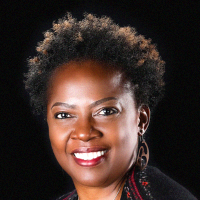
South Carolina · 8 yrs exp
Licensed Professional Counselor - Trauma and relationships
Stress, Anxiety · Relationship · Family · Coping with life changes · +11 more
Read profile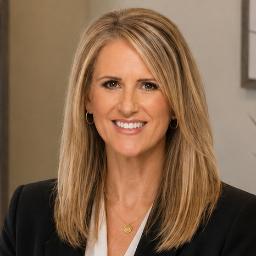
Texas · 13 yrs exp
Licensed Professional Counselor - Trauma and relationships
Stress, Anxiety · Relationship · Trauma and abuse · Depression · +1 more
Read profile
Texas · 9 yrs exp
Licensed Clinical Social Worker - Trauma and Addictions
Addictions · Trauma and abuse · Grief · Self esteem · +11 more
Read profile
California · 8 yrs exp
Licensed Clinical Social Worker - Trauma and abuse
Stress, Anxiety · Relationship · Self esteem · Career · +9 more
Read profile
Illinois · 30 yrs exp
Licensed Clinical Professional Counselor - Family and Trauma
Family · Trauma and abuse · Grief · Depression · +7 more
Read profile
Indiana · 7 yrs exp
LCSW - Trauma and relationship concerns
Stress, Anxiety · Family · Trauma and abuse · Depression · +6 more
Read profile
Oklahoma · 37 yrs exp
Licensed counselor - Trauma and mood concerns
Stress, Anxiety · Anger · Self esteem · Depression · +14 more
Read profileWhen control issues appear after an upsetting event, they can take many forms. You might notice a strong need to predict or manage every detail of day-to-day life, difficulty trusting others with decisions, or a tendency to withdraw from relationships rather than risk feeling out of control. These responses can follow experiences of violence, abuse, accidents, or other traumatic events. Descriptions of aftermaths should avoid graphic detail, so you will often see language about impact rather than events themselves. Go at your own pace when reading profiles and when speaking with a counselor about sensitive material.
Many people look for a counselor because they want to understand patterns and find ways to feel more grounded. Profiles in this directory list areas of focus and approaches that practitioners use or prefer; that listing does not prove a particular credential or outcome. A trauma specialty listed in a profile is not evidence of training in a named trauma therapy such as EMDR or trauma-focused CBT. Use profiles as a starting point to learn what a counselor emphasizes and to prepare questions for a first conversation.
If you are in immediate danger, call 911. For suicidal crisis or mental health emergency, dial 988. This directory does not provide emergency or safety-planning services; if you need immediate support, contact local emergency services or crisis lines.
Control issues can be related to trauma and abuse but they do not always stem from the same source. Some people connect control struggles directly to a history of harm, while others experience them as part of anxiety, personality traits, or responses to life stressors. Profiles in this directory show which counselors list trauma and abuse among their focuses and which also list control issues. That overlap signals that a practitioner has chosen to highlight both areas on their profile, not that there is a universal causal link.
When exploring profiles, pay attention to how a counselor describes their focus. Some practitioners will note experience working with the emotional aftermath of abuse or with survivors of violence. Others may frame their work around boundaries, coping skills, or relational patterns. Therapists who list EMDR among their approaches may also list other methods such as mindfulness-based interventions, psychodynamic work, or cognitive approaches. These listings are options to discuss with a counselor rather than guarantees of practice. You should ask directly about how a therapist understands the relationship between control behaviors and trauma in order to gauge whether their perspective aligns with what you want to explore.
Before contacting someone, prepare clear, specific questions that will help you compare profiles. Ask whether the counselor lists particular client groups on their profile and what they mean by those descriptions. You can ask which issues they commonly address when a profile mentions control issues and whether they describe their work as short-term problem-focused support or longer-term exploration of patterns. Ask if they list any therapeutic approaches on their profile and what a typical session might emphasize. For example, you might say, "I saw that you list EMDR among your approaches; how do you integrate that with other work when addressing control concerns?" This phrasing treats modality listings as conversation starters rather than qualifications.
Also ask concrete questions about experience: how long they have worked with adults who describe control problems after abuse, what age range they list on their profile, and which languages they provide sessions in. If a profile lists degrees such as PhD, PsyD, MD, MA, or MSW, remember that a degree name is not the same as a current license to practice. Request clarification about licensure and whether they are permitted to work with clients in your state or listed location. These specific inquiries will give you clearer information than general questions about background.
If you plan to meet remotely, raise practical and clinical topics early. Ask about the technology they use, what to do if a session is interrupted, and how they handle record keeping and privacy. You can ask whether they list any limits to online work on their profile, such as restrictions by jurisdiction or settings they do not work with. Confirm whether they have permission to provide services to people in your state or listed location so there are no surprises later. Discuss how you will manage distress during or between sessions and whether they have procedures they recommend if you feel overwhelmed.
Talk through expectations for pacing and emotional intensity. Let a prospective counselor know if you prefer a slower approach that prioritizes stabilization and skills before exploring painful memories, or if you are looking to focus on specific patterns and decisions that affect your daily life. You can ask how they typically support clients who need grounding techniques or boundary-building practice. Be explicit about any safety concerns and about who you will contact instead of the therapist if there is an immediate danger. If you are in immediate danger, call 911; if you are facing a suicidal crisis or mental health emergency, dial 988.
When you compare profiles, read beyond a single keyword. Look at the combination of focus areas a counselor lists, such as control issues alongside trauma and abuse, and note whether they describe particular populations or approaches. Check the languages they list to ensure you can communicate in the language you prefer. If a profile includes academic degrees, you will see terms like PhD, PsyD, MD, MA, or MSW; degrees describe education but do not confirm current permission to practice. Ask whether the counselor holds an active license or registration in the states where you might receive services and request the appropriate licensing board information if you want to verify that independently.
Assess style through the language used on the profile. Some counselors describe a more directive approach focused on skills and decision-making. Others present an exploratory style that emphasizes understanding patterns across relationships and time. Consider which description resonates with your needs and prepare questions that probe real-world practice, such as asking what a typical early session looks like or how follow-up is handled. Remember that listings of approaches and focus areas are prompts for conversation. Use profiles to narrow your search, then reach out with targeted questions to determine whether a counselor's stated focus, communication style, and jurisdictional permissions match what you need.
Ultimately, this directory helps you identify and compare counselors who list Control Issues in the context of trauma and abuse. Use profiles to prepare specific questions, verify licensure and permission to practice in your location, and establish the practical arrangements and clinical priorities that make you comfortable moving forward at your own pace.
Alabama
64 therapists
Alaska
10 therapists
Arizona
57 therapists
Arkansas
26 therapists
California
352 therapists
Colorado
102 therapists
Connecticut
42 therapists
Delaware
13 therapists
District of Columbia
11 therapists
Florida
421 therapists
Georgia
132 therapists
Hawaii
14 therapists
Idaho
23 therapists
Illinois
158 therapists
Indiana
55 therapists
Iowa
12 therapists
Kansas
25 therapists
Kentucky
56 therapists
Louisiana
77 therapists
Maine
23 therapists
Maryland
70 therapists
Massachusetts
60 therapists
Michigan
130 therapists
Minnesota
48 therapists
Mississippi
42 therapists
Missouri
94 therapists
Montana
23 therapists
Nebraska
16 therapists
Nevada
28 therapists
New Hampshire
13 therapists
New Jersey
82 therapists
New Mexico
29 therapists
New York
218 therapists
North Carolina
159 therapists
North Dakota
5 therapists
Ohio
109 therapists
Oklahoma
73 therapists
Oregon
30 therapists
Pennsylvania
140 therapists
Rhode Island
8 therapists
South Carolina
78 therapists
South Dakota
10 therapists
Tennessee
76 therapists
Texas
441 therapists
Utah
26 therapists
Vermont
10 therapists
Virginia
83 therapists
Washington
58 therapists
West Virginia
8 therapists
Wisconsin
69 therapists
Wyoming
4 therapists
This directory is not a crisis line or an emergency service. These lines are free and open day and night.