- Person-centered approach
- EMDR and CBT
- Substance use focus
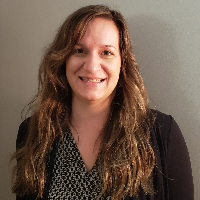
About Leslie
Leslie draws from an existential outlook that treats life’s struggles as part of a search for meaning. She uses a person-centered approach to focus on the client’s goals. That often means short-term, solution-focused steps alongside deeper insight work.
She also incorporates Cognitive Behavioral Therapy (CBT), Eye Movement Desensitization and Reprocessing (EMDR), mindfulness, and motivational interviewing when they fit the needs of the person in front of her. Those methods can help with changing unhelpful thoughts, managing stress, and processing traumatic memories.
Leslie has a background in substance use counseling and has worked extensively with co-occurring conditions such as bipolar disorder, ADHD, and PTSD. She recognizes that strong emotions can come up during therapy and encourages allowing those feelings to be part of the process instead of avoiding them.
To start, she asks clients to identify concrete goals and then works collaboratively to reach them. Her style mixes practical coping skills with conversations that aim to create more meaning and resilience in everyday life.
Areas of expertise
Primary focus
Also works with
Additional focus areas
Therapeutic approaches
Experience
10+ years
Credentials
North Carolina
Languages
English
License and NPI
- LCMHC, North Carolina
- No. 11352
- NPI
- 1063820025
As listed on the therapist's profile; we have not checked them. A license can be checked with the state board, and an NPI in the national registry.
How Leslie blends approaches for online work
Leslie commonly uses Client-Centered Therapy, Cognitive Behavioral Therapy (CBT), and Eye Movement Desensitization and Reprocessing (EMDR) in her practice. Client-centered work focuses on the person’s own goals and priorities, helping them name what matters most. CBT looks at thoughts and behaviors and offers practical techniques to reduce anxiety, manage mood, and address unhelpful patterns. EMDR is used to help people process distressing memories and the emotions attached to them when that approach fits the person’s needs.Finding the right approach is part of the process. Leslie will talk with each person about goals, preferences, and what has or hasn’t worked before. She treats the choice of methods as collaborative, adjusting strategies as progress and feedback guide the work.
If you plan to use online sessions, confirm the exact session options before booking. Different formats can make sessions easier to fit into a busy life - for example, shorter phone check-ins when time is tight, video sessions for fuller face-to-face conversation, or flexible scheduling to work around work or caregiving responsibilities. Talk with her about which option would best match your daily routine and therapeutic goals.
Frequently asked questions
What kinds of concerns does she address?
She works with addictions, trauma and abuse, anxiety, depression, bipolar disorder, ADHD, grief, anger, and related life stresses.
What is her therapeutic style?
Her orientation is existential with a person-centered focus. She blends insight-oriented work with brief, solution-focused goals.
How much clinical experience does she have?
She has ten years of experience, with a history of working as a substance use counselor and with co-occurring disorders.
What are her credentials and where does she practice?
She holds the LCMHC credential and practices in North Carolina.
Which languages are supported for sessions?
Sessions are offered in English.
Does she work with international clients?
She does not accept international clients at this time.
How are sessions paid for and what about cost?
Cost varies with location and sessions use a subscription that can be canceled at any time.
How do I begin working with her?
Select the See online therapy options button, complete the short matching questionnaire, and schedule a first session.