- Addictions
- Trauma and abuse
- EMDR
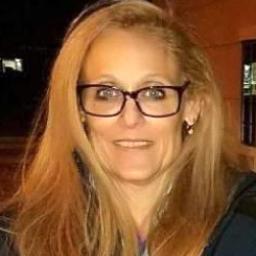
About Mary
Mary draws on several evidence-based methods to guide her work. She uses Cognitive Behavioral Therapy (CBT) to help people change unhelpful thinking and behavior. Acceptance and Commitment Therapy (ACT) is part of her approach when someone wants to work on values and committed action. She also uses Eye Movement Desensitization and Reprocessing (EMDR) for trauma-related distress when appropriate.
Her background includes long experience in behavioral health and substance use settings. She has worked with veterans and first responders, and has spent part of her career in community mental health. That history informs how she helps people manage relapse, process loss, and rebuild routines.
Mary describes her style as straightforward and flexible. She aims to build trust quickly and to combine practical work with moments of relief. Clients can expect goal-focused therapy that addresses triggers, intense feelings, and behavior patterns.
Practical matters are part of the plan. Cost varies by location and sessions use a subscription that can be canceled at any time. To begin, a person selects the See online therapy options button, completes a short matching questionnaire, and schedules a first session.
Areas of expertise
Primary focus
Also works with
Additional focus areas
Therapeutic approaches
Experience
35+ years
Credentials
Illinois
Languages
English
License and NPI
- LCPC, Illinois
- No. 180006589
- NPI
- 1942235395
As listed on the therapist's profile; we have not checked them. A license can be checked with the state board, and an NPI in the national registry.
How her approaches are delivered online
Mary commonly uses Acceptance and Commitment Therapy, Client-Centered Therapy, and Eye Movement Desensitization and Reprocessing in her clinical work. ACT helps people clarify what matters to them and take small actions toward those values. Client-Centered Therapy focuses on building trust, listening closely, and letting the client guide the pace of work. EMDR is a trauma-focused method used to reduce distress tied to upsetting memories when that is part of the treatment plan.Deciding which approach to use is part of the first sessions. The therapist and client will talk about goals, symptoms, and preferences, then try methods that fit the person’s needs. That collaborative process means the approach can shift over time as progress and challenges become clearer.
Session formats are not specified in the biography, so confirm current online session options before booking. Online work can make it easier to fit therapy into a busy life - for example, sessions can be scheduled during a lunch break or while traveling, and some formats require less bandwidth or camera use when needed. Therapists and licensed professionals often adapt exercises and tools so they work over distance, while focusing on the same practical goals used in in-person care.
Frequently asked questions
What concerns does she address most often?
She works with addictions, depression, bipolar conditions, relationship problems, grief, and trauma and abuse among other issues.
What is her general therapeutic approach?
She combines client-centered work with evidence-based methods like CBT, ACT, and EMDR to focus on practical change and coping skills.
How much clinical experience does she have?
She has 35 years of experience in behavioral health, substance use treatment, and community mental health settings.
What credential does she hold and where does she practice?
She is an Illinois Licensed Clinical Professional Counselor (LCPC) and practices in Illinois.
Which languages are sessions offered in?
Sessions are offered in English.
Can people from other countries work with her?
She does not accept international clients at this time.
How are sessions paid for?
Cost varies by location and sessions use a subscription model that can be canceled at any time.
How do I start working with her?
Select the See online therapy options button, complete the short matching questionnaire, and schedule a first session.