- Trauma and abuse
- Addictions support
- Stress and anxiety
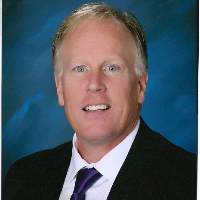
About Michael
He focuses on clear, practical conversations. Sessions include direct problem-solving, skill building, and time to talk about what feels most pressing. Michael avoids stigmatizing labels and treats people with respect and sensitivity while keeping work focused on real-world goals.
His background spans long-term counseling with adults who struggle with substance issues and patterns rooted in early family experiences. He draws on approaches that combine thinking-focused strategies and emotion-focused work. That mix is intended to help people manage symptoms and improve how they relate to others.
In sessions he uses tools from Cognitive Behavioral Therapy to spot unhelpful thinking and from Acceptance and Commitment Therapy to identify valued directions and small steps toward them. He also uses Client-Centered and Emotionally-Focused ideas to address attachment and relationship concerns, and Dialectical Behavior Therapy skills when emotional regulation is a problem.
People who want straightforward guidance and an interactive style can expect focused sessions that emphasize skills, reflection, and practical next steps. To begin, clients complete a short questionnaire and schedule an initial appointment to clarify goals and plan the first phase of work.
Areas of expertise
Primary focus
Also works with
Additional focus areas
Therapeutic approaches
Experience
27+ years
Credentials
Washington
Languages
English
License and NPI
- LMHC, Washington
- No. LH00004980
- NPI
- 1801118518
As listed on the therapist's profile; we have not checked them. A license can be checked with the state board, and an NPI in the national registry.
How his approaches are used in online sessions
Acceptance and Commitment Therapy (ACT) helps people clarify what matters to them and take small steps toward those values while learning to accept difficult thoughts and feelings. ACT is often useful for anxiety, stress, and life changes where moving toward goals matters more than eliminating every uncomfortable thought. Cognitive Behavioral Therapy (CBT) focuses on identifying and changing unhelpful thinking and behavior patterns, with practical exercises that reduce anxiety and depressive symptoms. Client-Centered therapy emphasizes listening, reflection, and building a working relationship that lets people explore attachment and relationship concerns.Finding the right approach is part of the work. The therapist will talk with the client about symptoms, goals, and preferences, then suggest which methods to try first. That plan can be adjusted over time based on what helps and what feels manageable.
Confirm current session formats before booking since specific formats are not listed in the biography. Online work can make it easier to fit sessions into a day by removing travel, allowing shorter check-ins when schedules are tight, and offering options for sessions that do not require being on camera. Licensed professionals can still use the clinical tools above through distance sessions, and practical skill-building and reflective conversation translate well to remote care.
Frequently asked questions
What concerns does he address most often?
He works with stress, anxiety, depression, addictions, trauma and abuse, parenting and relationship concerns, plus workplace and life-change issues.
What therapeutic style does he follow?
He uses a mix of approaches including cognitive-behavioral, Acceptance and Commitment Therapy, Client-Centered, Emotionally-Focused, and Dialectical Behavior Therapy skills to match specific needs.
How much experience does he have?
He has 27 years of experience working as a counselor with adults on a range of concerns including addiction and trauma-related issues.
Where is he licensed and practicing?
He is a Washington LMHC - Licensed Mental Health Counselor - practicing in the state of Washington.
What languages are sessions offered in?
Sessions are offered in English.
Does he work with international clients?
He does not accept international clients at this time.
How are sessions billed or priced?
Cost varies with location; sessions are provided through a subscription model that can be canceled at any time.
How do I start a first appointment?
Select the See online therapy options button, complete a short matching questionnaire, and schedule your initial session to begin.