
Deborah Whalen
LCSW-R, LCSWNew Mexico · 25 yrs exp
Licensed Clinical Social Worker - Trauma and family concerns
Family · Trauma and abuse · Intimacy-related issues · Eating · +1 more
Read profileTherapist listings come from BetterHelp. If you sign up through our links, we will earn a commission at no extra cost to you.
This page groups profiles of clinicians who list trauma, abuse, and divorce among their focus areas. Visitors may compare listed locations, approaches, languages, degrees, and therapy focus to identify profiles that match their needs. Browse the profiles below to learn more about individual practitioners and their approaches.
New Mexico · 25 yrs exp
Licensed Clinical Social Worker - Trauma and family concerns
Family · Trauma and abuse · Intimacy-related issues · Eating · +1 more
Read profile
Oklahoma · 10 yrs exp
Licensed Professional Counselor - Trauma and relationships
Stress, Anxiety · Relationship · Family · Trauma and abuse · +1 more
Read profile
Missouri · 27 yrs exp
Licensed Professional Counselor - Trauma and anxiety
Stress, Anxiety · Grief · Self esteem · Depression · +15 more
Read profile
Indiana · 7 yrs exp
LMHC - Stress and trauma support
Stress, Anxiety · Relationship · Trauma and abuse · Self esteem · +1 more
Read profile
California · 14 yrs exp
Licensed counselor - Trauma and relationships
Stress, Anxiety · Relationship · Family · Intimacy-related issues · +9 more
Read profile
Illinois · 7 yrs exp
Illinois LCPC - Trauma and relationship work
Stress, Anxiety · Relationship · Trauma and abuse · Self esteem · +1 more
Read profile
Ohio · 16 yrs exp
Ohio LISW - Trauma and abuse, grief support
Stress, Anxiety · Grief · Self esteem · Depression · +10 more
Read profile
Iowa · 3 yrs exp
LISW - Trauma and anxiety focused
Stress, Anxiety · LGBT · Trauma and abuse · Parenting · +1 more
Read profile
Texas · 18 yrs exp
LPC in Texas - Trauma and addiction focus
Stress, Anxiety · Addictions · LGBT · Relationship · +14 more
Read profile
Virginia · 7 yrs exp
Licensed Professional Counselor - Relationships and Trauma
Relationship · Trauma and abuse · Grief · Self esteem · +1 more
Read profile
Nebraska · 25 yrs exp
Licensed Mental Health Practitioner - Trauma and family concerns
Addictions · Grief · Self esteem · Depression · +15 more
Read profile
New York · 4 yrs exp
Licensed Mental Health Counselor - Trauma and Anxiety
Stress, Anxiety · Trauma and abuse · Self esteem · Career · +1 more
Read profile
North Carolina · 5 yrs exp
Licensed Clinical Social Worker - Trauma and addictions
Stress, Anxiety · Addictions · Trauma and abuse · Self esteem · +1 more
Read profile
Texas · 25 yrs exp
Licensed Professional Counselor - Relationships and Trauma
Relationship · Family · Grief · Coping with life changes · +12 more
Read profile
Mississippi · 20 yrs exp
MS LPC - Trauma and abuse, Anxiety and mood concerns
Stress, Anxiety · Addictions · Trauma and abuse · Anger · +14 more
Read profile
South Carolina · 8 yrs exp
Licensed Professional Counselor - Trauma and relationships
Stress, Anxiety · Relationship · Family · Coping with life changes · +11 more
Read profile
Texas · 35 yrs exp
LCSW in Texas - Trauma and mood concerns
Trauma and abuse · Anger · Self esteem · Depression
Read profile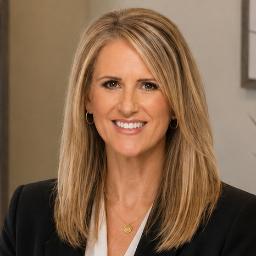
Texas · 13 yrs exp
Licensed Professional Counselor - Trauma and relationships
Stress, Anxiety · Relationship · Trauma and abuse · Depression · +1 more
Read profile
California · 8 yrs exp
Licensed Clinical Social Worker - Trauma and abuse
Stress, Anxiety · Relationship · Self esteem · Career · +9 more
Read profile
Florida · 26 yrs exp
LMFT - Trauma and family concerns
Stress, Anxiety · Relationship · Family · Parenting · +9 more
Read profile
Pennsylvania · 16 yrs exp
Licensed Professional Counselor - Trauma and relationship work
Stress, Anxiety · Relationship · Family · Trauma and abuse · +11 more
Read profile
Georgia · 9 yrs exp
LCSW - Stress and trauma focused
Stress, Anxiety · Relationship · Trauma and abuse · Parenting · +1 more
Read profile
Alabama · 14 yrs exp
LICSW - Family and trauma support
Family · Trauma and abuse · Intimacy-related issues · Parenting · +1 more
Read profile
Mississippi · 11 yrs exp
LMFT - Relationships and Family
Relationship · Family · Stress, Anxiety · Addictions · +14 more
Read profileDivorce can bring a wide range of emotional and practical challenges, and those challenges often intersect with prior or new traumatic experiences such as abuse, violence, or accidents. You may be dealing with intense grief, a loss of identity, financial stress, parenting transitions, or reminders of past harm. Those experiences can make it harder to focus, regulate emotions, or make choices that feel clear. A recognition that divorce can be experienced as a kind of trauma for some people helps you frame what to look for in a practitioner rather than assuming one path is right for everyone.
When you explore profiles, you might find clinicians who list trauma and abuse alongside divorce as focus areas. That listing signals an interest in working with people encountering these issues, but it does not describe specific training, licensure status, or outcomes. You can use a profile to learn about listed approaches, degrees, languages, and the kinds of populations the clinician indicates they work with. As you consider next steps, allow yourself to move at a pace that feels manageable and prioritize immediate safety first. If you are in crisis, call 988 for crisis resources; if you are in immediate danger, call 911.
Divorce and trauma are distinct concerns, but they often overlap. Separation may uncover or intensify symptoms related to past abuse, provoke anxiety about future safety, or create new stressors that resemble trauma responses. It is important not to presume that divorce caused a trauma history or that every clinician who lists divorce works exclusively on separation-related issues. The directory groups profiles where practitioners have indicated divorce among their focus areas so you can find clinicians who explicitly acknowledge this work as part of their practice.
When reading profiles, notice how divorce is described relative to trauma and abuse. Some clinicians describe working with grief and loss, others note experience supporting people through co-parenting negotiations or emotional aftermaths of relationship violence. Pay attention to language about populations served and the kinds of concerns listed. Profiles are a starting point for questions you will want to ask directly of a clinician about how they approach overlapping issues of separation, safety, and trauma recovery.
Preparing a set of direct questions helps you compare practitioners in a meaningful way. You might ask, Do you have experience supporting people after separation who also report histories of abuse or violence? How do you describe your approach when someone comes in with both divorce-related distress and trauma symptoms? What specific strategies do you typically discuss first to help people manage intense emotions or sleep disruption? Those are practical queries that invite a clinician to explain how they tailor care.
Ask about approaches but frame them as options rather than guarantees. You could ask, What is your experience with therapists who list EMDR among their approaches or with clinicians who list somatic methods, narrative approaches, or cognitive-behavioral strategies? How do you decide whether a particular approach might be a fit for an individual client? Also ask about work with related issues - for example, separation-related parenting stress, financial strain, or legal system involvement - and how those concerns are integrated into sessions. These questions will help you assess whether a practitioner’s stated focus aligns with the kinds of support you want.
If you are considering remote care, there are specific topics to cover so you understand how the clinician addresses practical and safety-related matters. Ask how the clinician handles communication between sessions, what steps they take to protect personal information and session notes, and what technology platforms they prefer. It is reasonable to request clarity about how they manage time-zone differences, what to do if a session is interrupted, and how follow-up is handled when you are experiencing intense distress between meetings.
Before beginning remote work, confirm the clinician’s permission to practice in your listed location and verify any licensure required to provide care where you live. Distinguish academic degrees from professional licensure in these conversations - a PhD, PsyD, MD, MA, or MSW describes education, while things like state licensure or registration indicate legal permission to practice. A degree alone does not establish current authorization to deliver care in your area. If safety is a concern, discuss what local resources the clinician recommends and how they will respond if you indicate immediate risk. Remember that a profile can prompt these discussions but cannot substitute for direct verification of current credentials or scope of practice.
Profiles can be scanned for clues about who might be a good fit, but meaningful comparison happens through careful questions and reflection. Look for how clinicians describe their focus areas - does the profile mention divorce alongside trauma and abuse, or are those listed separately? Notice the languages the clinician lists if communicating in your preferred language is important. Consider what academic degrees are shown and whether the profile also lists state licensure or professional registration. Do not assume that a degree alone means the clinician is authorized to practice in your location.
Equally important is style and stated approach. Some profiles describe a collaborative, problem-solving tone while others emphasize emotional processing or practical planning. You can compare by asking, How would you describe your therapeutic style when working with someone navigating separation? What are common early goals you set with clients dealing with divorce and trauma? Also inquire about populations they list - for example, whether they note experience with adults, older adults, or people navigating court-related stress - but do not assume a listed topic implies a particular population is always treated. Ultimately, use profiles to generate the specific questions that matter to you, verify licensure and permission to practice in your jurisdiction, and choose a clinician whose communication style and focus areas align with your needs.
When you are ready, use the profiles below to start a focused comparison. Reach out to clinicians with the questions that matter most to your situation, and move forward at a pace that feels manageable. If immediate help is needed, call 988 for crisis support or 911 if you are in danger.
Alabama
64 therapists
Alaska
10 therapists
Arizona
57 therapists
Arkansas
26 therapists
California
352 therapists
Colorado
102 therapists
Connecticut
42 therapists
Delaware
13 therapists
District of Columbia
11 therapists
Florida
421 therapists
Georgia
132 therapists
Hawaii
14 therapists
Idaho
23 therapists
Illinois
158 therapists
Indiana
55 therapists
Iowa
12 therapists
Kansas
25 therapists
Kentucky
56 therapists
Louisiana
77 therapists
Maine
23 therapists
Maryland
70 therapists
Massachusetts
60 therapists
Michigan
130 therapists
Minnesota
48 therapists
Mississippi
42 therapists
Missouri
94 therapists
Montana
23 therapists
Nebraska
16 therapists
Nevada
28 therapists
New Hampshire
13 therapists
New Jersey
82 therapists
New Mexico
29 therapists
New York
218 therapists
North Carolina
159 therapists
North Dakota
5 therapists
Ohio
109 therapists
Oklahoma
73 therapists
Oregon
30 therapists
Pennsylvania
140 therapists
Rhode Island
8 therapists
South Carolina
78 therapists
South Dakota
10 therapists
Tennessee
76 therapists
Texas
441 therapists
Utah
26 therapists
Vermont
10 therapists
Virginia
83 therapists
Washington
58 therapists
West Virginia
8 therapists
Wisconsin
69 therapists
Wyoming
4 therapists
This directory is not a crisis line or an emergency service. These lines are free and open day and night.