- Gestalt methods
- CBT techniques
- Substance use focus
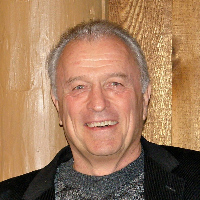
About Thomas
He draws on long experience with substance use challenges and reports more than 30 years of personal recovery. That background shapes his practical approach to addiction and relapse prevention. He also helps people facing self-defeating behaviors, social anxiety, and the isolation that can follow difficult events.
Thomas uses a mix of methods rather than a single model. He names gestalt, voice dialogue, and cognitive behavioral approaches among the tools he uses, along with other supportive psychotherapeutic methods. Sessions focus on identifying obstacles to change and on concrete steps a person can try between meetings.
He has presented professional trainings across the United States, the United Kingdom, and Australia, bringing a broad view of clinical practice to his work with adults and couples. His practice emphasizes straightforward conversation, skill development, and practical problem solving.
People who contact him can expect to talk through current struggles and past patterns that affect day-to-day life. He offers guidance for repairing communication, managing guilt and shame, and addressing symptoms of post-traumatic stress. The aim is to create clearer choices and steps toward healthier routines.
Areas of expertise
Primary focus
Additional focus areas
Experience
40+ years
Credentials
California
Languages
English
License and NPI
- LMFT, California
- No. 13975
- NPI
- 1780803312
As listed on the therapist's profile; we have not checked them. A license can be checked with the state board, and an NPI in the national registry.
How evidence-based methods translate to online work
Thomas uses a few practical, evidence-based techniques in his work. Cognitive behavioral methods focus on identifying unhelpful thoughts and testing new behaviors, which can help with anxiety, depression, and certain addiction triggers. Gestalt approaches emphasize present-moment awareness and direct conversation to notice patterns that keep repeating. Voice dialogue involves exploring different parts of the self so people can understand conflicting feelings and make clearer choices.Choosing the right approach is part of therapy. He will discuss goals and preferences and try methods that fit the client's needs. That collaborative process helps shape a plan that can change as progress is made.
Confirm the current session options before booking, as formats are not specified in his biography. Online sessions can make it easier to fit therapy into a busy week, reduce travel time, and allow shorter check-ins when a quick touchpoint is helpful. They also let people work with licensed professionals across regions, which can be useful for those seeking a clinician with long experience in areas like addiction and trauma.
Frequently asked questions
What concerns does he commonly address?
He works with stress, anxiety, addictions, relationship problems, trauma and abuse, and depression. He also helps with issues like abandonment, caregiver stress, and workplace problems.
How would you describe his therapeutic approach?
He uses a mix of methods including gestalt, voice dialogue, and cognitive behavioral approaches. The focus is on identifying obstacles to change and practical steps clients can take.
What is his clinical experience?
He has practiced for 40 years and now works part time. He has delivered professional trainings in the United States, the United Kingdom, and Australia.
What credentials and region does he hold?
He is a California LMFT and practices in California.
In which language are sessions offered?
Sessions are offered in English.
Can people outside the U.S. work with him?
He accepts international clients, which may allow people outside the United States to schedule sessions.
How are sessions charged?
Cost varies with location and sessions use a subscription that can be canceled at any time.
How do I begin working with him?
Start by selecting the See online therapy options button, complete a short matching questionnaire, and schedule a first session.