- Stress and anxiety
- Trauma and abuse
- Parenting support
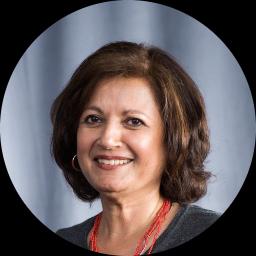
About Uzma
She taught psychology at the university level and has long experience working with people from varied cultural backgrounds. Her approach is strength-based, focusing on personal resources and practical steps. Sessions emphasize building a working relationship so thoughts and feelings can be talked about without judgment.
Uzma helps people name what is most troubling and then chooses ways to move forward that feel manageable. She offers straightforward guidance and occasionally introduces concrete exercises clients can practice between meetings. She aims to keep sessions clear and focused on small, achievable changes.
Her work often involves communication skills, repairing attachments, and addressing the ongoing effects of past harm. She pays attention to family and cultural patterns that influence daily life. This practical focus is intended to help people regain a sense of control and clearer decision-making.
Uzma speaks English, Hindi, Punjabi, and Urdu, and practices in Washington. She does not accept international clients. To begin, readers are asked to use the See online therapy options button, complete a short matching questionnaire, and schedule a first session.
Areas of expertise
Primary focus
Additional focus areas
Experience
25+ years
Credentials
Washington, Oregon
Languages
English, Hindi, Punjabi, Urdu
License and NPI
- LMHC, Washington
- No. LH60860946
- LPC, Oregon
- No. C6885
- NPI
- 1861175051
As listed on the therapist's profile; we have not checked them. A license can be checked with the state board, and an NPI in the national registry.
Evidence-based approaches and how they work online
Uzma uses evidence-based therapeutic techniques that focus on clear, practical work. One common approach is strength-based work, which helps people identify what already works for them and build on those capacities to manage stress and anxiety. Another frequent focus is trauma-informed methods that address the ongoing effects of past harm by helping people notice triggers, practice grounding skills, and build safer patterns of relating.Choosing the best approach is a collaborative process. The therapist will review concerns, goals, and preferences and suggest techniques to try. Together they adjust the plan based on what helps most in everyday life, testing small changes and tracking progress.
Session formats are not specified in the biography, so confirm current options before booking. Online therapy can make it easier to fit sessions into a busy schedule, reduce travel time, and allow shorter check-ins when needed. Some people find video sessions helpful for face-to-face conversation, while others prefer audio or a different arrangement for a quicker meeting. Discussing practical needs with the therapist will clarify which format and frequency fit best.
Frequently asked questions
What concerns does she usually help with?
She works with stress, anxiety, relationship challenges, trauma and abuse, grief, and parenting. Additional focuses include attachment, communication, guilt and shame, and post-traumatic stress.
How would you describe her therapeutic style?
Her approach is strength-based and practical. She focuses on building a working relationship and on steps people can try between sessions.
How much experience does she have?
She has 25 years of professional experience, including time teaching psychology at the university level.
What are her credentials and where does she practice?
She is an LPC and an LMHC and practices in Washington. The LPC credential is also held in Oregon as stated in her background.
Which languages are sessions offered in?
Sessions are offered in English, Hindi, Punjabi, and Urdu.
Can international clients work with her?
She is not currently accepting international clients.
How does payment work and what does it cost?
Cost varies with location and sessions use a subscription model that can be canceled at any time. Exact pricing depends on your location.
What are the first steps to begin?
Click the See online therapy options button, complete the short matching questionnaire, and then schedule a first session.