- Cognitive Behavioral Therapy
- Dialectical Behavior Therapy
- Gottman Method
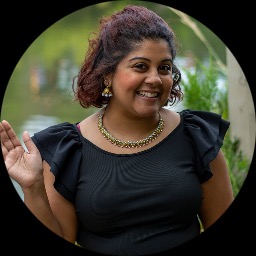
About Afsha
She uses a mix of methods to help people change habits that get in the way of daily life. That can mean learning tools to manage intense emotions, practicing new ways to communicate, or noticing how the body holds stress. Sessions often include short skills practice and problem-solving alongside deeper reflection about past patterns.
Afsha pays attention to how culture, family background, and identity affect stress and relationships. She helps people who are navigating adoption and foster care issues, attachment concerns, blended family transitions, caregiver strain, or the impact of chronic illness. She also works with concerns around body image, codependency, and domestic violence.
Her clinical toolbox includes Cognitive Behavioral Therapy (CBT), Dialectical Behavior Therapy (DBT), the Gottman Method for relationship work, Solution-Focused Therapy, and Somatic Therapy. These approaches are used in simple, concrete ways to teach coping skills and improve communication.
Sessions are available in English, Spanish, Hindi, and Urdu, and Afsha accepts international clients. To begin, users are asked to complete a short matching questionnaire and schedule a first session through the online options button.
Areas of expertise
Primary focus
Additional focus areas
Therapeutic approaches
Experience
7+ years
Credentials
Illinois
Languages
English, Spanish, Hindi, Urdu
License and NPI
- LCPC, Illinois
- No. 180.018689
- NPI
- 1558936153
As listed on the therapist's profile; we have not checked them. A license can be checked with the state board, and an NPI in the national registry.
How Afsha uses therapeutic approaches online
Afsha draws on Cognitive Behavioral Therapy (CBT) to help people spot unhelpful thinking and try small experiments to see different results. CBT is useful for anxiety, depression, and stress when someone wants clear steps to change patterns.She also uses Dialectical Behavior Therapy (DBT) skills to teach emotion regulation, distress tolerance, and better communication. DBT offers short tools that can be practiced between sessions when feelings run high.
Finding the right approach is part of the work. Afsha collaborates with each person to decide which methods fit their goals, symptoms, and preferences. She will review options and adjust the plan as needs change, so the process stays focused and practical.
Session formats are not specified in the biography, so confirm current online options before booking. Online sessions can make it easier to fit therapy into a busy life, such as shorter check-ins during a break, not needing travel time, or choosing sessions that do not require being on camera. Licensed professionals often use these practical choices to keep therapy manageable alongside everyday responsibilities.
Frequently asked questions
What concerns does Afsha most often address?
She works with stress, anxiety, depression, relationship problems, self-esteem struggles, and the effects of trauma and abuse.
How would you describe her therapeutic style?
Her style is collaborative and practical, focusing on skills, communication, and noticing bodily responses to stress.
How much clinical experience does she have?
She has seven years of experience working with a range of life challenges and relationship concerns.
What credential and region are listed for this therapist?
She is an Illinois LCPC, which stands for Licensed Clinical Professional Counselor in Illinois.
In which languages can sessions be held?
Sessions are offered in English, Spanish, Hindi, and Urdu.
Does she accept clients outside the US?
Yes, she accepts international clients.
How are sessions billed or priced?
Cost varies with location and sessions use a subscription that can be canceled at any time.
How do I begin working with her?
Use the See online therapy options button, complete the short matching questionnaire, and then schedule a first session.