- Stress and anxiety
- Trauma and abuse
- Family communication
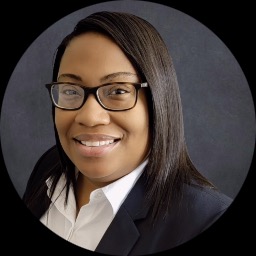
About Alesha
She focuses on clear, practical work in session. Conversations cover what is happening now and what patterns come from past relationships. She helps people identify coping skills, improve communication, and make concrete plans for change. Sessions are collaborative and paced to each person's comfort.
Her background includes long-term work with people dealing with attachment issues, abandonment, adoption and foster care topics, and complex family arrangements. She also supports people coping with chronic illness, cancer, chronic pain, and the stress that comes with those challenges. Work can include exploring how past hurts affect current relationships and everyday functioning.
Alesha also addresses personality-related concerns such as avoidant, dependent, and antisocial traits, along with issues like codependency, commitment struggles, and control dynamics. She helps people notice patterns and practice different ways of interacting when those patterns cause problems.
In practice she uses evidence-based therapeutic techniques. That often means teaching concrete skills, practicing new communication habits, and gradually processing difficult memories. People who come for help can expect straightforward talk, problem-solving, and a focus on what works in daily life.
Areas of expertise
Primary focus
Additional focus areas
Experience
10+ years
Credentials
Illinois
Languages
English
License and NPI
- LCSW, Illinois
- No. 149028052
- NPI
- 1023825148
As listed on the therapist's profile; we have not checked them. A license can be checked with the state board, and an NPI in the national registry.
Therapeutic approaches and how online sessions work
Alesha uses evidence-based therapeutic techniques to help with trauma, relationships, and coping skills. One common approach focuses on skill building and practical coping strategies to reduce anxiety and manage stress. This involves teaching concrete tools people can use in daily life and practicing them in session.Another approach emphasizes processing difficult memories and patterns that affect relationships. Work like this moves at a steady pace and combines talking through experiences with exercises that shift how a person relates to emotions and memories.
Choosing the right approach is a collaborative process. The therapist and client review needs, goals, and preferences and decide together which techniques to try first. Adjustments are made over time based on what helps most.
Confirm the current session options before booking. Online work can make it easier to fit sessions into a busy life, reduce travel time, and allow for shorter check-ins when a full hour is not needed. Licensed professionals often find remote sessions helpful for keeping therapy consistent around work, medical appointments, and family obligations.
Frequently asked questions
What concerns does she commonly address?
She works with stress, anxiety, relationship and family problems, trauma and abuse, and coping with life changes.
How would you describe her therapeutic approach?
Her style is collaborative and person-centered using evidence-based techniques to teach skills and process difficult experiences.
How much clinical experience does she have?
She has 10 years of experience working with people facing a range of emotional and relational challenges.
What are her credentials and where does she practice?
She is an LCSW licensed in Illinois and practices with that credential in the state.
Which languages are supported in sessions?
Sessions are offered in English.
Can international clients work with her?
She does not accept international clients at this time.
How are sessions billed and what is the cost?
Cost varies with location; sessions use a subscription model that can be canceled at any time.
What should I do to begin?
Select the See online therapy options button, complete the short matching questionnaire, and schedule your first session.