- CBT
- Attachment work
- Mindfulness
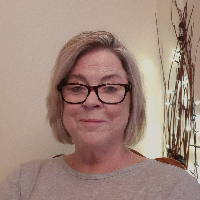
About Debbie
She holds a Bachelor’s and a Master’s degree in Clinical Social Work from universities in Colorado. Over four decades she has worked in multiple U.S. states, as well as in Hawaii and Canada, and has kept her skills current through ongoing learning. She aims to stay attentive and focused during sessions so clients can use the time efficiently.
Debbie uses approaches such as Attachment-Based Therapy, Client-Centered Therapy, Cognitive Behavioral Therapy (CBT), Mindfulness Therapy, and Motivational Interviewing. In practice she helps people identify recurring self-defeating behaviors and then tests small, concrete changes to shift those patterns. She often offers straightforward feedback and uses humor when appropriate.
People who want an active, practical partnership tend to work well with her style. She describes therapy as a place to look at behavior, try new responses, and build confidence step by step. Sessions can include talking through problems, learning new coping skills, and practicing different ways of relating to others.
Her background includes work with adoption and foster care concerns, attachment issues, caregiver stress, codependency, domestic violence, post-traumatic stress, compassion fatigue, and grief. She speaks English and practices in Illinois as an LCSW.
Areas of expertise
Primary focus
Also works with
Additional focus areas
Therapeutic approaches
Experience
40+ years
Credentials
Illinois
Languages
English
License and NPI
- LCSW, Illinois
- No. 149.011586
- NPI
- 1275584153
As listed on the therapist's profile; we have not checked them. A license can be checked with the state board, and an NPI in the national registry.
How her approaches are used in online sessions
Debbie commonly draws on Attachment-Based Therapy, Client-Centered Therapy, and Cognitive Behavioral Therapy. Attachment work looks at patterns in relationships and helps people notice how old ways of relating show up now. Client-centered work focuses on listening and helping someone name what matters to them. CBT identifies thoughts and behaviors that keep problems going and tests practical changes to reduce symptoms and improve daily functioning.Picking the right approach is part of the work. She will help clients decide together which methods fit best based on their goals, preferences, and the issues they bring. That collaborative process means adjustments are made over time if something is not helping.
Session format details are not specified in the biography, so confirm current options before booking. Many people find online sessions make it easier to fit therapy into a busy life, for example by removing travel time, allowing shorter check-ins, or letting someone join while taking a break from work. Online work can support the same practical tools as in-person therapy, such as practicing new behaviors, learning mindfulness exercises, and rehearsing communication strategies.
Frequently asked questions
What problems does she help people with most often?
She lists stress, anxiety, depression, relationship and family concerns, trauma and abuse, grief, parenting issues, and related topics such as caregiver stress and compassion fatigue.
What is her general therapeutic style?
Her style is practical and engaged. She offers direct feedback, helps people try small behavior changes, and uses humor when helpful.
How long has she worked in the field?
She has 40 years of experience as a clinical social worker and has worked in several U.S. states as well as in Hawaii and Canada.
What credential does she hold and where does she practice?
She is an Illinois Licensed Clinical Social Worker, abbreviated as LCSW, and practices in Illinois.
Which languages are sessions offered in?
Sessions are offered in English.
Can people from other countries work with her?
She does not accept international clients at this time.
How are sessions priced?
Cost varies with location; sessions use a subscription that can be canceled at any time.
How do I begin a first session?
Select the See online therapy options button, complete the short matching questionnaire, and schedule a first session.