- Stress and anxiety
- Addictions and process issues
- Caregiver and family stress
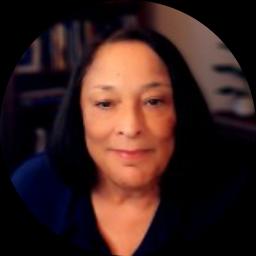
About Deborah
Deborah’s work centers on straightforward, respectful conversations. She listens for patterns that keep someone stuck and suggests small, practical steps to try between sessions. Sessions may include skills for managing overwhelming feelings, strategies to reduce harmful behaviors, and ways to repair or set boundaries in relationships.
She often helps people during major transitions like divorce or midlife change. She also supports those dealing with post-traumatic stress and the aftermath of domestic violence. Her approach pays attention to how identity, faith, and life roles shape current difficulties.
Deborah draws on evidence-based therapeutic techniques to guide the work. That means using methods that match the problem at hand and measuring whether they help. She aims for direct, concrete interventions rather than abstract theory.
People who reach out can expect a steady, practical therapist who focuses on skills and real-life changes. The practice language is English and services are offered in Georgia. To begin, clients use an online matching questionnaire and schedule a first session through the provided process.
Areas of expertise
Primary focus
Additional focus areas
Experience
15+ years
Credentials
Georgia
Languages
English
License and NPI
- LPC, Georgia
- No. LPC008554
- NPI
- 1225258718
As listed on the therapist's profile; we have not checked them. A license can be checked with the state board, and an NPI in the national registry.
How therapeutic methods translate to online work
Deborah uses evidence-based therapeutic techniques to address concrete problems. She applies practical skill-building to manage anxiety and stress, teaching coping tools and step-by-step exercises that people can practice between sessions. For trauma-related concerns she uses structured methods aimed at reducing symptoms and improving daily functioning.Finding the right approach is part of the work together. Deborah will discuss different methods and help decide which fits a person’s goals and preferences. This is a collaborative process that checks what is helping and adjusts as needed.
Confirm the specific session formats available before booking, as the biography does not list them. Online therapy can make it easier to fit sessions into a busy life, such as arranging shorter check-ins, avoiding travel time, or choosing a session that does not require a camera. Licensed professionals can use remote sessions to maintain continuity of care when schedules shift, while focusing on skills and behavior changes that transfer into everyday routines.
Frequently asked questions
What concerns does she commonly help with?
She works with stress, anxiety, addictions, family conflict, trauma and abuse, and coping with life changes.
What is her general approach in sessions?
She uses evidence-based techniques and practical steps to address patterns that keep people stuck, combined with direct conversation about goals and progress.
How much clinical experience does she have?
She has 15 years of experience working with people across a range of concerns including addiction and post-traumatic stress.
What are her credentials and where does she practice?
She is a Licensed Professional Counselor (LPC) licensed in Georgia and practices with clients in that state.
Which languages are supported for sessions?
Sessions are offered in English.
Can she work with international clients?
International clients are not currently accepted.
How are sessions scheduled and paid for?
Session cost varies with location; care is provided through a subscription model that can be canceled at any time.
How do I start working with her?
Select the See online therapy options button, complete a short matching questionnaire, and schedule a first session.