- Client-Centered Therapy
- CBT techniques
- Solution-Focused work
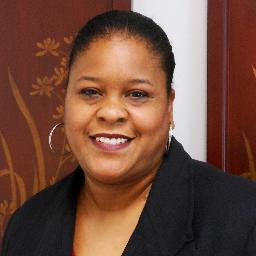
About Lori
Lori uses practical conversation and goal-focused work to help people make changes. She integrates Client-Centered Therapy, Cognitive Behavioral Therapy (CBT), and Solution-Focused Therapy with a faith-informed perspective when clients request it. Sessions include talking through current problems, identifying patterns that get in the way, and planning small steps forward.
People often come to her for help after painful or frightening experiences. She helps them sort through feelings, rebuild trust in themselves, and find ways to manage stress and memories that interfere with daily life. Lori also supports those coping with divorce, loneliness, or struggles with forgiveness.
Her approach centers on direct conversation, practical strategies, and ongoing adjustment of goals. Lori will work with each person to choose what fits best, whether that is skill-building, reframing unhelpful thoughts, or short-term focused work to solve a pressing problem.
Lori draws on over a decade of clinical work and brings straightforward guidance to sessions. She encourages people to take the first step, complete a brief intake, and begin shaping a plan that fits their life.
Areas of expertise
Primary focus
Also works with
Additional focus areas
Therapeutic approaches
Experience
15+ years
Credentials
North Carolina
Languages
English
License and NPI
- LCMHC, North Carolina
- No. 8325
- NPI
- 1679876247
As listed on the therapist's profile; we have not checked them. A license can be checked with the state board, and an NPI in the national registry.
How therapeutic approaches are used in online sessions
Client-Centered Therapy focuses on the individual's perspective, listening carefully and following the person's concerns to shape each session. It helps people clarify their feelings and make decisions that fit their values.Cognitive Behavioral Therapy (CBT) looks at how thoughts, feelings, and actions interact. In short steps, it teaches skills to reframe unhelpful thoughts and try new behaviors to reduce anxiety, depression, or stress.
Solution-Focused Therapy emphasizes small, practical changes and immediate goals. It is useful when someone wants focused work on a specific problem or a short series of sessions to move forward.
Choosing the right approach is part of the process. The therapist will work together with the person to decide what fits best based on needs, goals, and personal preference. That decision can change over time as progress and priorities evolve.
The original biography does not list specific session formats, so confirm available options before booking. Online work can make it easier to fit sessions into a busy week, allow a briefer check-in when time is short, or reduce travel time. Therapists and licensed professionals use these methods to help people bring practical skills into everyday life.
Frequently asked questions
What kinds of concerns does she address most often?
She works with stress, anxiety, depression, relationship and parenting issues, trauma and abuse, addictions, and related concerns such as loneliness and life purpose.
How would you describe her therapeutic style?
Her style is interactive and conversational, using client-centered methods alongside CBT and solution-focused techniques to set practical goals and steps.
How much clinical experience does she have?
She has 15 years of experience working with a wide range of concerns, including clients affected by physical trauma or emotional abuse.
What credential and location are listed for this therapist?
She is an LCMHC (Licensed Clinical Mental Health Counselor) licensed in North Carolina.
Are sessions offered in other languages or internationally?
Sessions are offered in English and she accepts international clients.
What session formats are available?
The original biography does not specify session formats. Please confirm current session options before booking.
How are fees and billing handled?
Cost varies with location and sessions use a subscription that can be canceled at any time.
What is the first step to begin working together?
Select the See online therapy options button, complete the short matching questionnaire, and schedule a first session.