- Trauma and abuse
- Anxiety and depression
- CBT and ACT
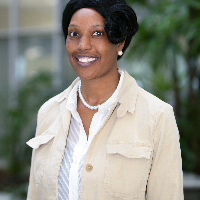
About Michelle
She is a United States Navy veteran and holds a doctoral degree in education plus a master’s degree in counseling. Her licenses include WA LMHC and FL LMHC. Michelle draws on years of clinical practice to help people notice what is causing overwhelm and to learn concrete ways to respond differently.
Her practice emphasizes clear, practical tools. She uses cognitive behavioral techniques to identify unhelpful thoughts and build different habits. She also uses Acceptance and Commitment Therapy ideas to help people notice values and take small, meaningful steps toward them.
Michelle describes therapy as a collaborative process. Sessions often include talking through recent stresses, practicing new coping skills, and checking what works between meetings. She aims to help people strengthen coping skills for everyday life and reduce the things that get in the way of functioning.
Outside of clinical work she enjoys dancing, travel, laughter, and time with family and friends. That personal side informs her straightforward, down-to-earth approach to helping adults manage difficult emotions and practical life challenges.
Areas of expertise
Primary focus
Also works with
Additional focus areas
Therapeutic approaches
Experience
20+ years
Credentials
Florida, Washington
Languages
English
License and NPI
- LMHC, Florida
- No. MH8624
- LMHC, Washington
- No. LH61247158
- NPI
- 1275011645
As listed on the therapist's profile; we have not checked them. A license can be checked with the state board, and an NPI in the national registry.
How therapeutic approaches translate to online work
Acceptance and Commitment Therapy (ACT) focuses on noticing thoughts and feelings without trying to fight them, then choosing actions that fit your values; it can help with anxiety, depression, and coping with hard situations. Cognitive Behavioral Therapy (CBT) looks at unhelpful thinking patterns and builds practical skills to change behaviors and mood; it is often used for anxiety, depression, and stress. Client-Centered Therapy emphasizes listening and supporting the person's perspective so they can find their own solutions and move forward.Deciding which approach to use is part of the work. The therapist will talk with each person about goals and preferences and then recommend techniques to try. Sessions are collaborative, and approaches can be adjusted as progress is reviewed.
Confirm the available session formats before booking, since the biography does not list specific options. Online sessions can make it easier to fit therapy into a busy life, for example by avoiding travel time, allowing shorter check-ins during a break, or offering an option that does not require being on camera. Many people find this flexibility helps them maintain regular appointments alongside work and caregiving responsibilities.
Frequently asked questions
What problems does she focus on most?
She works with adults around stress, anxiety, addictions, grief, depression, relationship and intimacy issues, parenting strain, bipolar concerns, and trauma and abuse.
What is her therapeutic style like?
Her approach is practical and collaborative, using clear techniques from cognitive behavioral therapy and Acceptance and Commitment Therapy alongside client-centered conversation.
How long has she practiced?
She has been working in mental health for 20 years and combines that experience with a doctoral degree in education and a master’s in counseling.
Which credentials and location are listed?
She is an LMHC licensed in Washington State and Florida and practices from Florida.
Which languages are supported?
Sessions are offered in English.
Can people outside the U.S. work with her?
She does not accept international clients at this time.
How much do sessions cost?
Cost varies with location; sessions use a subscription that can be canceled at any time.
How do I begin a first session?
Click the See online therapy options button, complete the short matching questionnaire, and schedule your first session.