- Cognitive Behavioral Therapy
- Dialectical Behavior Therapy
- Emotionally-Focused Therapy
About Vivison
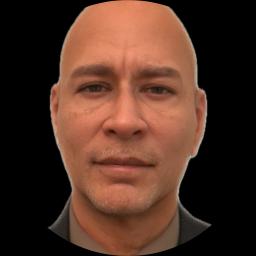
He earned degrees in psychology and guidance counseling from Tulane University and Xavier University of New Orleans. Over decades of practice he has worked with people from diverse cultures and backgrounds across a wide range of settings. That breadth shapes how he listens and responds in sessions.
Kerr emphasizes practical, communication-focused work for relationship concerns. He notes that poor communication is often central to relationship strain and uses strategies to strengthen how people express needs and manage conflict. Sessions often look at specific skills as well as the patterns behind them.
For trauma and post-traumatic stress concerns he combines several evidence-based methods to help people process difficult experiences and reduce symptoms that get in the way of daily life. He also uses approaches that teach skills for emotional regulation and distress tolerance.
Kerr encourages clear conversation about the therapy process and invites clients to discuss what is or isn’t working. He believes therapy should fit the person, and he works with each client to decide how to proceed and when a different direction might help more.
Areas of expertise
Primary focus
Also works with
Additional focus areas
Therapeutic approaches
Experience
40+ years
Credentials
Louisiana
Languages
English
License and NPI
- LPC, Louisiana
- No. 4040
- NPI
- 1912200304
As listed on the therapist's profile; we have not checked them. A license can be checked with the state board, and an NPI in the national registry.
How his approaches translate to online work
Clinically he commonly uses Cognitive Behavioral Therapy, Dialectical Behavior Therapy, and Emotionally-Focused Therapy. CBT focuses on identifying unhelpful thinking and testing new behaviors to reduce symptoms like anxiety and depression. DBT teaches skills for managing intense emotions and improving distress tolerance and interpersonal effectiveness. EFT concentrates on communication and emotional patterns in relationships, helping people express needs and respond to one another differently.Finding the right approach is part of the process. He will work collaboratively to choose methods that match the client’s goals and preferences. Sessions can begin with an assessment of immediate needs and then move to skill-building, processing, or communication work depending on what the person wants to address.
The practical benefits of doing therapy online include easier fit with daily schedules and fewer barriers to attending sessions. Because the biography does not list specific session formats, confirm the current online options before booking. Online sessions can make it simpler to have regular check-ins, to practice skills between meetings, and to arrange shorter or more frequent visits when life requires it.
Frequently asked questions
What concerns does he address most often?
He works with stress, anxiety, depression, trauma and abuse, addictions, relationship and family issues, and related problems such as grief, sleep trouble, and parenting strain.
What type of therapy style does he use?
He uses practical, skills-based methods including Cognitive Behavioral Therapy, Dialectical Behavior Therapy, Emotionally-Focused Therapy, mindfulness, and solution-focused work.
How much clinical experience does he have?
He has practiced as a counselor for over 40 years, drawn from work in varied settings and with diverse cultural groups.
What are his credentials and where is he based?
He is a Licensed Professional Counselor (LPC) practicing in Louisiana.
Can I have sessions in a language other than English?
Sessions are offered in English.
Does he accept clients outside the United States?
International clients are accepted.
How are sessions paid for?
Costs vary by location; sessions use a subscription that can be canceled at any time.
How do I begin working with him?
Click the See online therapy options button, complete the short matching questionnaire, and schedule a first session.