
Stephanie Rei
LCSWLouisiana · 8 yrs exp
Licensed Clinical Social Worker - Trauma and depression
Stress, Anxiety · Relationship · Family · Trauma and abuse · +1 more
Read profileTherapist listings come from BetterHelp. If you sign up through our links, we will earn a commission at no extra cost to you.
Explore therapists who list trauma and abuse in the Louisiana listed location to compare languages, credentials, approaches, and focus areas.
Use the profiles to learn more and contact individuals directly to confirm they have permission to work with you where you live.
Louisiana · 8 yrs exp
Licensed Clinical Social Worker - Trauma and depression
Stress, Anxiety · Relationship · Family · Trauma and abuse · +1 more
Read profile
Louisiana · 30 yrs exp
LCSW - Trauma and mood concerns
Family · Grief · Anger · Self esteem · +11 more
Read profile
Louisiana · 10 yrs exp
Licensed Professional Counselor - Trauma and Anxiety
Stress, Anxiety · Addictions · Trauma and abuse · Self esteem · +1 more
Read profile
Louisiana · 15 yrs exp
Licensed Clinical Social Worker - Trauma and grief
Stress, Anxiety · Family · Trauma and abuse · Grief · +1 more
Read profile
Louisiana · 15 yrs exp
LPC in Louisiana - Trauma and relationships
Addictions · Relationship · Trauma and abuse · Self esteem · +1 more
Read profile
Louisiana · 8 yrs exp
Licensed Professional Counselor - Trauma and family concerns
Stress, Anxiety · Grief · Depression · ADHD · +12 more
Read profile
Louisiana · 19 yrs exp
Licensed Professional Counselor - Trauma and anxiety
Stress, Anxiety · Trauma and abuse · Parenting · Anger · +13 more
Read profile
Louisiana · 20 yrs exp
Licensed Professional Counselor - Trauma and family concerns
Stress, Anxiety · Family · Parenting · Anger · +9 more
Read profile
Louisiana · 15 yrs exp
Licensed social worker - relationships and trauma
Relationship · Family · Grief · Self esteem · +7 more
Read profile
Louisiana · 12 yrs exp
LPC in Louisiana - trauma and relationship care
Stress, Anxiety · Relationship · Trauma and abuse · Self esteem · +1 more
Read profile
Louisiana · 6 yrs exp
Licensed Clinical Social Worker - Trauma and mood concerns
Stress, Anxiety · Trauma and abuse · Self esteem · Depression · +1 more
Read profile
Louisiana · 10 yrs exp
Licensed counselor - Trauma and mood concerns
Stress, Anxiety · Trauma and abuse · Anger · Self esteem · +1 more
Read profile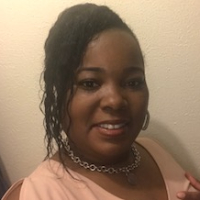
Louisiana · 10 yrs exp
Licensed Professional Counselor - Trauma and Relationships
Stress, Anxiety · Trauma and abuse · Anger · Self esteem · +8 more
Read profile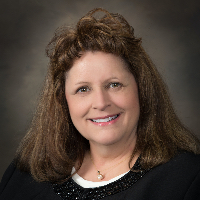
Louisiana · 28 yrs exp
Licensed Clinical Social Worker - Trauma and life stress
Stress, Anxiety · Grief · Self esteem · Career · +12 more
Read profile
Louisiana · 22 yrs exp
LCSW - Relationships and Trauma
Relationship · Trauma and abuse · Parenting · Self esteem · +1 more
Read profile
Louisiana · 10 yrs exp
Licensed Professional Counselor - Trauma and mood concerns
Stress, Anxiety · Addictions · Grief · Self esteem · +11 more
Read profile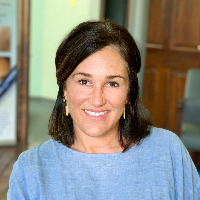
Louisiana · 15 yrs exp
Licensed Clinical Social Worker - Trauma and family concerns
Stress, Anxiety · Relationship · Family · Trauma and abuse · +8 more
Read profile
Louisiana · 10 yrs exp
Licensed Professional Counselor - Trauma and mood concerns
Stress, Anxiety · Addictions · Family · Trauma and abuse · +10 more
Read profile
Louisiana · 15 yrs exp
LCSW - Trauma and relationship focus
Stress, Anxiety · Relationship · Family · Trauma and abuse · +12 more
Read profile
Louisiana · 13 yrs exp
LMFT - Trauma and relationship support
Stress, Anxiety · Relationship · Family · Parenting · +11 more
Read profile
Louisiana · 9 yrs exp
LCSW - Trauma and abuse, grief work
Grief · Self esteem · Coping with life changes · Stress, Anxiety · +11 more
Read profile
Louisiana · 13 yrs exp
Licensed professional counselor - Trauma and related concerns
Stress, Anxiety · Addictions · Anger · Self esteem · +13 more
Read profile
Louisiana · 10 yrs exp
Licensed Professional Counselor - Trauma and relationships
Stress, Anxiety · Relationship · Self esteem · Depression · +13 more
Read profile
Louisiana · 6 yrs exp
LPC in Louisiana - trauma and relationship concerns
Stress, Anxiety · Relationship · Family · Intimacy-related issues · +9 more
Read profileWhen you begin looking for help after abuse, violence, an accident, or another traumatic event, you are likely weighing both practical and emotional needs. Trauma can affect your thoughts, emotions, sleep, relationships, and sense of safety without any graphic detail being necessary to describe the impact. You may be coping with anxiety, intrusive memories, difficulties concentrating, or changes in how you relate to others. Those reactions are common ways people respond to distressing experiences, and they do not mean that you are weak or beyond help. It is okay to go at your own pace when reaching out to a professional. If you are in immediate danger, call 911. If you are experiencing a mental health crisis and need someone to talk to, dial 988 for the Suicide & Crisis Lifeline.
As you consider profiles in the Louisiana listed location, think about the kinds of experiences that matter most to you. Some therapists describe work with survivors of intimate partner violence, others mention support after accidents or community violence, and some emphasize coping with chronic trauma or complex histories. A listed specialty indicates that a therapist has included trauma or abuse among the topics they work with on their profile, but it is not evidence of a particular training or a guarantee of a specific approach. Use the profile text to identify potential fits and prepare questions you want to ask before contacting a provider.
The Louisiana listed location groups profiles that indicate a connection to the state, but the presence of a profile here does not by itself show an office address, that the person practices in-person in Louisiana, or that they have a current license there. You should check each profile carefully and reach out to confirm whether the therapist has permission to work with you where you live. Academic degrees and professional licenses are distinct pieces of information. Degrees such as PhD, PsyD, MD, MA, or MSW describe academic training and the level of study a clinician has completed. Licenses or registrations are the authorizations that may be required to practice in a given jurisdiction, and they have different names in different states. A degree alone does not establish current permission to practice, and a listed credential on a profile should be verified directly with the clinician or with the relevant licensing board when you need to be certain.
When reading a profile, notice whether the clinician states both their degree and the license they hold. Profiles often include language about focus areas and experience, but what is written there is not the same as a license verification. If you have specific regulatory or legal concerns, ask the clinician directly about their licensure, the state or states in which they are authorized to work, and whether they are able to provide services in your location.
It helps to enter conversations with clear, concrete questions so you can compare how different clinicians describe their work. You might ask whether the clinician has experience working with people who have gone through similar events to yours, and how they typically support someone in the early weeks of care versus later on. Ask what kinds of goals they help people pursue and how they measure progress. If you are curious about specific approaches, phrase it as a topic of discussion rather than an assumption of training - for example, you can ask how a clinician uses strategies when they list EMDR among their approaches, or how they incorporate somatic, narrative, or cognitive-behavioral ideas if those are mentioned on a profile. Invite them to explain how they adapt their approach when someone is feeling overwhelmed or needs to move more slowly.
Concrete comparison questions include asking about the clinician's typical session structure, what homework or between-session supports they use, and how they communicate about goals and boundaries. You can ask how they address cultural factors, identity, and life context in therapy and whether they have experience with survivors of specific forms of violence or abuse. Remember that a profile note about an approach is not proof of formal certification; use your questions to understand how the clinician applies their perspectives in practice and whether that matches what you are looking for.
If you plan to pursue care remotely, it is important to clarify technical, legal, and logistical issues before beginning. Ask whether the clinician has permission to provide services to people in your state and whether there are any differences in how they work across state lines. Discuss the technology platform you will use and what to do if a session drops or you cannot connect. Because crises can happen between sessions, ask how they handle emergencies and what steps they recommend if you are in immediate danger - again, call 911 if you are at risk right now, and dial 988 for urgent mental health support. Inquire about the clinician's privacy practices for remote sessions so you know how your information is handled when using video or messaging tools.
Talk about expectations for communication between sessions, how to cancel or reschedule, and how they will check in about your comfort with the pace of work. You may want to mention any sensory, concentration, or scheduling needs up front so the clinician can describe adaptations. Going at your own pace means setting boundaries and naming what you can tolerate during a session, and a frank conversation before you start can help set that frame.
When you compare profiles within the Louisiana listed location, read beyond single keywords and look for how clinicians describe the populations and problems they work with, the ways they explain their approach, and the personal style they convey. Focus areas can include specific trauma types, related mood or anxiety symptoms, or life-stage concerns. Language information tells you whether sessions can be conducted in the language you prefer, which can be a critical factor for feeling understood. Credentials and degrees offer pieces of the picture: degrees indicate academic preparation, and listed licenses or registrations suggest what the clinician may be authorized to do. Always confirm any credential details that are important to you by asking the clinician directly.
Style is often communicated in the tone of a profile. Some clinicians emphasize collaborative teamwork and practical skills for symptom management, while others highlight reflective exploration and meaning-making. You can compare how clinicians describe their stance toward trauma - whether they emphasize stabilization, skills for coping, processing painful memories, or rebuilding relationships and daily routines. If you are seeking someone who addresses cultural, racial, or gender-related aspects of experience, look for explicit mentions of cultural awareness or ask about their experience and approach. Use comparison questions such as: Which clinician helps people with the specific challenges I face? Which profiles communicate a style that would help you feel comfortable? Which clinicians list languages or experience that match your needs? Contacting profiles with these questions will help you learn whether a given clinician can work with you where you live and whether their approach aligns with your preferences.
Taking time to prepare a brief set of questions and reading profiles thoughtfully can make it easier to find a match that feels respectful of your pace and needs. Remember to confirm licensure and permission to practice in your location before beginning care, and if you are in immediate danger call 911 or reach out to 988 for crisis support. You deserve to be heard and to find a clinician whose approach and experience feel like a fit for your path forward.
Addictions
1581 therapists
ADHD
1412 therapists
Anger
2045 therapists
Bipolar
1201 therapists
Control Issues
1017 therapists
Depression
3301 therapists
Grief
1847 therapists
Guilt and Shame
1913 therapists
Intimacy Issues
1359 therapists
Isolation / Loneliness
1594 therapists
Panic Disorder and Panic Attacks
1023 therapists
Post-Traumatic Stress
1738 therapists
Self Esteem
3152 therapists
Social Anxiety and Phobia
1541 therapists
Stress & Anxiety
3670 therapists
Abandonment
1005 therapists
Attachment Issues
1161 therapists
Blended Family Issues
852 therapists
Career
1614 therapists
Caregiver Issues and Stress
1170 therapists
Coaching
873 therapists
Codependency
1016 therapists
Communication Problems
2221 therapists
Compassion Fatigue
1461 therapists
Coping with Life Changes
2662 therapists
Divorce
1202 therapists
Family
2379 therapists
Family of Origin Issues
881 therapists
Forgiveness
1652 therapists
Life Purpose
1908 therapists
Parenting
1949 therapists
Relationship
2845 therapists
Self-Love
2076 therapists
Workplace Issues
1076 therapists
This directory is not a crisis line or an emergency service. These lines are free and open day and night.