- Trauma and abuse
- Attachment focus
- CBT methods
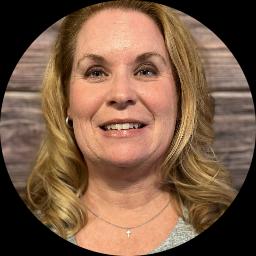
About Sara
Before moving into independent practice she spent many years at a nonprofit serving at-risk children and families. That background shaped her practical approach to difficult situations and to working with parents and caregivers. She has experience supporting children and adolescents in home, school, and community settings.
Sara uses several clinical approaches in session. She draws on Attachment-Based Therapy to look at how relationships affect feelings and behavior. She uses Cognitive Behavioral Therapy to identify unhelpful thinking and build different coping skills. She also incorporates Trauma-Focused Therapy concepts when addressing the effects of frightening or harmful experiences.
Sessions are conversational and goal-oriented. She works with each person to set small, doable goals and practice new skills between meetings. Progress is tracked in straightforward ways so people can see what changes help.
Sara offers work that is practical and focused on everyday life. She helps parents manage caregiving stress, supports people dealing with grief or loss, and assists those facing behavior or attachment concerns. To start, she asks people to complete a short matching questionnaire and then schedule an initial meeting.
Areas of expertise
Primary focus
Also works with
Additional focus areas
Therapeutic approaches
Experience
15+ years
Credentials
Michigan
Languages
English
License and NPI
- LPC, Michigan
- No. 6401222785
- NPI
- 1346572237
As listed on the therapist's profile; we have not checked them. A license can be checked with the state board, and an NPI in the national registry.
Approaches used online and how they help
Attachment-Based Therapy focuses on relationships and how early bonds shape feelings and behavior. It looks at patterns in close relationships and helps people find different ways to connect and respond. Cognitive Behavioral Therapy, or CBT, targets unhelpful thinking and teaches clearer ways to react. It is useful for anxiety, depression, and changing day-to-day habits that cause distress.Choosing the right approach is part of the work. The therapist will talk with the client about their goals, history, and what feels most useful. Together they pick methods to try, review how those methods feel, and adjust the plan as needed so the work fits the person's life and priorities.
Confirm current session options before booking. Online sessions can make it easier to fit therapy around work, school, or caregiving by reducing travel time. Some formats need less bandwidth and can be good for shorter check-ins, while others let people use video for face-to-face conversation. Discussing which format suits a person's day-to-day routine and technical needs happens during the first scheduling steps so sessions can be planned to match practical constraints.
Frequently asked questions
What concerns does she address most often?
Sara works with stress, anxiety, depression, trauma and abuse, relationship and family issues, parenting strain, grief, addictions, and compassion fatigue among other related problems.
How does she work in session?
Sessions are conversational and goal-focused. She helps set small, practical goals and builds coping skills to use between meetings.
How much clinical experience does she have?
She has 15 years of professional experience, including long-term work at a nonprofit serving at-risk children and families.
What credential does she hold and where is she based?
She is a Licensed Professional Counselor (LPC) licensed in Michigan and practices from that state.
In which language are sessions offered?
Sessions are offered in English only.
Does she work with international clients?
International clients are not currently accepted.
How are sessions scheduled and what does cost look like?
Costs vary by location and sessions use a subscription that can be canceled at any time.
What are the steps to begin working together?
Select the See online therapy options button, complete a short matching questionnaire, and schedule a first session.