
Juanita Gamache
LCMHC, LPCTennessee · 22 yrs exp
LCMHC LPC - Trauma and relationship support
Addictions · LGBT · Relationship · Trauma and abuse · +10 more
Read profileTherapist listings come from BetterHelp. If you sign up through our links, we will earn a commission at no extra cost to you.
This page groups profiles under the listed location Tennessee so you can compare clinicians who list trauma and abuse among their specialties. Review focus areas, approaches, languages, and credentials on individual profiles and browse to learn more.
Tennessee · 22 yrs exp
LCMHC LPC - Trauma and relationship support
Addictions · LGBT · Relationship · Trauma and abuse · +10 more
Read profile
Tennessee · 7 yrs exp
LPC - Trauma and anxiety focus
Stress, Anxiety · Trauma and abuse · Self esteem · Coping with life changes · +5 more
Read profile
Tennessee · 22 yrs exp
LPC counselor - Trauma and anxiety care
Stress, Anxiety · Trauma and abuse · Parenting · Self esteem · +11 more
Read profile
Tennessee · 18 yrs exp
LMFT - Trauma and relationship care
Stress, Anxiety · Relationship · Trauma and abuse · Depression · +1 more
Read profile
Tennessee · 8 yrs exp
Licensed Professional Counselor - Trauma and relationships
Stress, Anxiety · Relationship · Trauma and abuse · Grief · +6 more
Read profile
Tennessee · 8 yrs exp
Licensed Professional Counselor - Trauma and family concerns
Stress, Anxiety · Relationship · Family · Trauma and abuse · +6 more
Read profile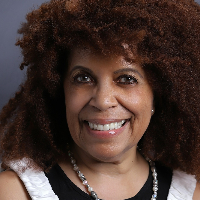
Tennessee · 15 yrs exp
LCSW - Trauma and relationship focus
Stress, Anxiety · Relationship · Family · Self esteem · +9 more
Read profile
Tennessee · 5 yrs exp
LPC-MHSP - Trauma and relationship focus
Stress, Anxiety · Relationship · Trauma and abuse · Depression
Read profile
Tennessee · 10 yrs exp
Licensed counselor - Anxiety and trauma
Stress, Anxiety · Trauma and abuse · Self esteem · Depression · +1 more
Read profile
Tennessee · 16 yrs exp
LPC in Tennessee - trauma and relationship concerns
Stress, Anxiety · Grief · Anger · Self esteem · +6 more
Read profile
Tennessee · 14 yrs exp
Licensed Professional Counselor - Trauma and mood concerns
Stress, Anxiety · Addictions · Trauma and abuse · Self esteem · +12 more
Read profile
Tennessee · 4 yrs exp
LPC in Tennessee - Trauma and addictions
Addictions · Trauma and abuse · Self esteem · Depression · +16 more
Read profile
Tennessee · 15 yrs exp
Licensed Clinical Social Worker - Trauma and family concerns
Stress, Anxiety · Parenting · Anger · Self esteem · +12 more
Read profile
Tennessee · 9 yrs exp
Licensed Clinical Social Worker - Trauma and abuse
Stress, Anxiety · Family · Trauma and abuse · Parenting · +8 more
Read profile
Tennessee · 8 yrs exp
LCSW - Trauma and relationship concerns
Stress, Anxiety · Addictions · Anger · LGBT · +4 more
Read profile
Tennessee · 8 yrs exp
Licensed counselor - Trauma and mood concerns
Stress, Anxiety · Trauma and abuse · Grief · Self esteem · +10 more
Read profile
Tennessee · 8 yrs exp
LPC and LMHC - Relationships and trauma
Relationship · Family · Trauma and abuse · Self esteem · +4 more
Read profile
Tennessee · 19 yrs exp
LCSW - Relationships and Trauma
Relationship · Trauma and abuse · ADHD · Stress, Anxiety · +13 more
Read profile
Tennessee · 16 yrs exp
LMFT - Stress and trauma focused
Stress, Anxiety · Relationship · Family · Trauma and abuse · +1 more
Read profile
Tennessee · 11 yrs exp
LCSW - Trauma and related concerns
Stress, Anxiety · Anger · Depression · Relationship · +5 more
Read profile
Tennessee · 7 yrs exp
LMFT - Relationships and Trauma
Relationship · Grief · Intimacy-related issues · Parenting · +9 more
Read profile
Tennessee · 10 yrs exp
Licensed Professional Counselor - Trauma and relationships
Stress, Anxiety · Relationship · Family · Self esteem · +10 more
Read profile
Tennessee · 21 yrs exp
Tennessee LCSW - Trauma and mood concerns
Stress, Anxiety · Self esteem · Depression · Coping with life changes · +6 more
Read profile
Tennessee · 28 yrs exp
Tennessee LPC-MHSP - Trauma and anxiety care
Stress, Anxiety · Trauma and abuse · Self esteem · Depression · +1 more
Read profileWhen you are looking for help after abuse, violence, an accident, or another upsetting event, it helps to be clear about what you want from care. You may be focused on processing a single event, reducing distressing symptoms, rebuilding trust, or learning coping strategies for triggers that come up in daily life. You should move at your own pace and set boundaries for what you discuss in each meeting. The language used in profiles can give signals about emphasis - for example, whether a clinician lists work with survivors of intimate partner violence, first responders, or people recovering from accidents - but a listed topic is not evidence of specialized certification or a promise that the clinician treats every population. A listed topic is also not evidence that a clinician treats children, couples, or families; you should discuss your specific needs directly with any clinician whose profile interests you.
If you are in immediate danger call 911. If you are thinking about harming yourself, call 988 for the U.S. These resources can help while you identify ongoing support.
The fact that profiles are grouped under the listed location Tennessee does not guarantee a physical office, proximity, or eligibility to work with you where you live. Profiles may reflect a clinician's stated base or a region they serve, but you should check the individual profile and confirm permission to work together where you live before making any plans. When you review credentials, distinguish academic degrees from practice permissions. Degrees such as PhD, PsyD, MD, MA, and MSW describe educational attainment. They do not by themselves establish current permission to practice. Licenses and registrations - for example those that indicate practice authorization in a state - are separate from degrees. When possible, note the license type listed on a profile and verify that it is active and valid for Tennessee, or for remote care into Tennessee if you are considering online sessions. A profile listing a degree and a license gives you more context than a degree alone, but the most reliable step is to confirm licensure and permission to work together where you live directly with the clinician.
Before you reach out, prepare concrete questions that help you compare how clinicians describe their work. Ask whether the clinician lists trauma related to intimate partner violence, childhood abuse, medical trauma, or accidents among their focus areas, and if so, how they typically support people with similar histories. Ask clinicians whether they list certain approaches among their methods - for example, therapists who list EMDR among their approaches, or those who list trauma-focused CBT - and request an explanation of how those approaches might be used in sessions. Phrase questions so they are about the clinician's experience rather than implying certification: for example, "Can you describe the kinds of trauma-related issues you list most often in your profiles and how you work with them?" or "What does working with survivors of this type of trauma typically look like in your practice?".
Also ask about the populations a clinician lists. A profile that mentions trauma does not automatically mean the clinician treats adolescents, older adults, couples, or families, so ask whether you fall into the clinician's usual scope. If language is important to you, confirm the languages the clinician lists and whether interpretation supports are used. These questions give you a foundation for choosing who to contact and help you decide whether a particular profile is worth exploring further.
If you are considering online or remote care, have a focused conversation about permissions and logistics before beginning. Confirm that the clinician has permission to offer care to people located in Tennessee at the time you plan to meet. Ask how the clinician handles tech interruptions and what to do if a connection drops during a session. Discuss what a typical session covers and what you can expect in terms of communication between meetings. It is appropriate to ask about policies for cancellations and boundaries around messaging so you know how contact is managed outside scheduled sessions. You should also make a basic plan for emergencies that does not rely on the clinician to provide immediate crisis intervention - identify local emergency numbers and supports near you, and if you feel imminent danger call 911; if you are in the U.S. and thinking of harming yourself call 988.
Ask about documentation and how records are stored if that is important to you, and confirm any state-specific requirements for remote work. If you need accommodations for hearing, vision, or other access needs, discuss those in advance so sessions can be practical for you. These conversations help you set expectations and choose a clinician whose style and procedures match your needs.
When comparing profiles, pay attention to how clinicians describe their focus areas and the examples they give. Some profiles emphasize work with survivors of specific forms of violence, while others refer more broadly to trauma from accidents or loss. Consider asking yourself concrete comparison questions as you read: Does the clinician list experience with the type of trauma that matters to you? Do they list languages you speak? Does the profile describe a clinical orientation or approaches you want to explore, such as therapists who list EMDR among their approaches or those who mention trauma-focused cognitive behavioral strategies? Observe whether the profile mentions populations served, and if it does not, plan to ask the clinician directly.
Style matters as much as credentials. Some clinicians describe their style as collaborative, others as skills-based, and some emphasize longer-term reflective work. Think about which descriptions feel most comfortable and write down a few questions that bring that style into focus. You can ask how the clinician helps clients set goals, how progress is measured in their view, and how pacing is negotiated. Remember that profiles are starting points: the clearest information comes from a direct conversation where you can ask about experience, licensure, language fluency, and how the clinician will confirm permission to practice with you in Tennessee.
Taking time to compare profiles by focus, language, credentials, and personal fit can make the process less overwhelming. Move at a pace that feels right for you, be direct about what you need, and check each profile carefully before reaching out. If at any point you feel unsafe or in immediate danger call 911; if you are thinking of harming yourself call 988 for help in the United States.
Addictions
1581 therapists
ADHD
1412 therapists
Anger
2045 therapists
Bipolar
1201 therapists
Control Issues
1017 therapists
Depression
3301 therapists
Grief
1847 therapists
Guilt and Shame
1913 therapists
Intimacy Issues
1359 therapists
Isolation / Loneliness
1594 therapists
Panic Disorder and Panic Attacks
1023 therapists
Post-Traumatic Stress
1738 therapists
Self Esteem
3152 therapists
Social Anxiety and Phobia
1541 therapists
Stress & Anxiety
3670 therapists
Abandonment
1005 therapists
Attachment Issues
1161 therapists
Blended Family Issues
852 therapists
Career
1614 therapists
Caregiver Issues and Stress
1170 therapists
Coaching
873 therapists
Codependency
1016 therapists
Communication Problems
2221 therapists
Compassion Fatigue
1461 therapists
Coping with Life Changes
2662 therapists
Divorce
1202 therapists
Family
2379 therapists
Family of Origin Issues
881 therapists
Forgiveness
1652 therapists
Life Purpose
1908 therapists
Parenting
1949 therapists
Relationship
2845 therapists
Self-Love
2076 therapists
Workplace Issues
1076 therapists
This directory is not a crisis line or an emergency service. These lines are free and open day and night.