
Sonia Gallegos
LCSWArizona · 6 yrs exp
Licensed Clinical Social Worker - Trauma and mood concerns
Stress, Anxiety · Anger · Self esteem · Bipolar · +14 more
Read profileTherapist listings come from BetterHelp. If you sign up through our links, we will earn a commission at no extra cost to you.
This page groups profiles under the listed location Arizona so you can compare therapists who list trauma and abuse among their specialties. Use the listings to compare focus areas, approaches, academic degrees, professional credentials and languages, then browse profiles to read details and confirm a therapist's permission to work with you where you live.
Arizona · 6 yrs exp
Licensed Clinical Social Worker - Trauma and mood concerns
Stress, Anxiety · Anger · Self esteem · Bipolar · +14 more
Read profile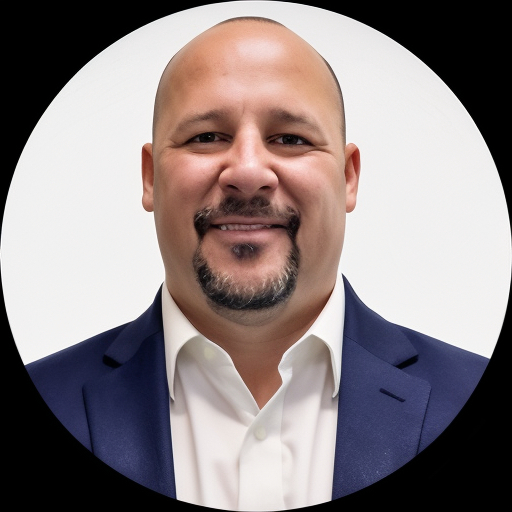
Arizona · 10 yrs exp
LPC counselor - trauma and relationships
Addictions · Relationship · Trauma and abuse · Self esteem · +1 more
Read profile
Arizona · 13 yrs exp
LPC - Trauma and addiction focused
Stress, Anxiety · Addictions · Self esteem · Depression · +15 more
Read profile
Arizona · 9 yrs exp
LCSW - Trauma and stress support
Stress, Anxiety · Family · Trauma and abuse · Depression · +1 more
Read profile
Arizona · 10 yrs exp
Arizona psychologist - Trauma and life changes
Stress, Anxiety · Self esteem · Career · Coping with life changes · +14 more
Read profile
Arizona · 8 yrs exp
Arizona LPC - Trauma and relationship concerns
Addictions · LGBT · Trauma and abuse · Grief · +12 more
Read profile
Arizona · 21 yrs exp
LPC - Trauma and relationship concerns
Stress, Anxiety · Addictions · Relationship · Family · +10 more
Read profile
Arizona · 6 yrs exp
Licensed Professional Counselor - Trauma and relationships
Stress, Anxiety · Relationship · Family · Self esteem · +11 more
Read profile
Arizona · 24 yrs exp
Licensed Clinical Social Worker - Trauma and Abuse
Stress, Anxiety · Addictions · Grief · Self esteem · +6 more
Read profile
Arizona · 10 yrs exp
Licensed Professional Counselor - Trauma and related concerns
Stress, Anxiety · Addictions · Trauma and abuse · Anger · +12 more
Read profile
Arizona · 4 yrs exp
LCSW - Trauma and relationship concerns
Stress, Anxiety · Relationship · Trauma and abuse · Depression · +1 more
Read profile
Arizona · 18 yrs exp
Licensed Professional Counselor - Trauma and anxiety
Stress, Anxiety · Trauma and abuse · Anger · Self esteem · +1 more
Read profile
Arizona · 9 yrs exp
LCSW - Stress and trauma support
Stress, Anxiety · Trauma and abuse · Parenting · Depression · +1 more
Read profile
Arizona · 15 yrs exp
LCSW - Stress and Trauma care
Stress, Anxiety · Relationship · Trauma and abuse · Self esteem · +1 more
Read profile
Arizona · 17 yrs exp
Licensed Clinical Social Worker - Trauma and anxiety focus
Stress, Anxiety · Trauma and abuse · Coping with life changes
Read profile
Arizona · 20 yrs exp
Arizona LPC - Stress and Trauma
Stress, Anxiety · Trauma and abuse · Grief · Self esteem · +1 more
Read profile
Arizona · 6 yrs exp
LPC in Arizona - Trauma and mood concerns
Stress, Anxiety · Relationship · Trauma and abuse · Self esteem · +1 more
Read profile
Arizona · 25 yrs exp
LCSW - Stress and trauma support
Stress, Anxiety · Family · Trauma and abuse · Parenting · +1 more
Read profile
Arizona · 4 yrs exp
Licensed Professional Counselor - Trauma and anxiety
Stress, Anxiety · Relationship · Trauma and abuse · Self esteem · +1 more
Read profile
Arizona · 32 yrs exp
LCSW - Relationships and Trauma
Relationship · Trauma and abuse · Anger · Self esteem
Read profile
Arizona · 10 yrs exp
LPC counselor - Trauma and addiction support
Stress, Anxiety · Addictions · Relationship · Anger · +12 more
Read profile
Arizona · 3 yrs exp
LPC in Arizona - Trauma and mood concerns
Stress, Anxiety · Anger · Depression · Addictions · +4 more
Read profile
Arizona · 14 yrs exp
Licensed Marriage and Family Therapist - Trauma and relationships
Stress, Anxiety · Family · Grief · Intimacy-related issues · +11 more
Read profile
Arizona · 30 yrs exp
LCSW - Anxiety and Trauma-focused care
Stress, Anxiety · Grief · Coping with life changes · Compassion fatigue · +8 more
Read profileAfter experiences such as abuse, violence, accidents or other traumatic events, you may find everyday life feels different in ways that are hard to predict. You might notice changes in sleep, mood, concentration, trust in others, or how you cope with reminders of the event. These reactions vary widely from person to person, and they do not require graphic description to be real and impactful. When you review profiles, look for clinicians who explicitly list the types of trauma or aftermath you are coping with so you can discuss whether their experience aligns with your needs. If you are feeling overwhelmed right now or are in immediate danger, call 911. If you are in the United States and are experiencing a suicide or mental health crisis, call or text 988 for support. These resources can help you get immediate assistance while you consider longer-term care options.
This directory groups profiles under the listed location Arizona, but that grouping is not evidence of an office, physical proximity, eligibility for every resident, or an active license in that location. When you view a profile, check the profile details and contact the clinician directly to confirm whether they are permitted to work with you where you live. Academic degrees such as PhD, PsyD, MD, MA or MSW indicate formal education but do not by themselves confirm current permission to practice. Licenses, registrations or state authorizations are separate from academic degrees. It is important to verify the license type and the state or jurisdiction in which the clinician is authorized to provide care. Some profiles will list professional credentials or license titles; you should confirm the currency and geographic scope of any license before proceeding. If you plan to connect across state lines or move during care, ask the clinician about their ability to legally provide services in your location.
When you first reach out, prepare specific questions that help you compare clinical focus and therapeutic style. Ask whether the clinician has experience working with the particular aftermath you are facing, and ask them to describe the kinds of clients or situations they most commonly address. Inquire which approaches they list on their profile and what that means in practice for your sessions - for example, some therapists list EMDR among their approaches while others list trauma-focused cognitive behavioral work; a listing does not by itself indicate certification or specific training. Ask about the clinician's experience with issues that matter to you such as grief, safety after abuse, or recovery from medical trauma. You might also ask about the populations they work with - whether they typically work with adults, adolescents, older adults, or specific communities - because a listed topic does not establish that a therapist treats children, couples, or families. These comparisons will help you assess fit rather than assume suitability from a short description.
If you are considering remote work, discuss logistical and legal matters upfront so you understand how care would be delivered and whether it is appropriate for your needs. Ask the clinician whether they are authorized to provide care to people located in Arizona or in your specific city or county at the time you would meet. Clarify how communication will occur, what platforms or technologies they use, and what to do if technical issues interrupt a session. Talk about how they handle records and documentation and what consent paperwork you will be asked to complete. It is reasonable to ask how clinicians approach situations that require urgent help - remember to use 911 if you are in immediate danger, and 988 for a mental health or suicide crisis in the U.S. Discuss boundaries and expectations around scheduling, cancellations and the general scope of practice so you know how the clinician frames the work. These practical conversations do not replace an initial assessment, but they will help you decide whether to proceed with an extended conversation about treatment goals.
When comparing profiles, look closely at the language used to describe focus areas and the clinician's stated approach. Focus areas might include abuse, intimate partner violence, childhood trauma, medical trauma or other aftermaths; read the descriptions to see whether they mention the issues you want to address. Pay attention to languages listed if you prefer to work in a language other than English, and ask about how language needs are handled when you contact the clinician. Compare academic degrees and license statements carefully - a PhD or MD identifies education, while license names and jurisdictions indicate permission to practice; ask for clarification if anything is unclear. Consider therapeutic style as well - some clinicians describe a more directive approach while others emphasize a collaborative, paced process - and ask them to describe how they typically structure early sessions. If a profile lists particular approaches, such as EMDR or trauma-focused CBT, remember to phrase inquiries as questions about how that approach is used rather than assuming specific training. Finally, when you find a profile that feels like a potential match, reach out to confirm the clinician's permission to work with you in Arizona, discuss any accessibility or cultural needs, and plan an initial conversation to explore whether their focus and style align with your goals.
Across all steps, take your time and go at a pace that feels manageable. Use profiles to narrow your options, verify credentials and jurisdiction directly with the clinician, and ask concrete questions about experience, approach and logistics. If you are in immediate danger, call 911. If you are in the United States and facing a suicide or severe mental health crisis, call or text 988 for help right away. This directory can help you find clinicians who list trauma and abuse among their specialties, but always confirm permissions and fit before beginning care.
Addictions
1581 therapists
ADHD
1412 therapists
Anger
2045 therapists
Bipolar
1201 therapists
Control Issues
1017 therapists
Depression
3301 therapists
Grief
1847 therapists
Guilt and Shame
1913 therapists
Intimacy Issues
1359 therapists
Isolation / Loneliness
1594 therapists
Panic Disorder and Panic Attacks
1023 therapists
Post-Traumatic Stress
1738 therapists
Self Esteem
3152 therapists
Social Anxiety and Phobia
1541 therapists
Stress & Anxiety
3670 therapists
Abandonment
1005 therapists
Attachment Issues
1161 therapists
Blended Family Issues
852 therapists
Career
1614 therapists
Caregiver Issues and Stress
1170 therapists
Coaching
873 therapists
Codependency
1016 therapists
Communication Problems
2221 therapists
Compassion Fatigue
1461 therapists
Coping with Life Changes
2662 therapists
Divorce
1202 therapists
Family
2379 therapists
Family of Origin Issues
881 therapists
Forgiveness
1652 therapists
Life Purpose
1908 therapists
Parenting
1949 therapists
Relationship
2845 therapists
Self-Love
2076 therapists
Workplace Issues
1076 therapists
This directory is not a crisis line or an emergency service. These lines are free and open day and night.