
Deborah Whalen
LCSW-R, LCSWNew Mexico · 25 yrs exp
Licensed Clinical Social Worker - Trauma and family concerns
Family · Trauma and abuse · Intimacy-related issues · Eating · +1 more
Read profileTherapist listings come from BetterHelp. If you sign up through our links, we will earn a commission at no extra cost to you.
Compare therapists who list Panic Disorder and Panic Attacks alongside trauma and abuse on their profiles. Browse profiles to review focus areas, therapeutic approaches, credentials, languages, and the listed location before contacting a clinician.
New Mexico · 25 yrs exp
Licensed Clinical Social Worker - Trauma and family concerns
Family · Trauma and abuse · Intimacy-related issues · Eating · +1 more
Read profile
Oklahoma · 10 yrs exp
Licensed Professional Counselor - Trauma and relationships
Stress, Anxiety · Relationship · Family · Trauma and abuse · +1 more
Read profile
Georgia · 3 yrs exp
Licensed Professional Counselor - Anxiety and Maternal Mental Health
Stress, Anxiety · Anger · Self esteem · Depression · +10 more
Read profile
North Carolina · 4 yrs exp
LCSW - Trauma and anxiety support
Stress, Anxiety · Trauma and abuse · Anger · Self esteem · +1 more
Read profile
Missouri · 27 yrs exp
Licensed Professional Counselor - Trauma and anxiety
Stress, Anxiety · Grief · Self esteem · Depression · +15 more
Read profile
Florida · 3 yrs exp
LCSW - Trauma and relationship support
Stress, Anxiety · Relationship · Trauma and abuse · Self esteem · +1 more
Read profile
Indiana · 7 yrs exp
LMHC - Stress and trauma support
Stress, Anxiety · Relationship · Trauma and abuse · Self esteem · +1 more
Read profile
Florida · 30 yrs exp
Dr. Douglass Lobo, LMHC - Trauma and family concerns
Stress, Anxiety · Family · Trauma and abuse · Parenting · +14 more
Read profile
Ohio · 16 yrs exp
Ohio LISW - Trauma and abuse, grief support
Stress, Anxiety · Grief · Self esteem · Depression · +10 more
Read profile
Iowa · 3 yrs exp
LISW - Trauma and anxiety focused
Stress, Anxiety · LGBT · Trauma and abuse · Parenting · +1 more
Read profile
Texas · 18 yrs exp
LPC in Texas - Trauma and addiction focus
Stress, Anxiety · Addictions · LGBT · Relationship · +14 more
Read profile
Louisiana · 30 yrs exp
LCSW - Trauma and mood concerns
Family · Grief · Anger · Self esteem · +11 more
Read profile
New York · 4 yrs exp
Licensed Mental Health Counselor - Trauma and Anxiety
Stress, Anxiety · Trauma and abuse · Self esteem · Career · +1 more
Read profile
South Dakota · 12 yrs exp
Clinical social worker - Trauma and addictions
Addictions · Trauma and abuse · Anger · Depression · +8 more
Read profile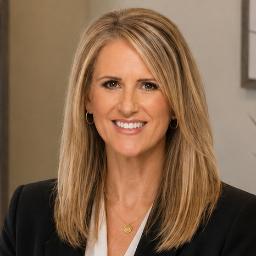
Texas · 13 yrs exp
Licensed Professional Counselor - Trauma and relationships
Stress, Anxiety · Relationship · Trauma and abuse · Depression · +1 more
Read profile
Texas · 9 yrs exp
Licensed Clinical Social Worker - Trauma and Addictions
Addictions · Trauma and abuse · Grief · Self esteem · +11 more
Read profile
Louisiana · 10 yrs exp
Licensed Professional Counselor - Trauma and Anxiety
Stress, Anxiety · Addictions · Trauma and abuse · Self esteem · +1 more
Read profile
Alabama · 14 yrs exp
LICSW - Family and trauma support
Family · Trauma and abuse · Intimacy-related issues · Parenting · +1 more
Read profile
Arizona · 9 yrs exp
LCSW - Trauma and stress support
Stress, Anxiety · Family · Trauma and abuse · Depression · +1 more
Read profile
Pennsylvania · 40 yrs exp
Pennsylvania psychologist - Trauma and anxiety care
Stress, Anxiety · Relationship · Trauma and abuse · Depression · +1 more
Read profile
Texas · 14 yrs exp
Licensed Professional Counselor - Trauma and abuse
Stress, Anxiety · Anger · Depression · ADHD · +7 more
Read profile
Oklahoma · 37 yrs exp
Licensed counselor - Trauma and mood concerns
Stress, Anxiety · Anger · Self esteem · Depression · +14 more
Read profile
Missouri · 16 yrs exp
Licensed Professional Counselor - Trauma and relationship concerns
Stress, Anxiety · Relationship · Family · Trauma and abuse · +9 more
Read profile
Colorado · 5 yrs exp
LCSW - Relationships and Trauma
Stress, Anxiety · Relationship · Family · Trauma and abuse · +10 more
Read profileIf you experience sudden episodes of intense fear, racing heart, shortness of breath, or a sense of losing control, you are not alone in seeking answers. Panic attacks and panic disorder can feel disruptive and frightening, and many people want practical information about how clinicians work with these symptoms. When you begin looking at profiles, remember that descriptions on a profile are starting points - they tell you what a therapist lists as a focus but not the details of how they work with each person. You may want to think about what matters most to you in counseling: do you prefer a clinician who emphasizes symptom management techniques, one who explores how panic connects with past stressful events, or someone who integrates both approaches?
It can help to write down what you notice about your panic episodes before you compare profiles. Note common triggers or patterns, how long episodes last, and what you already find helpful. This will give you clear topics to raise during an initial conversation and will make it easier to evaluate whether a therapist’s described focus aligns with your needs. Go at your own pace as you take these steps; moving forward with care for your wellbeing is an important part of the process.
Panic attacks and panic disorder can occur in many contexts, and they do not always stem from past trauma. For some people, panic symptoms emerge after experiences of abuse, violence, accidents, or other traumatic events. For others, they develop independently or alongside chronic stress, health concerns, or life transitions. On this site you will find therapists who list trauma and abuse among their specialties as well as Panic Disorder and Panic Attacks as a focus area. That listing signals interest or experience in tending to both areas, but it does not establish a causal link between them for any individual.
When a therapist’s profile lists both trauma and panic-related work, you can ask how they approach the relationship between stressful events and panic symptoms. Some clinicians may describe working with grounding and breathing techniques first, while others may explore the emotional and physiological patterns that followed a traumatic event. Remember, a listed specialty is not evidence of training in a specific trauma modality; instead it indicates a clinician’s reported areas of focus. If you have experienced abuse, assault, or other trauma, reading profiles and preparing questions in advance can help you communicate boundaries, pacing preferences, and topics you are or are not ready to address in therapy.
When you review profiles, have a set of concrete questions to guide your assessment. Ask how a clinician typically describes their approach to panic symptoms and whether they tailor interventions to individual needs. You might inquire whether they include skills for managing acute anxiety, such as breathing strategies and cognitive techniques, and how they support longer-term work on fear and avoidance. A useful question is how they adapt their approach when episodes are linked with memories of abuse or other traumatic experiences, emphasizing that you want to go at your own pace.
Also ask about experience with various therapeutic approaches as options to discuss, phrased neutrally. For example, you can say: "Do you work with exposure-based strategies, cognitive approaches, relaxation skills, or therapists who list EMDR among their approaches?" This phrasing acknowledges that a therapist may list certain approaches without implying certification. Request clarification about how they measure progress and how frequently they revisit goals. Be mindful that a degree title such as PhD, PsyD, MD, MA, or MSW indicates academic training but does not by itself confirm current license or permission to practice in your state. Ask directly about licensure and whether they are authorized to provide care in your listed location.
If you are considering remote sessions, clarify practical and clinical details before beginning. Confirm the clinician’s permission to work with you from their listed location and whether they hold an appropriate license for the state or territory where you are located. Discuss what communication channels they use for scheduling or brief check-ins, how they handle technical difficulties, and how they prefer to set session boundaries such as session length and cancellation policies. These are practical matters that help you make an informed choice and reduce unexpected stress.
It is also important to discuss crisis procedures in advance, not as a substitute for emergency services. If you are thinking about harming yourself or someone else, call 988; if you are in immediate danger, call 911. Ask how the clinician will respond when you report severe symptoms outside session hours and whether they coordinate with local responders if needed. This is not a request for a therapist to act as an emergency responder, but a way for you to understand how serious situations will be handled and what additional local resources you can rely on.
Comparing profiles effectively means looking beyond a single line of text and thinking about what matters to you in the therapeutic relationship. Read how a clinician describes their focus areas and the language they use to talk about panic and trauma. Some profiles will list clinical approaches, while others emphasize client-centered language or trauma-informed values. If having a clinician who speaks your preferred language is important, check the listed language section on a profile and consider asking how they conduct therapy when language differences are present. Profiles that include a listed location can also help you confirm whether a clinician is authorized to work where you are.
Pay attention to credentials and remember to distinguish academic degrees from licenses. A PhD or PsyD indicates doctoral training, an MD denotes a medical degree, and an MA or MSW reflects graduate-level preparation, but a license such as a state-issued clinical license is what permits independent practice. You should ask a clinician to confirm current licensure and permission to practice in the jurisdiction where you live. Finally, consider style and practical fit - do you prefer a clinician who emphasizes skill-building and short-term strategies, or someone who focuses on exploring life history and meaning? Profiles offer clues, but a brief introductory conversation can clarify whether a clinician’s style aligns with your needs.
Take your time and prioritize your comfort. Profiles are tools to help you narrow options, compare clinician focus areas and approaches, and prepare specific questions about credentials, licensure, and how a therapist works with panic and trauma-related concerns. Go at your own pace, and remember to verify that any clinician you contact has permission to work with you in your listed location. If you are in crisis, call 988; if you are in immediate danger, call 911. Use profiles to gather information and to find a clinician whose approach and communication style feel like a match for your needs.
Alabama
64 therapists
Alaska
10 therapists
Arizona
57 therapists
Arkansas
26 therapists
California
352 therapists
Colorado
102 therapists
Connecticut
42 therapists
Delaware
13 therapists
District of Columbia
11 therapists
Florida
421 therapists
Georgia
132 therapists
Hawaii
14 therapists
Idaho
23 therapists
Illinois
158 therapists
Indiana
55 therapists
Iowa
12 therapists
Kansas
25 therapists
Kentucky
56 therapists
Louisiana
77 therapists
Maine
23 therapists
Maryland
70 therapists
Massachusetts
60 therapists
Michigan
130 therapists
Minnesota
48 therapists
Mississippi
42 therapists
Missouri
94 therapists
Montana
23 therapists
Nebraska
16 therapists
Nevada
28 therapists
New Hampshire
13 therapists
New Jersey
82 therapists
New Mexico
29 therapists
New York
218 therapists
North Carolina
159 therapists
North Dakota
5 therapists
Ohio
109 therapists
Oklahoma
73 therapists
Oregon
30 therapists
Pennsylvania
140 therapists
Rhode Island
8 therapists
South Carolina
78 therapists
South Dakota
10 therapists
Tennessee
76 therapists
Texas
441 therapists
Utah
26 therapists
Vermont
10 therapists
Virginia
83 therapists
Washington
58 therapists
West Virginia
8 therapists
Wisconsin
69 therapists
Wyoming
4 therapists
This directory is not a crisis line or an emergency service. These lines are free and open day and night.