- CBT
- DBT skills
- Mindfulness
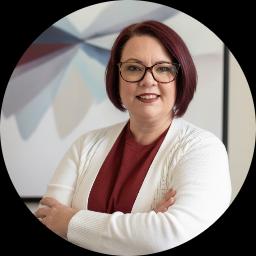
About Amanda
Amanda uses a mix of approaches to match what each person needs. She draws on Cognitive Behavioral Therapy (CBT) to look at thoughts and actions, Acceptance and Commitment Therapy (ACT) to clarify values and goals, and elements of Dialectical Behavior Therapy (DBT) for emotion regulation and distress tolerance. Mindfulness techniques and Motivational Interviewing are part of her sessions when they fit the situation.
Her work often focuses on building coping skills and breaking unhelpful patterns. Sessions can include skills practice, short behavioral experiments, and guided reflection on relationships and choices. She also brings experience supporting people through grief and loss, including grief-informed strategies to help with practical coping.
Amanda has worked across settings for more than a decade, including group programs and intensive outpatient work that use DBT skills training. That experience informs how she structures sessions and helps people use small steps to reduce crisis moments and improve daily functioning.
People who choose Amanda typically want clear techniques and steady guidance. She asks practical questions, helps set achievable goals, and works with each person to track progress over time.
Areas of expertise
Primary focus
Also works with
Additional focus areas
Therapeutic approaches
Experience
15+ years
Credentials
Florida, Georgia
Languages
English
License and NPI
- LMHC, Florida
- No. MH20864
- LPC, Georgia
- No. LPC016331
- NPI
- 1073852828
As listed on the therapist's profile; we have not checked them. A license can be checked with the state board, and an NPI in the national registry.
Therapeutic approaches and working online
Amanda commonly uses Cognitive Behavioral Therapy and Dialectical Behavior Therapy as part of her work. CBT focuses on identifying and changing unhelpful thoughts and behaviors, which can reduce anxiety and depressive patterns. DBT emphasizes skills for emotion regulation, distress tolerance, and interpersonal effectiveness, which can be helpful for managing intense emotions and relationship conflict.She also uses Acceptance and Commitment Therapy ideas alongside those methods to help people clarify values and take small actions that align with what matters to them. Deciding which approach to use is collaborative; the therapist and client choose methods based on the person’s goals, concerns, and how they respond in early sessions.
Confirm the exact online session formats before booking since they are not listed here. When available, online sessions can make it easier to fit therapy into a busy life - for example, a shorter check-in during a break, not needing to travel, or choosing a phone option when video would be difficult. The emphasis is on finding practical ways to use therapy in everyday routines rather than on a single fixed model.
Frequently asked questions
What kinds of problems does she address?
She supports people dealing with stress, anxiety, depression, grief, bipolar concerns, addictions, trauma and abuse, relationship and parenting issues, and self-esteem struggles.
How would you describe her therapeutic style?
Her style blends skills training with talk therapy. Sessions focus on practical tools, behavior change, and learning to manage intense emotions.
How much clinical experience does she have?
She has 15 years of experience working in outpatient and group settings, including time running DBT skills training and intensive outpatient programs.
What are her credentials and where is she based?
She holds LMHC and LPC credentials and practices in Florida.
Does she offer sessions in other languages or to international clients?
Sessions are offered in English and she is not accepting international clients.
What session formats does she provide?
Please confirm current session options before booking as formats are not specified here.
How are fees handled?
Cost varies with location and sessions use a subscription that can be canceled at any time.
How do I begin working with her?
Select the See online therapy options button, complete the short matching questionnaire, and schedule a first session.