- Client-centered approach
- Cognitive behavioral therapy
- Mindfulness methods
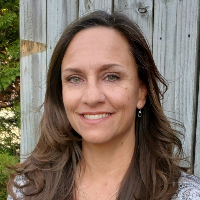
About Nickole
She has provided care in residential addiction treatment settings, in prison, and with individuals online. Those experiences shaped how she helps people reduce self-harm, substance use, and other self-defeating behaviors. Sessions aim to teach practical coping skills and build more satisfying routines and relationships.
Nickole trained for her MS in Clinical Mental Health Counseling after completing a BA in Psychology. She lived and worked in several states and now practices with clients located in Florida. Her professional background includes work across different levels of care and populations with complex needs.
Her approach is client-centered, meaning she starts by listening and offering unconditional positive regard. She pairs that orientation with other methods such as cognitive behavioral techniques, mindfulness, motivational interviewing, and emotionally-focused work when those fit a person’s goals.
In sessions she focuses on increasing self-understanding and reducing harsh self-judgment. She aims to help people recognize patterns like impulsivity, avoidance, or codependency and learn alternatives that feel manageable. Outside of work she reads, makes things, organizes, and spends time with family having light moments.
Areas of expertise
Primary focus
Also works with
Additional focus areas
Therapeutic approaches
Experience
9+ years
Credentials
Florida
Languages
English
License and NPI
- LMHC, Florida
- No. MH18325
- NPI
- 1639770423
As listed on the therapist's profile; we have not checked them. A license can be checked with the state board, and an NPI in the national registry.
How therapeutic approaches translate to online sessions
Client-centered therapy starts with listening and reflecting. Online sessions using this approach focus on understanding a person's experience and responding without judgment, which helps when sorting out what to work on first.Cognitive Behavioral Therapy (CBT) breaks problems into thoughts, feelings, and actions. In online work CBT tools are used to identify unhelpful thinking patterns and try specific behavior changes, useful for anxiety, depression, and some trauma-related symptoms.
Mindfulness therapy teaches simple attention and breathing practices to reduce reactivity. These short exercises can be practiced between sessions and discussed during online meetings to track what helps.
Finding the right method is a shared process. The therapist will discuss goals, preferences, and the challenges a person brings, then suggest approaches to try. Adjustments are made over time based on what feels helpful and practical.
Confirm the exact session formats before booking since current options are not specified here. Online sessions can make it easier to fit appointments into a busy week, allow shorter check-ins when needed, and remove travel time so therapy is simpler to attend. Talk with the therapist about how to structure sessions to match work, family, and daily routines.
Frequently asked questions
What concerns does she address most often?
She works with stress, anxiety, depression, addiction, trauma and abuse, and related issues like codependency and low self-esteem.
What is her general therapeutic style?
She uses a client-centered orientation and adds techniques such as CBT, mindfulness, EFT, and motivational interviewing to match a person's needs.
How long has she been practicing?
She has nine years of experience working in residential addiction treatment, prison settings, and with individuals online.
What credential does she hold and where is she based?
She is a Florida LMHC and works with clients located in Florida.
Which languages are supported?
Sessions are offered in English.
Does she work with international clients?
International clients are not currently accepted.
How are sessions priced?
Cost varies with location and sessions use a subscription that can be canceled at any time.
How do I begin working with her?
Click the See online therapy options button, complete a short matching questionnaire, and schedule a first session.