- Trauma and abuse
- Addictions support
- CBT and DBT
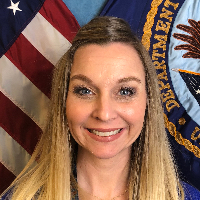
About Nicole
She has experience from military and civilian settings, including work in multiple states. That background shaped how she approaches problems like post-traumatic stress, substance use, caregiver strain, and adjustment after big life changes. She also addresses concerns such as grief, intimacy issues, sleep problems, and career stress.
Nicole uses a mix of practical methods in sessions. She draws on Cognitive Behavioral Therapy (CBT) to look at thinking patterns and Dialectical Behavior Therapy (DBT) skills to help manage strong emotions. She also uses Acceptance and Commitment Therapy (ACT) and attachment-based ideas to focus on values and relationship patterns.
In sessions she emphasizes building a reliable working relationship first. That involves setting goals together and checking progress along the way. Conversations are straightforward and focused on tools people can try between meetings.
Nicole’s practice also pays attention to family of origin issues, domestic violence, and co-occurring difficulties like mood disorders and substance use. She supports people dealing with identity and relationship questions, including LGBT and gender dysphoria concerns. If someone wants to begin, she asks them to complete a short matching questionnaire and schedule an initial session.
Areas of expertise
Primary focus
Also works with
Additional focus areas
Therapeutic approaches
Experience
13+ years
Credentials
North Carolina
Languages
English
License and NPI
- LCSW, North Carolina
- No. C007548
- NPI
- 1710203583
As listed on the therapist's profile; we have not checked them. A license can be checked with the state board, and an NPI in the national registry.
How her approaches translate to online work
Acceptance and Commitment Therapy (ACT) helps people notice what matters to them and take steps toward those values even when thoughts or feelings are hard. It is useful for anxiety, low mood, and situations that call for clearer priorities. Cognitive Behavioral Therapy (CBT) focuses on the links between thoughts, feelings, and actions and gives concrete exercises to change unhelpful patterns. It is often used for anxiety, depression, and sleep problems. Dialectical Behavior Therapy (DBT) emphasizes emotion regulation, distress tolerance, and interpersonal effectiveness skills that can be practiced between sessions.Choosing an approach is part of the work together. The therapist will discuss goals, try methods, and adjust based on what fits the person's needs and preferences. This is a collaborative process rather than a fixed prescription.
Session formats are not listed in the biography, so confirm current session options before booking. Online work can make it easier to fit therapy into a daily routine, reduce travel time, and allow shorter or more focused check-ins when needed. Therapists can guide clients through at-home practice, skills coaching, and paced exposure or processing exercises that fit into everyday life.
Frequently asked questions
What kinds of concerns does she help with?
She works with stress, anxiety, addictions, trauma and abuse, depression, grief, relationship and intimacy issues, sleep problems, caregiver strain, and related concerns.
What is her therapeutic style?
She uses practical, skills-focused approaches including Cognitive Behavioral Therapy and Dialectical Behavior Therapy, plus ACT and attachment-based ideas to address values and relationships.
How much experience does she have?
She has 13 years of clinical experience, including work in multiple states and roles tied to military and civilian settings.
What are her credentials and where is she based?
She is a Licensed Clinical Social Worker (LCSW) licensed in North Carolina and practices from that state.
Which languages are sessions offered in?
Sessions are offered in English.
Can people outside the U.S. work with her?
She accepts international clients; confirm any regional licensing questions before booking.
How are fees and payments handled?
Cost varies with location. Sessions use a subscription that can be canceled at any time.
What do I do to begin?
Select the See online therapy options button, complete a short matching questionnaire, and schedule a first session.