- Psychodynamic therapy
- Cognitive Behavioral Therapy
- Client-Centered care
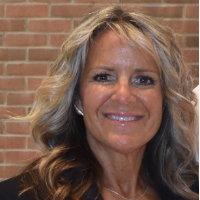
About Patricia
She trained at Fordham University, earning a Bachelor of Science and a Master of Social Work. Early in her career she worked in a community mental health clinic and later led clinical supervision there. Patricia then moved into independent practice and has worked with individuals and young adults on a wide range of life problems.
Patricia’s approach is grounded in psychodynamic therapy, focusing on how past experiences influence current feelings and relationships. She also draws on Client-Centered methods to keep the work focused on each person’s goals. Cognitive Behavioral Therapy and Dialectical Behavior Therapy techniques are used when they fit the goals and challenges brought into sessions.
In practical terms she helps people identify what they want to change and then offers tools to support that change. Sessions include talking through relationship patterns, practicing new communication skills, and learning coping strategies for anxiety, mood, and stress. Patricia will also address practical problems like changes at work, parenting strains, and caregiving stress.
She offers therapy in English and Spanish. Prospective clients should confirm current session formats and booking steps before scheduling a first appointment.
Areas of expertise
Primary focus
Also works with
Additional focus areas
Therapeutic approaches
Experience
25+ years
Credentials
New York
Languages
English, Spanish
License and NPI
- LCSW, New York
- No. 075444
- NPI
- 1548335789
As listed on the therapist's profile; we have not checked them. A license can be checked with the state board, and an NPI in the national registry.
How her approaches translate to online work
Patricia uses psychodynamic ideas to look at how past relationships shape current reactions, which can help with recurring relationship patterns and long-standing anxiety. She also draws on Cognitive Behavioral Therapy (CBT) to identify unhelpful thoughts and test new behaviors, which is useful for managing anxiety, depression, and stress. Dialectical Behavior Therapy (DBT) skills may be introduced to teach emotion regulation and distress tolerance for urgent stress and strong emotions.Deciding which approach to use is a collaborative process. Patricia will talk with each person about goals and preferences, and together they choose methods that fit those aims. That process can include trying different techniques and adjusting the plan as progress is reviewed.
Session formats are not specified in the biography, so please confirm current options before booking. Many people find online appointments help fit therapy into a busy life because they can reduce travel time, make it easier to schedule short check-ins around work, or avoid the need to be on camera when bandwidth is limited. Patricia will discuss practical arrangements when you schedule your first session to plan what works best for you.
Frequently asked questions
What concerns does she commonly address?
She works with stress, anxiety, depression, relationship and intimacy issues, trauma and abuse, grief, eating and body image concerns, addictions, ADHD, and related problems.
What is her general therapeutic style?
Her practice is rooted in psychodynamic therapy and emphasizes building a trusting working relationship while using other methods to meet specific goals.
How much clinical experience does she have?
She has 25 years of experience as a psychotherapist, including early work in a community mental health clinic and later independent practice.
What credential does she hold and where does she practice?
She is a Licensed Clinical Social Worker (LCSW) licensed in New York and practices in the New York area.
In which languages can sessions be held?
Sessions are offered in English and Spanish.
Does she work with clients outside the United States?
She does not accept international clients at this time.
How are sessions priced?
Cost varies with location and sessions use a subscription that can be canceled at any time; confirm pricing when you arrange your first meeting.
How do I begin working with her?
Select the See online therapy options button, complete the short matching questionnaire, and schedule a first session.