- Client-Centered Therapy
- Cognitive Behavioral Therapy
- Mindfulness Therapy
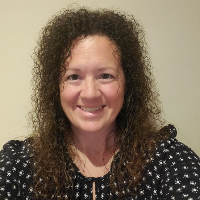
About Rachel
She adapts methods to the person and their goals. Rachel uses Client-Centered Therapy and Cognitive Behavioral Therapy, and also draws on Mindfulness Therapy, Motivational Interviewing, and Narrative Therapy. Treatment goals are set together so sessions stay focused and practical.
In sessions she encourages people to look at the patterns that keep problems going. Conversations aim to identify unhelpful thoughts and behaviors, and to test new ways of responding. She also offers tools for managing strong feelings and reducing everyday stress.
Rachel has worked in a variety of settings over two decades. That experience includes supporting people with substance use challenges, eating and body image concerns, relationship conflict, attachment and abandonment issues, blended family stresses, and fertility or parenting strains. She brings that background into planning workable next steps.
Her approach is collaborative and goal oriented. People who meet with Rachel can expect to set clear objectives and practice strategies between sessions. She asks clients to name what they want to change and then focuses therapy on achieving those goals.
Areas of expertise
Primary focus
Also works with
Additional focus areas
Therapeutic approaches
Experience
22+ years
Credentials
Rhode Island
Languages
English
License and NPI
- LMHC, Rhode Island
- No. MHC00525
- NPI
- 1376721753
As listed on the therapist's profile; we have not checked them. A license can be checked with the state board, and an NPI in the national registry.
How her approaches translate to online work
Client-Centered Therapy focuses on listening and reflecting what a person says so they can clarify their goals and plan next steps; it helps when someone needs a steady, respectful space to talk through problems. Cognitive Behavioral Therapy (CBT) looks at the links between thoughts, feelings, and behaviors and introduces practical exercises to change unhelpful patterns; it is commonly used for anxiety, depression, and stress. Mindfulness Therapy teaches simple attention and breathing skills to reduce reactivity and improve emotional regulation, which can help with anger, cravings, and everyday stress.Choosing the right approach is part of the work together. The therapist will discuss options, try techniques, and adjust plans based on the client’s needs and goals. This is a collaborative process that tests what feels useful and keeps what works.
The therapist's biography does not list specific session formats, so confirm current online options before booking. Online therapy can make scheduling easier and help fit sessions into work or family routines. It also allows shorter check-ins when needed and can remove travel time, which helps people keep momentum between sessions.
Frequently asked questions
What kinds of problems does she help with most often?
She works with stress, anxiety, depression, addictions, relationship and parenting issues, trauma and abuse, grief, and self-esteem concerns among other challenges.
What is her general therapy style?
Her style is collaborative and goal focused. She uses conversational sessions to identify patterns and try practical strategies.
How much clinical experience does she have?
She has 22 years of clinical experience working in varied settings with individuals and people facing relationship and behavioral challenges.
What credential does she hold and where is she based?
She is an LMHC, licensed in Rhode Island, and practices from that state.
Are sessions offered in other languages or to international clients?
Sessions are offered in English only and she is not accepting international clients.
What session formats are available?
The original biography does not specify session formats; confirm current session options before booking.
How does pricing work for sessions?
Cost varies by location and sessions use a subscription that can be canceled at any time.
How do I begin working with her?
Select the See online therapy options button, complete a short matching questionnaire, and schedule a first session.